

Are high temperatures reshaping the display design of retail stores?
Are Hot Summers Forcing a Rethink of Retail Display Design and In-Store Comfort?
Consumer flow shifting. We see it in store layouts, not marketing reports. The rise of retail display design, store fixture manufacturer, custom display fixtures, retail display solutions, and display shelving reflects a quiet but clear change: comfort now drives purchasing time, not just product pricing.
Short sentence.
Then the store tells the story.
European heatwaves are not only pushing electricity demand higher, they are reshaping how long people stay inside retail environments. When indoor temperature control becomes a deciding factor, shoppers behave differently. We have seen it in field visits: customers slow down near cooler zones, avoid congested aisles, and move toward open spaces where airflow is better. That shift directly affects retail display design decisions.
Why does this matter?
Because dwell time is now a design input, not a byproduct.
We have worked with retail teams across different regions, and one pattern repeats. Stores that ignore comfort lose engagement at peak summer hours. According to the European Environment Agency climate adaptation report 2025, rising heat frequency in Southern and Central Europe is increasing indoor cooling demand in commercial spaces (https://www.eea.europa.eu/). At the same time, retail footfall data from Eurostat retail trade analysis shows sharper in-store timing concentration during cooler hours of the day (https://ec.europa.eu/eurostat).
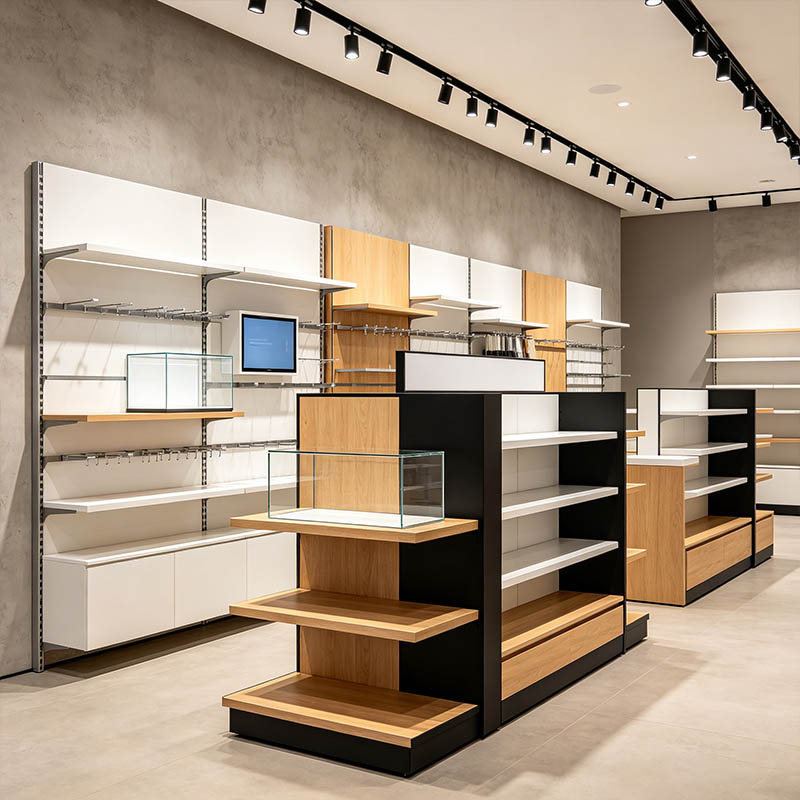
Store Layouts Are Being Rewritten by Heat and Movement
Traditional aisle-heavy layouts are under pressure.
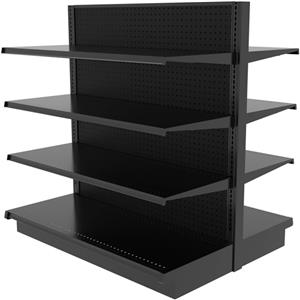
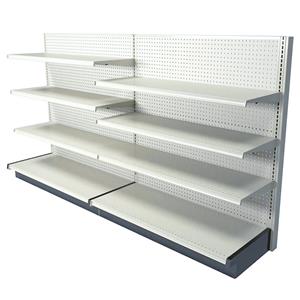
Retailers are rethinking display shelving because tight corridors trap heat and slow movement. Narrow aisles create congestion, and congestion reduces dwell time when temperatures rise. We’ve seen stores gradually remove tall blocking structures and replace them with lower, open frames.
A store fixture manufacturer today is no longer only producing structural support. It is designing airflow-friendly geometry that allows air circulation while keeping product visibility intact.
And yes, this sounds simple. It is not.
Because every centimeter of shelf height now competes with thermal comfort and customer flow.
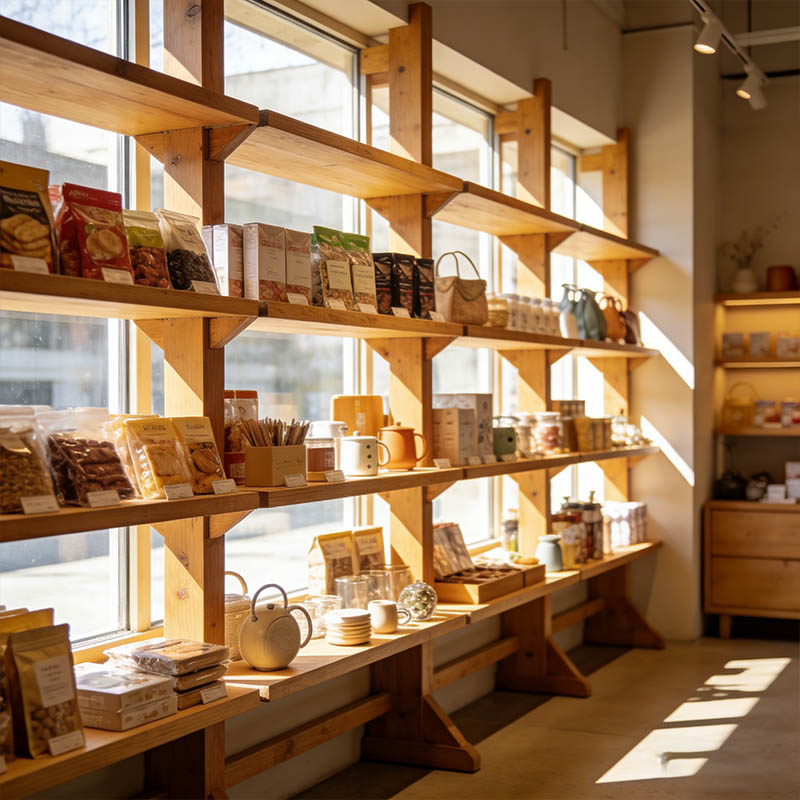
Open Fixtures Are Replacing Closed Visual Barriers
Something subtle is happening in retail engineering.
Closed-end gondolas are slowly giving way to open-frame custom display fixtures. These structures reduce visual weight in the store and improve navigation during peak traffic hours.
We often hear buyers say the same thing: “The store feels heavy in summer.” That is not a metaphor. It is spatial friction caused by dense fixture placement combined with heat stress.
According to a U.S. Department of Energy commercial building study, interior layout density can influence cooling efficiency by up to 12–18% depending on airflow design (https://www.energy.gov/). That means fixture placement is now part of energy logic, not just merchandising.
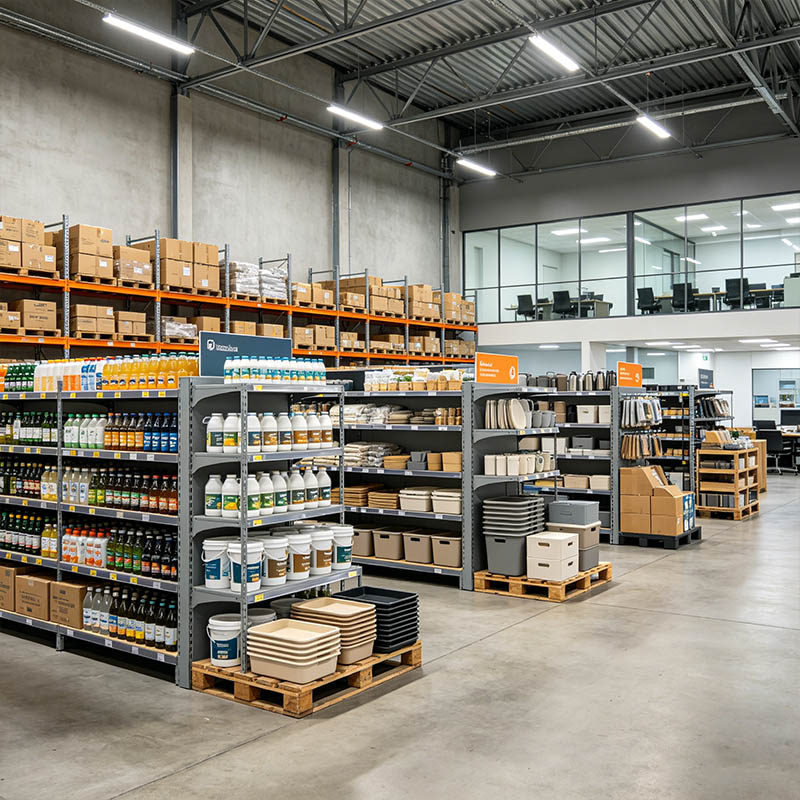
Retail Display Solutions Must Balance Comfort and Density
Retailers are walking a tight line.
They need more product exposure, but less visual congestion. That is where retail display solutions evolve into modular systems that can expand or contract based on seasonal traffic.
| Store Condition | Display Strategy | Fixture Behavior |
|---|---|---|
| High heat days | Open retail display design | Airflow priority |
| Normal traffic | Balanced shelving | Mixed density |
| Peak promotion | Compact zones | High SKU stacking |
| Cooling zones | Display shelving | Low obstruction |
We see this shift daily in project requests. Buyers no longer ask only about capacity. They ask how the fixture behaves under temperature stress and crowd concentration.
Data Behind Comfort-Driven Retail Design
Consumer behavior studies are catching up to what store operators already feel.
The National Retail Federation 2025 consumer behavior outlook reports that in-store dwell time decreases during extreme weather conditions, especially in non-essential shopping categories (https://nrf.com). Meanwhile, Copernicus Climate Change Service confirms repeated European summer anomalies, with multiple regions exceeding long-term temperature baselines since 2023 (https://climate.copernicus.eu/).
We interpret this simply: comfort is now a conversion factor.
If customers leave early, even strong product placement fails.
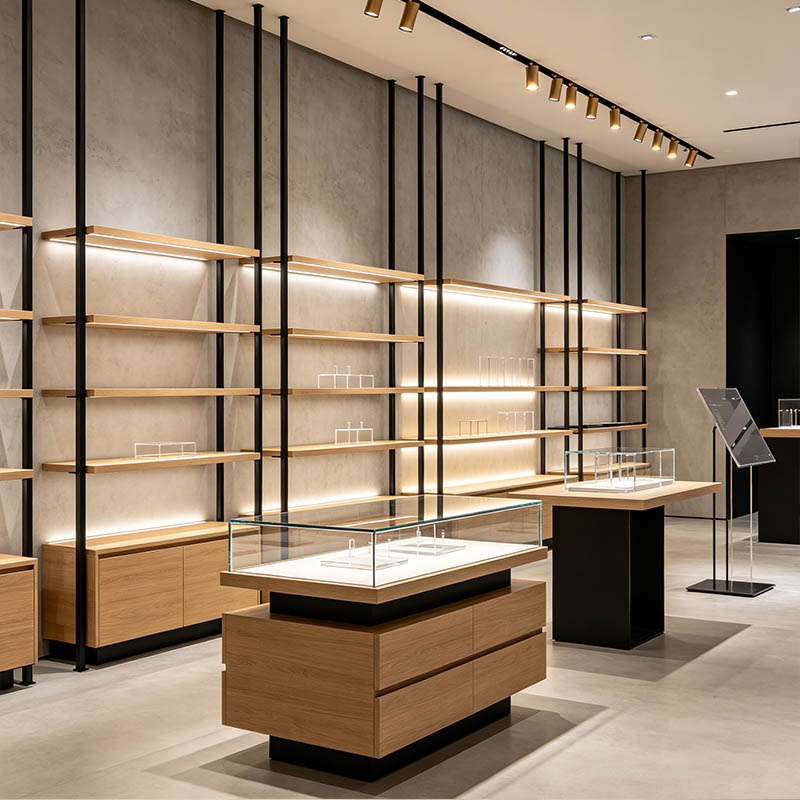
Why Fixture Manufacturers Are Changing Engineering Logic
We have had to rethink production lines.
A modern store fixture manufacturer is no longer focused only on load-bearing capacity. Now we design for thermal response, airflow resistance, and spatial openness.
This affects welding structure, shelf spacing, and even packaging geometry. A single custom display fixtures project often includes multiple layout versions for different store heat zones.
Some retailers even test fixtures in simulated high-temperature environments before rollout. That was rare five years ago. Now it is becoming standard practice.
FAQ
What is retail display design in modern stores?
Retail display design is the structured planning of store layout, shelving systems, and product placement to optimize customer movement, visibility, and comfort. It now includes airflow management, spacing logic, and heat-adaptive layout strategies for better in-store experience.
Why are display shelving systems changing in hot climates?
Display shelving systems are changing because high temperatures affect customer movement and dwell time. Dense shelving can trap heat and create congestion, so retailers are shifting toward open and flexible designs that improve airflow and navigation.
What does a store fixture manufacturer do today?
A store fixture manufacturer now develops modular, airflow-aware, and flexible retail structures. These systems support seasonal changes, improve store comfort, and allow retailers to adjust layouts quickly based on customer flow and environmental conditions.
How do retail display solutions improve customer experience?
Retail display solutions improve customer experience by optimizing product visibility while reducing congestion. Better spacing and layout design help shoppers move more comfortably, especially during high-temperature periods when in-store behavior becomes more sensitive.
Why are custom display fixtures important for modern retail?
Custom display fixtures are important because each store has different space, traffic, and temperature conditions. Customization allows retailers to adapt shelving height, openness, and structure to improve both comfort and sales performance.
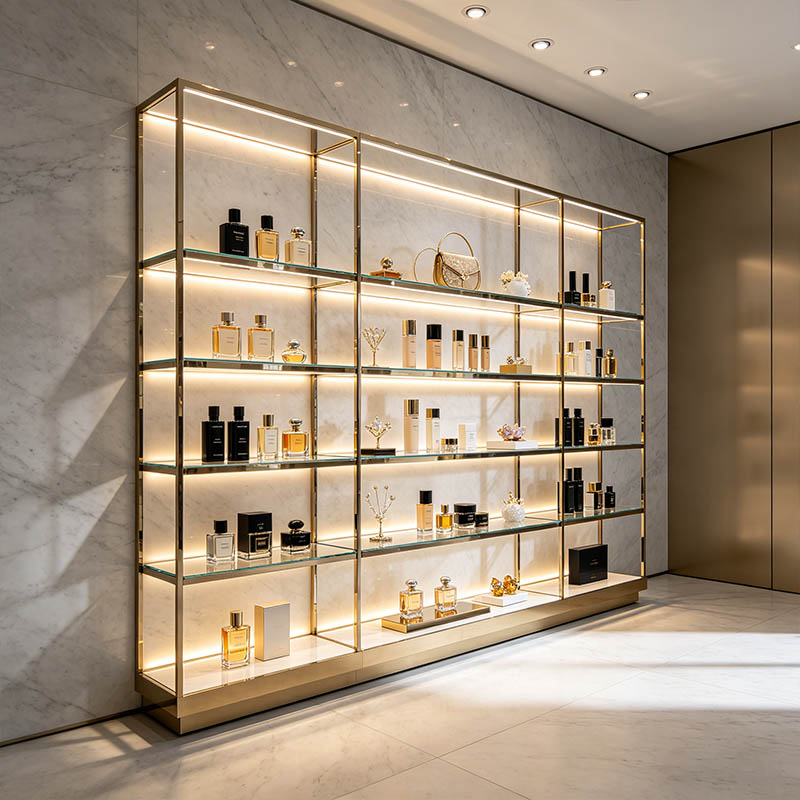
Build Retail Displays Designed for Real Store Conditions
Heat is quietly rewriting retail logic.
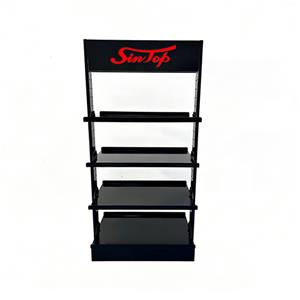
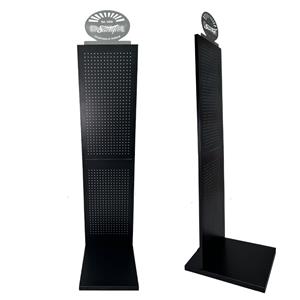
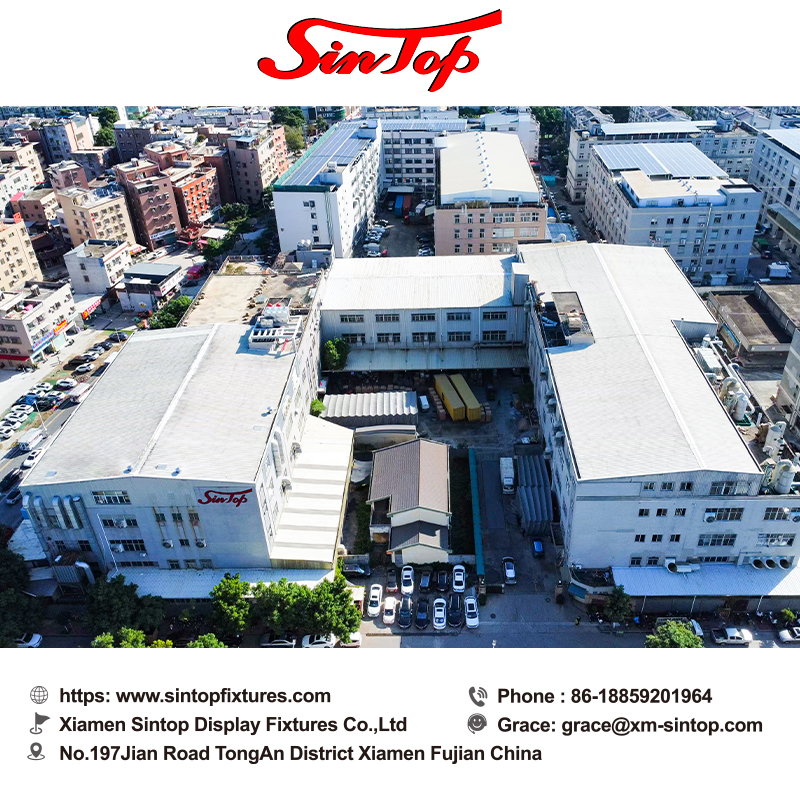
At Xiamen Sintop Display Fixtures Co., Ltd., we build next-generation retail display design, store fixture manufacturer, custom display fixtures, retail display solutions, and display shelving systems designed for real store conditions, not laboratory assumptions.
Sintop Value
At Xiamen Sintop Display Fixtures Co., Ltd., we believe successful retail environments must respond to real customer behavior. As an experienced store fixture manufacturer, we design retail display design solutions, custom display fixtures, retail display solutions, and display shelving systems that support flexible layouts, efficient product presentation, and improved in-store experiences.
Our engineering team focuses on creating fixtures that combine durability, functionality, and adaptability. From open-frame structures to modular shelving systems, Sintop helps global retailers build stores that are ready for changing consumer expectations, seasonal challenges, and future retail trends.

Contact information
Website: www.sintopfixtures.com
Wechat/WhatsApp: +86 15980885084
Email: elly@xm-sintop.com
FAQ
1. What types of display racks can Sintop provide?
We offer a wide range of custom retail display racks, including metal display racks, wooden display stands, Gondola shelving, grid panels, and mixed-material solutions, tailored to your store layout and brand identity.
2. Can I order a single unit or prototype?
Yes, no minimum order is required. We can produce prototypes or single units as well as large-volume orders.
3. How long does it take to receive an order?
New items: 3–5 weeks for tooling and production.
Reorders: 2–4 weeks depending on product type.
We are flexible and strive to meet your required delivery dates.
4. Can Sintop handle OEM or ODM projects?
Yes, we specialize in OEM and ODM solutions, turning your ideas or drawings into custom, high-quality display racks.
5. How does Sintop ensure quality?
Every display rack undergoes material inspection, welding and structural checks, surface finish testing, and final assembly inspection to ensure durability, safety, and visual appeal.