

Common Display Shelf Mistakes Retailers Should Avoid
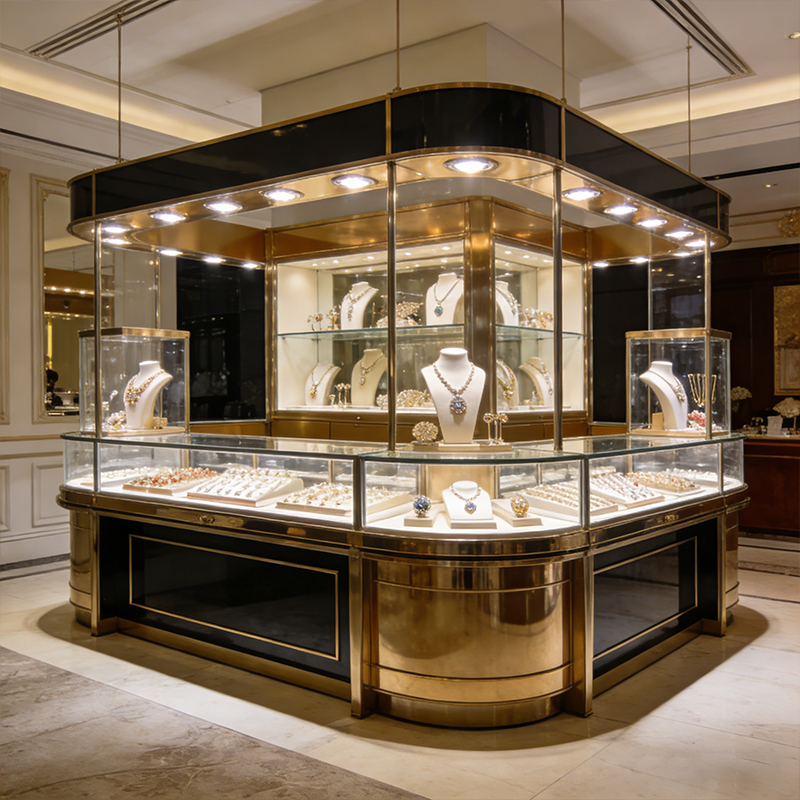
In the retail industry, choosing the right retail display fixtures is essential for effective store display design. Many intermediaries, when working with display rack suppliers, often overlook key factors, leading to poor display results or unnecessary costs. From the perspective of an experienced display fixture professional, this article analyzes common display rack selection mistakes and offers practical commercial display solutions. Whether it’s a custom display rack manufacturer, countertop jewelry display cases, jewelry display cases wholesale, foldable jewelry display case, or bracelet display case, these are all products that retailers and intermediaries frequently focus on during procurement.
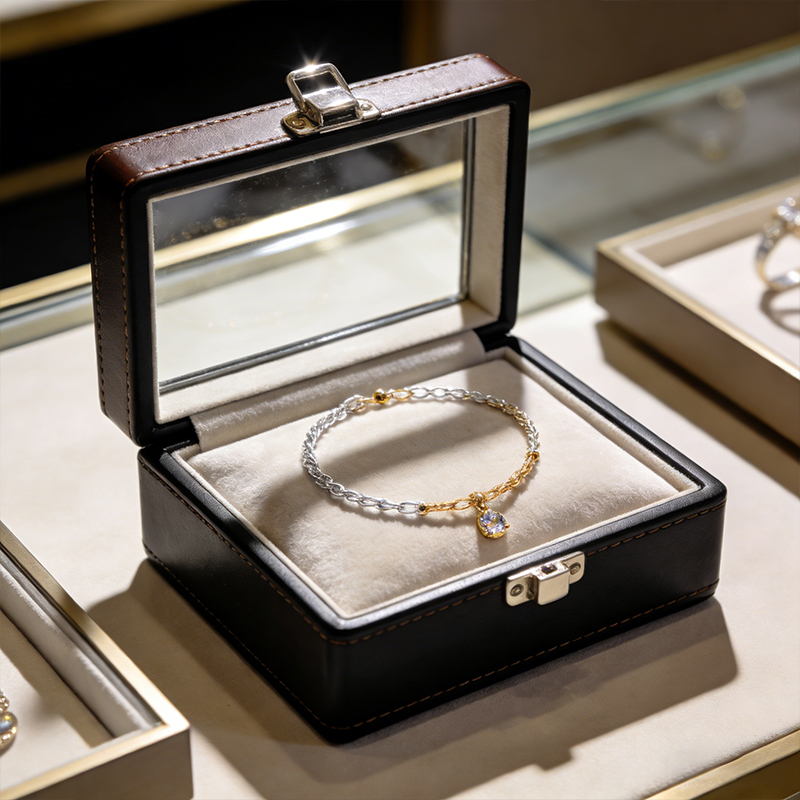
Material Selection Mistakes
Many retailers focus only on appearance when selecting retail display fixtures, ignoring the importance of material. Different materials vary in load capacity, durability, and transport adaptability. For example, metal racks are long-lasting but heavy, while wooden racks look premium but may warp in humid conditions. For intermediaries, understanding the material standards of a custom display rack manufacturer and inspection process is crucial. Choosing the right material for store display design ensures both visual appeal and cost efficiency.
Inspection and Quality Control Challenges
Many intermediaries rely solely on manufacturer-provided samples without arranging on-site inspections. As a result, issues such as size deviations, weak welds, or poor surface finishes are discovered only upon delivery. Countertop jewelry display cases and bracelet display cases, in particular, involve delicate craftsmanship, requiring careful inspection of glass, hinges, and locks. Establishing a detailed inspection checklist ensures jewelry display cases wholesale or foldable jewelry display cases meet quality standards before shipment, reducing risk.
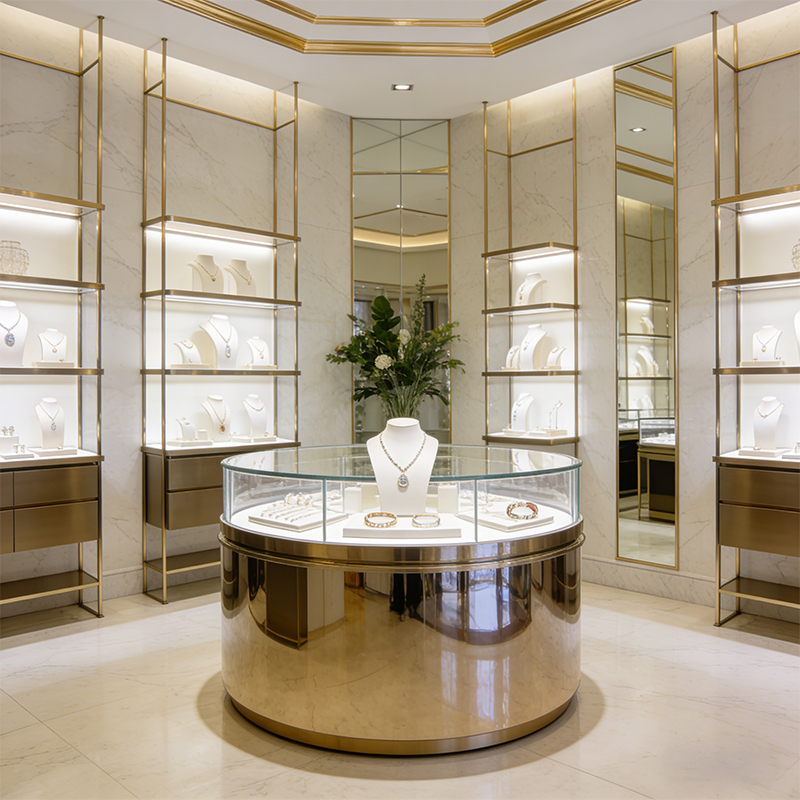
Logistics and Shipping Considerations
Display racks are often bulky and irregularly shaped, making them prone to damage during transport. Intermediaries should consider packaging methods and shipping capabilities, not just price. Foldable jewelry display cases and countertop jewelry display cases, due to their collapsible or lightweight design, can reduce shipping costs, but sturdy packaging is still necessary. Working with experienced display rack suppliers allows intermediaries to coordinate shipping methods and insurance in advance, ensuring smooth delivery of commercial display solutions.
Challenges in Working with Chinese Suppliers
Many overseas intermediaries face communication and time zone challenges when sourcing from a custom display rack manufacturer in China. Language barriers or information gaps can result in errors in custom details. Preparing detailed design plans and dimension sheets, and confirming each step via email or video calls, is essential. For jewelry display cases wholesale or bracelet display cases, confirming packaging and shipping timelines in advance helps minimize mistakes and delays.
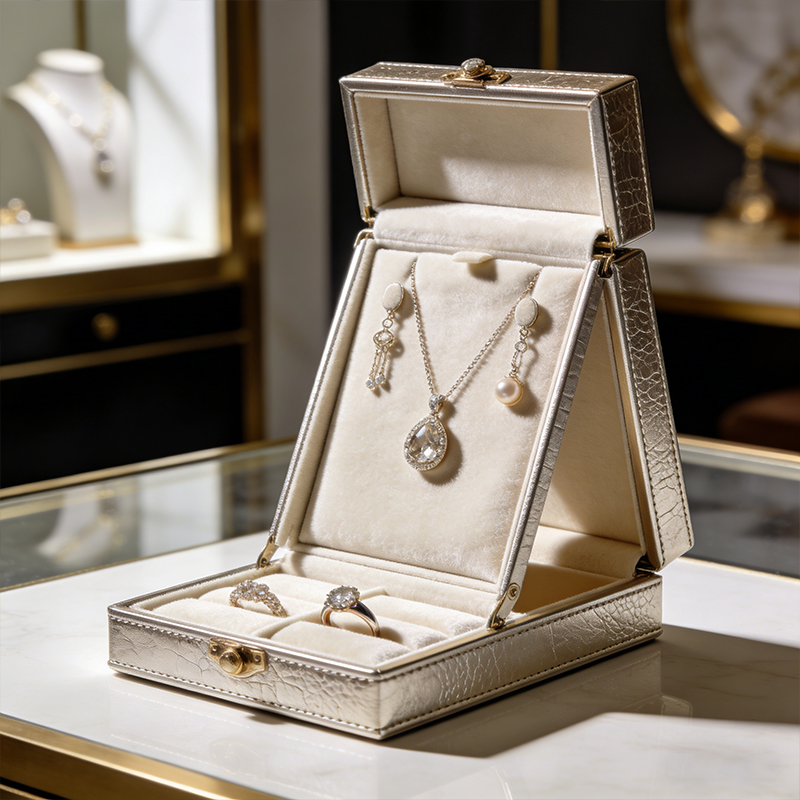
Summary of Display Rack Selection Mistakes
Common mistakes retailers make when selecting display racks include focusing solely on appearance, neglecting inspection and logistics, and failing to communicate requirements clearly with suppliers. Intermediaries should pay attention to the production capability of a custom display rack manufacturer, the durability of foldable jewelry display cases, the safety of countertop jewelry display cases, the presentation effect of bracelet display cases, and the batch consistency of jewelry display cases wholesale. Proper store display design and effective commercial display solutions can enhance both sales and brand image.
FAQ
Q1: How do I choose the right material?
A: Select metal, wood, or acrylic based on the weight of the items and store environment. A custom display rack manufacturer can provide material comparison guidance.
Q2: What should I pay attention to during inspection?
A: Focus on dimensions, weld quality, glass, and locks. Countertop jewelry display cases and bracelet display cases require careful checking.
Q3: How can I reduce the risk of shipping damage?
A: Choose foldable or lightweight designs like foldable jewelry display cases and use professional packaging recommended by the supplier.
Q4: How can I coordinate effectively with Chinese suppliers?
A: Prepare detailed design plans, dimension sheets, and packaging requirements, and confirm each step via email or video call to avoid misunderstandings.
Q5: What are the key points intermediaries should focus on?
A: Display rack selection mistakes include material choice, inspection, logistics, and supplier communication. Working with a reliable custom display rack manufacturer can reduce risks.
Sintop Value
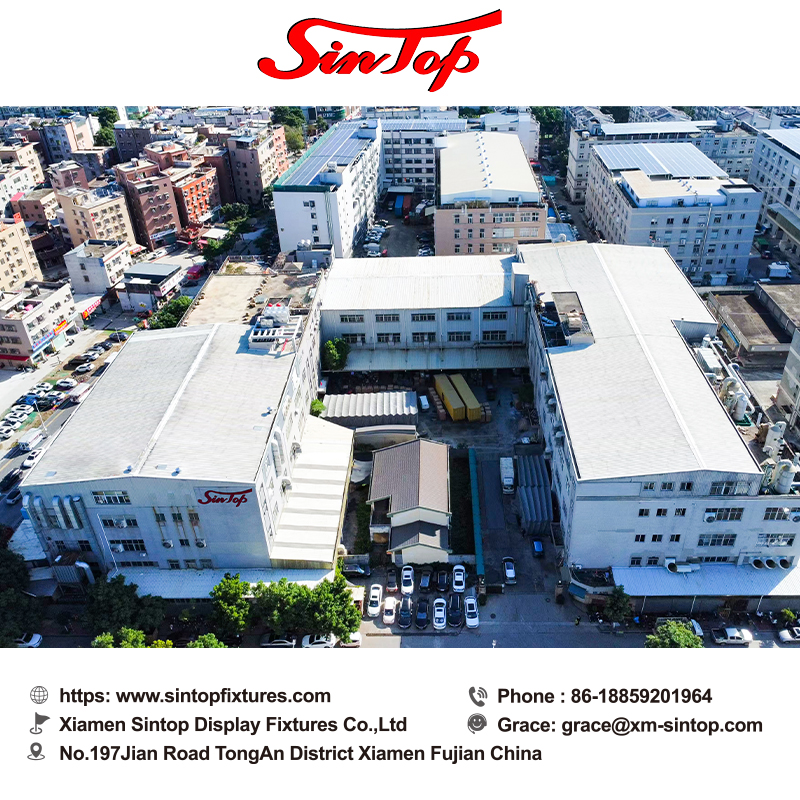
At Sintop, we understand that display shelves are not just visual tools—they are long-term operational assets. Many retailers underestimate how material standards, inspection discipline, and logistics planning impact performance.
As a professional custom display rack manufacturer, Sintop supports intermediaries by clarifying material specifications, conducting structured inspections, and designing export-ready packaging. Whether supplying countertop jewelry display cases, foldable jewelry display cases, or large-scale jewelry display cases wholesale, we focus on batch consistency, durability, and safe transportation.
By integrating store display design with practical commercial display solutions, Sintop helps intermediaries reduce risk, control costs, and deliver display systems that perform reliably in real retail environments.

Contact information
Website: www.sintopfixtures.com
Wechat/WhatsApp: +86 15980885084
Email: elly@xm-sintop.com
FAQ
1. What are store fixtures?
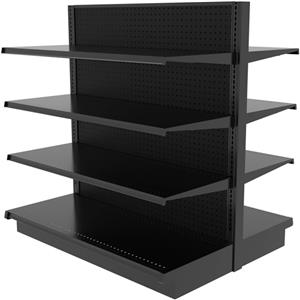
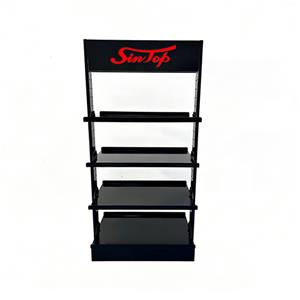
Store fixtures are essential equipment and furniture used in retail spaces to display, organize, and store merchandise. Examples include shelving units, racks, display cases, counters, and hooks.
2. Why are store fixtures important?
Store fixtures enhance the shopping experience by organizing products, improving accessibility, maximizing space, and creating appealing displays that attract customers and boost sales.
3. What types of store fixtures are commonly used?
Common types of store fixtures include:
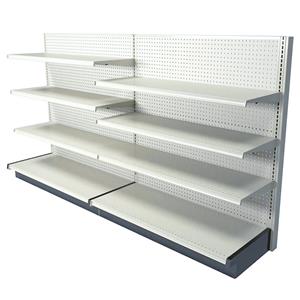
Shelving Units(wall shelves, free-standing shelves, adjustable shelving)
Display Cases (glass cases, countertop cases)
Racks (clothing racks, display racks)
Counters (checkout counters, service counters)
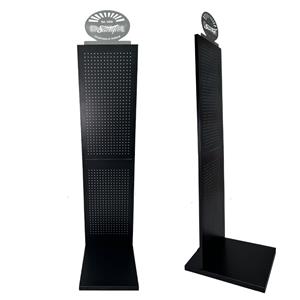
Hooks and Pegboards
End Caps
Signage and Graphics
Mannequins
4. How do I choose the right store fixtures for my retail space?
Consider your merchandise type, store layout, and branding needs. Fixtures should be functional, complement your store's design, and fit within your budget. Evaluate your space to determine the best fixture types and configurations for optimal product presentation and customer flow.
5. Can store fixtures be customized?
Yes, many store fixtures can be customized to align with your store's branding and specific needs. Customization options include materials, colors, sizes, and designs. Collaborating with a fixture supplier or designer can help create fixtures that match your store’s style and functional requirements.
6. How can I maximize space with store fixtures?
Utilize fixtures that optimize vertical space, such as wall-mounted shelves and tall display racks. Modular and adjustable fixtures can adapt to changing merchandise or store layouts. Plan your store layout carefully to ensure efficient use of space and smooth customer flow.
7. How do I maintain store fixtures?
Regularly clean and inspect fixtures to ensure they remain in good condition. Check for wear and tear, and repair or replace damaged parts. Follow manufacturer guidelines for maintenance and cleaning to extend the lifespan of your fixtures.
8. Can store fixtures be used for different types of retail stores?
Yes, store fixtures can be adapted for various retail environments, including clothing stores, electronics shops, grocery stores, and more. The choice of fixtures depends on the specific needs and merchandise of the store.
9. How can store fixtures improve the customer experience?
Well-designed fixtures make products easy to find and browse, enhancing the overall shopping experience. Effective use of fixtures creates an organized, aesthetically pleasing environment that encourages customers to spend more time in the store.
10. Where can I purchase store fixtures?
Store fixtures can be purchased from specialized fixture suppliers, retail equipment stores, or custom fixture manufacturers. Online retailers and local suppliers also offer a wide range of options.