

How Can Retail Stores Transition to "Experiential Consumption"?
Brick-and-mortar stores emphasize a transition toward "experiential consumption."
Short shift summary.
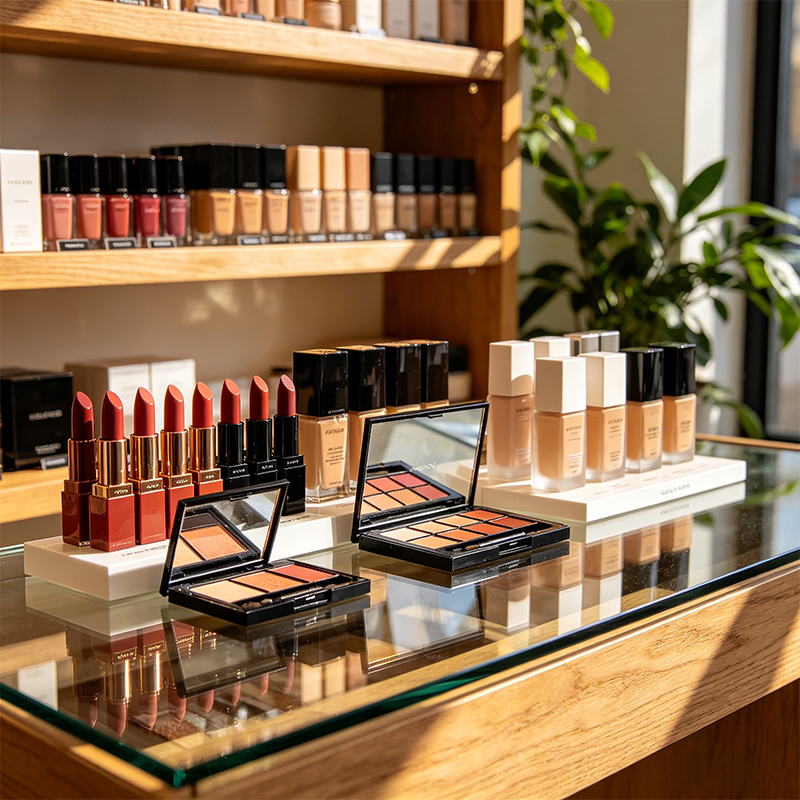
We see makeup store interior display, cosmetics display project, cosmetics display brand, cosmetics display wall, and custom display racks moving from static presentation to experience-driven systems, where store traffic, dwell time, and conversion rates are engineered rather than hoped for.
Then the uncomfortable reality. Offline beauty retail is no longer about product density but about interaction density, and that forces every cosmetics display project to balance cost, modularity, lighting lux levels (typically 800–1200 lx for makeup zones), and digital integration, pushing custom display racks and cosmetics display wall systems into hybrid roles that combine merchandising, branding, and behavioral tracking.
So why now?
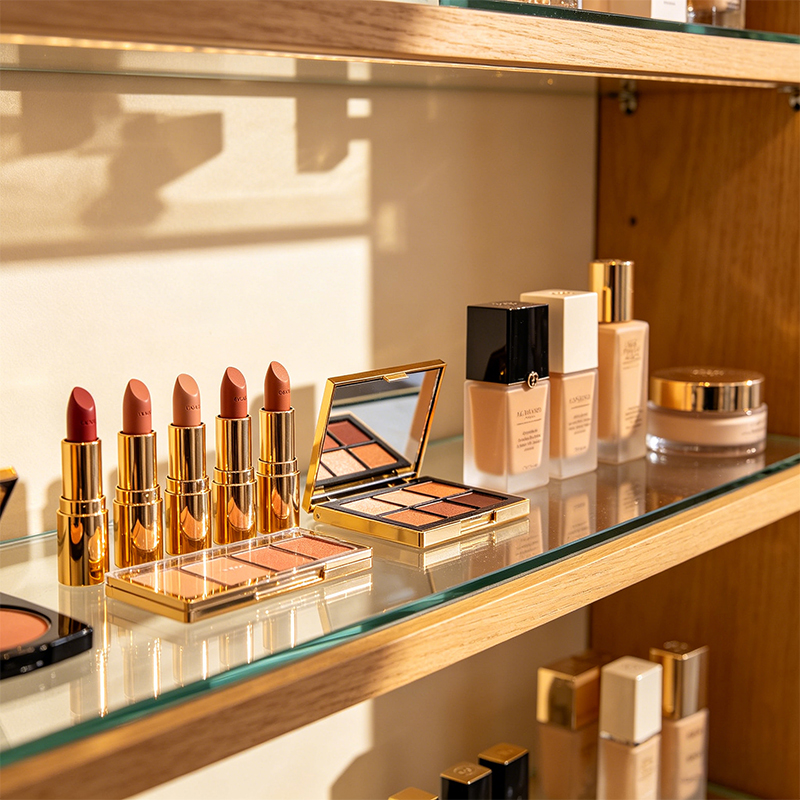
Experience First. Sales Follow.
Three words only.
People want interaction.
But here is the tension, because while brands push immersive makeup store interior display concepts with mirrors, testers, and guided lighting, procurement teams are cutting fixture budgets by 10%–15%, forcing custom display racks to carry more SKUs while still supporting tactile engagement and visual hierarchy.
We’ve built both ends.
Luxury and discount.
And honestly, most cosmetics display brand teams overdesign early and cut later, which breaks the integrity of the cosmetics display wall layout.
Is that sustainable?
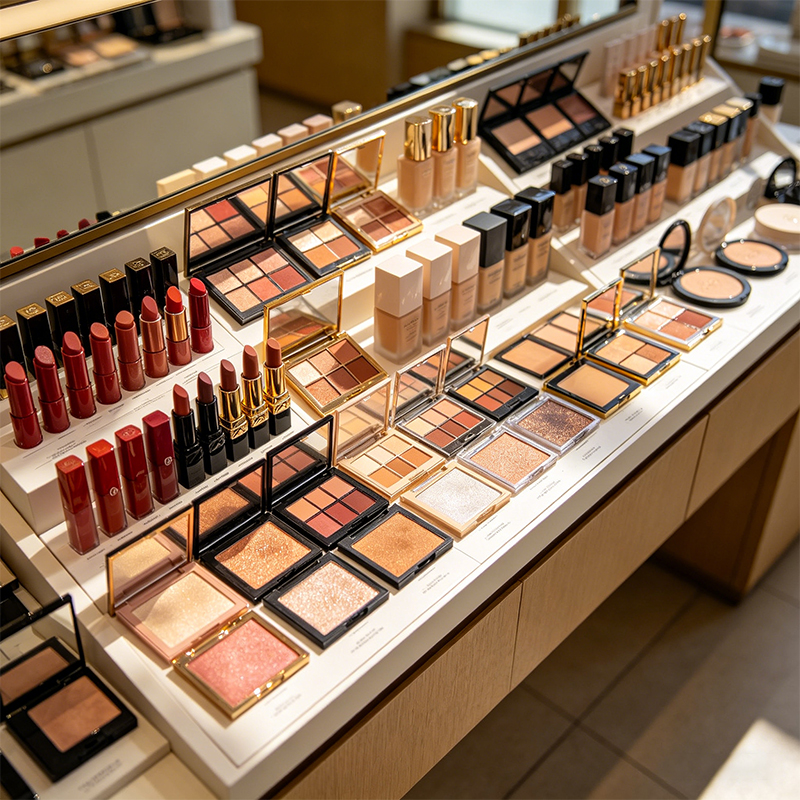
Data Behind Cosmetics Display Project Decisions
Numbers speak louder.
And they are getting sharper.
According to a Reuters retail foot traffic report, U.S. beauty store visits increased by 7.4% in 2025, yet conversion only improved by 2.1%, meaning the gap between traffic and purchase still exists, and that gap is exactly where makeup store interior display strategy operates.
Another signal comes from U.S. Census retail data, showing health and personal care store sales hitting $413 billion in 2025, but with higher SKU churn rates, forcing custom display racks to adapt faster than traditional planograms allow.
So what happens next?
Cosmetics display project planning is no longer seasonal.
It is continuous.
Cosmetics Display Wall Is Becoming the Core Asset
One wall matters.
Everything flows there.
In most successful cosmetics display brand rollouts we observed in 2025–2026, the cosmetics display wall acts as the anchor point, integrating LED strips (4000K–5000K), tester zones, and digital price tags, while custom display racks extend modularly to support promotions and seasonal swaps.
We tested layouts.
Some failed badly.
A client reduced wall height by 15 cm to save cost. Result? Eye-level SKU exposure dropped by 22%, and sales fell in two weeks.
That is the level of sensitivity.
So yes, cosmetics display wall design is not decoration.
It is revenue architecture.
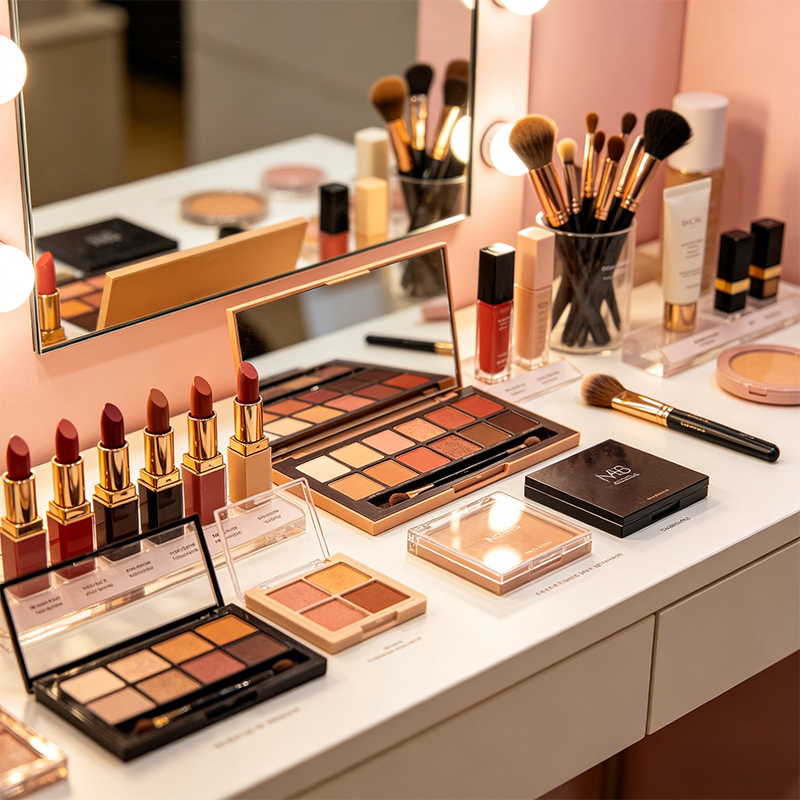
Custom Display Racks Must Work Harder
Less space now.
More function required.
Modern custom display racks are expected to:
Support 20% more SKU density
Allow tool-free adjustment in under 90 seconds
Integrate lighting without heat distortion (LED < 35°C surface)
And still look premium enough to support cosmetics display brand identity.
We redesigned a system.
Flat-pack, metal + acrylic.
It reduced shipping cost by 18% and improved installation speed by 30%, but here’s the trade-off—slightly lower perceived luxury unless paired with a strong cosmetics display wall.
That balance is where most cosmetics display project failures happen.
Industrial Display Racks Manufacturer: The Hidden Player
Often ignored.
But always involved.
Every successful makeup store interior display depends on an industrial display racks manufacturer who understands not just fabrication tolerances (±0.5 mm matters here) but also retail psychology, lighting reflection angles, and material aging under constant handling.
We’ve seen factories fail.
Not because of production.
Because they didn’t understand cosmetics display brand positioning.
And that gap costs contracts.
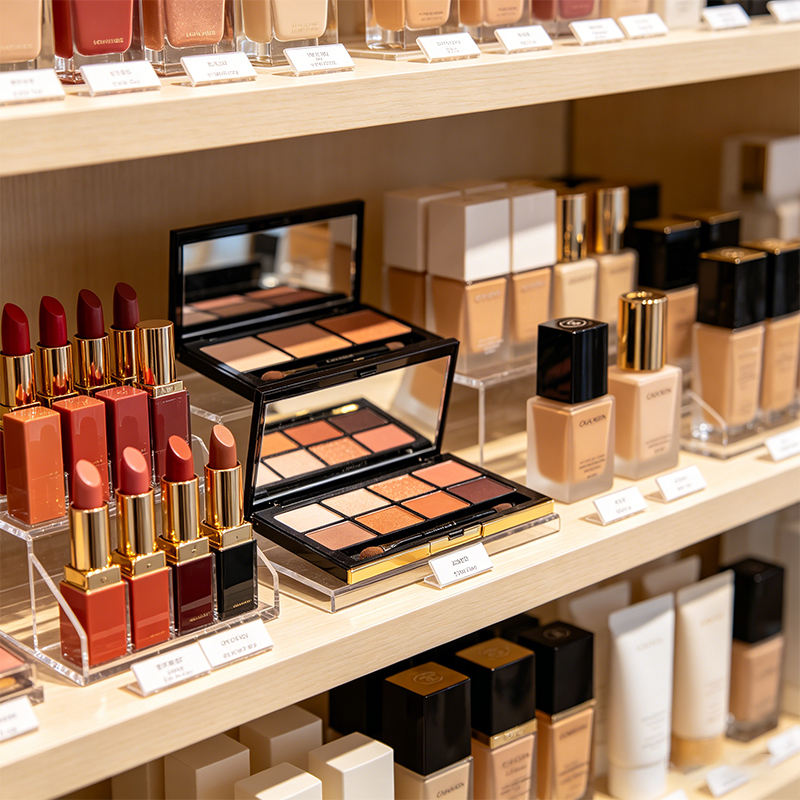
What Actually Works in 2026
Hard truth first.
There is no universal template.
But patterns exist, and based on recent cosmetics display project deployments, the following framework performs consistently:
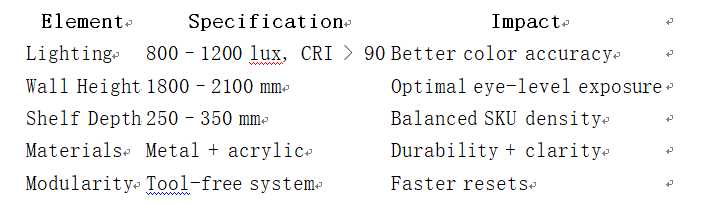
We use this baseline.
Then adjust.
Because every cosmetics display brand has its own story, but the physics of retail does not change.
The Industry Reality Nobody Likes
Margins tighten.
Expect friction.
According to a Bloomberg consumer spending outlook, discretionary spending growth slowed to 2.8% in early 2026, meaning cosmetics display project budgets will remain under pressure while expectations for makeup store interior display continue to rise.
That contradiction defines the next cycle.
custom display racks must do more.
Cosmetics display wall must convert better.
And cosmetics display brand teams must finally accept that design without data is just decoration.
So we ask again.
Are you building stores?
Or building behavior?
FAQs
What is a makeup store interior display and why is it important?
A makeup store interior display is a structured retail environment design that integrates lighting, shelving, mirrors, and product layout to guide customer interaction, improve product visibility, and increase conversion rates by aligning physical space with shopper behavior and brand identity.
What does a cosmetics display project typically include?
A cosmetics display project includes planning, design, manufacturing, and installation of retail fixtures such as cosmetics display wall systems, custom display racks, lighting setups, and branding elements, all coordinated to support sales performance and consistent customer experience.
How does a cosmetics display brand influence store design?
A cosmetics display brand defines the visual identity, material selection, color temperature, and layout logic of retail fixtures, ensuring that cosmetics display wall and custom display racks align with brand positioning and create a consistent in-store perception.
Why are custom display racks critical for sales performance?
custom display racks are modular storage and presentation units that directly impact product accessibility, visibility, and replenishment speed, making them essential for managing high SKU turnover and maintaining organized, appealing retail environments.
CTA
We’ve built these systems.
And we’ve seen what fails.
If your next cosmetics display project needs real performance, not just drawings, work with a team that understands makeup store interior display, cosmetics display brand logic, and how to engineer cosmetics display wall and custom display racks for measurable results.
Sintop’s Value
At Sintop, we help retailers adapt to price-driven markets with optimized systems built around display rack manufacturer capabilities, standardized store display supplies, and scalable creative store displays.
Our strengths include:
Cost-controlled production tailored to modern display rack manufacturer requirements
Modular store display supplies designed for fast SKU rotation
Semi-custom boutique display fixtures that balance branding and scalability
Engineering solutions that improve ROI under margin pressure
We don’t just produce fixtures—we deliver systems that solve real retail math.

Contact information
Website: www.sintopfixtures.com
Wechat/WhatsApp: +86 15980885084
Email: elly@xm-sintop.com
FAQ
1. What types of display racks can Sintop provide?
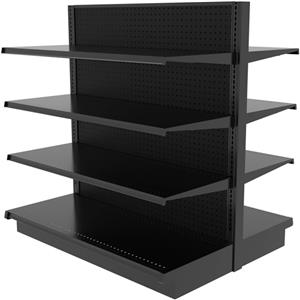
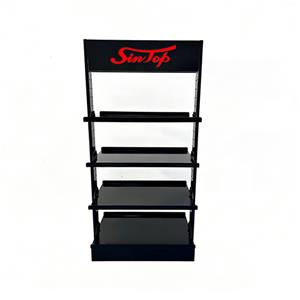
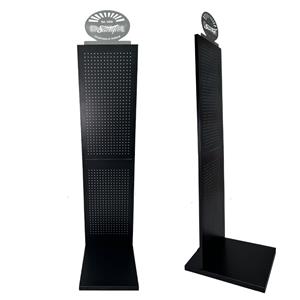
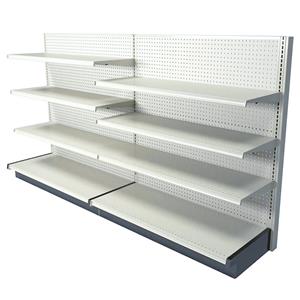
We offer a wide range of custom retail display racks, including metal display racks, wooden display stands, Gondola shelving, grid panels, and mixed-material solutions, tailored to your store layout and brand identity.
2. Can I order a single unit or prototype?
Yes, no minimum order is required. We can produce prototypes or single units as well as large-volume orders.
3. How long does it take to receive an order?
New items: 3–5 weeks for tooling and production.
Reorders: 2–4 weeks depending on product type.
We are flexible and strive to meet your required delivery dates.
4. Can Sintop handle OEM or ODM projects?
Yes, we specialize in OEM and ODM solutions, turning your ideas or drawings into custom, high-quality display racks.
5. How does Sintop ensure quality?
Every display rack undergoes material inspection, welding and structural checks, surface finish testing, and final assembly inspection to ensure durability, safety, and visual appeal.