

How Europe's Heatwave Is Changing Retail Display Fixture Design in 2026?
Europe's Heatwave Is Forcing a Hard Reset on Retail Display Fixtures. Here's How We're Responding.
We've been manufacturing retail display fixtures for over two decades. We've seen trends come and go. But this European heatwave is different. It's not a passing fad; it is a structural shift. When temperatures in the UK hit 40°C, the thermal dynamics inside a supermarket change permanently. We aren't just talking about a seasonal shift anymore; we are talking about a fundamental redesign of what a supermarket display racks system must withstand. The heat is forcing retailers to rethink their entire summer retail display strategy.
We're based in Xiamen, China, but our clients are global. We've spent the last few years watching Europe's mercury rise. What we see now is a tipping point. We have to adapt our heat-resistant display fixtures quickly. This isn't just about selling more fans or cold drinks; it's about protecting the integrity of the products on the shelf. The traditional seasonal retail display of stacking high and using cheap materials is over. It simply doesn't survive the new European summer.
We saw reports that on the Joybuy platform, demand for cooling products surged, with air conditioner sales jumping nearly 40 times in a single week and fan sales soaring over 80 times. That kind of demand shock means retailers are scrambling to get products in front of customers, fast. But what happens when the display itself fails under the same heat? That's the question we're answering for our clients every single day right now.
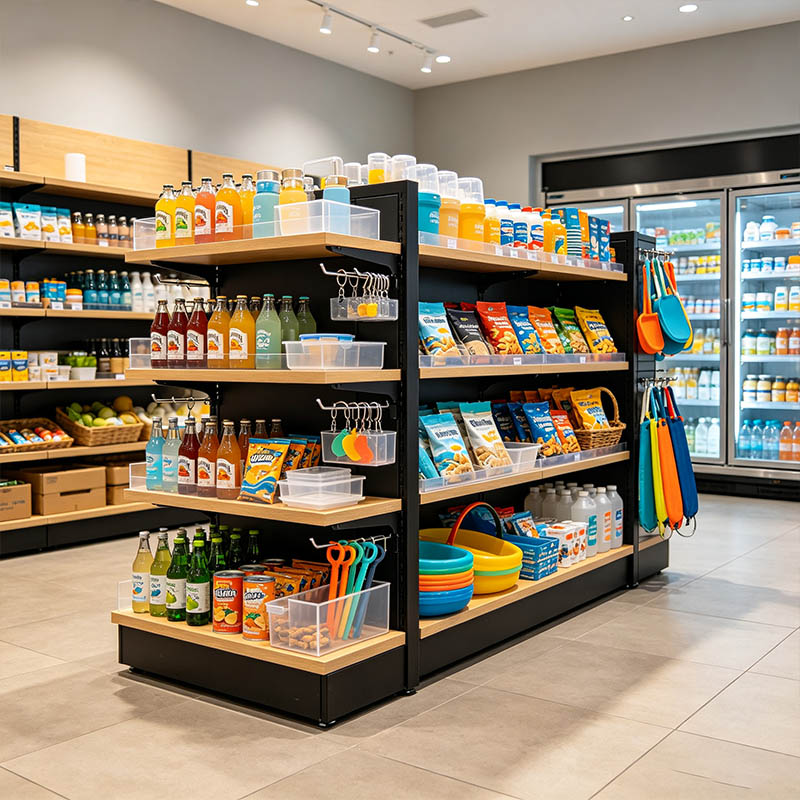
The Physics of a Hot Aisle
We have to start with the physics of it. The heat doesn't just make customers uncomfortable; it attacks the structural integrity of the materials. A study from the IIR International Conference on Refrigeration demonstrated that if a store's A/C was designed for a peak of just 27.7°C, indoor temperatures exceeded the setpoint by a significant margin during a heatwave. This creates a brutal environment for retail display fixtures.
Think about thermal expansion. Many supermarkets rely on inexpensive metal or plastic components. In a 40°C store, metal expands. Plastic becomes pliable. We have seen laminated particle board start to delaminate and warp within weeks in these conditions. That metal post? It might be fine. But the connection points, the welds, and the joints are stressed in ways they weren't ten years ago. This is why we are moving towards more modular systems that allow for expansion gaps, much like a bridge.
We use high-tensile steel and powder-coated finishes that we test for sagging at 50°C. But that's not the whole story. The real challenge is the internal temperature of the gondola itself. We've learned that the "thermal mass" of the display can increase the surface temperature of the product. If you are displaying chocolate or cosmetics near a window, it might be melting or spoiling even if the air is cool. This is why we are talking to clients about airflow, not just aesthetics.
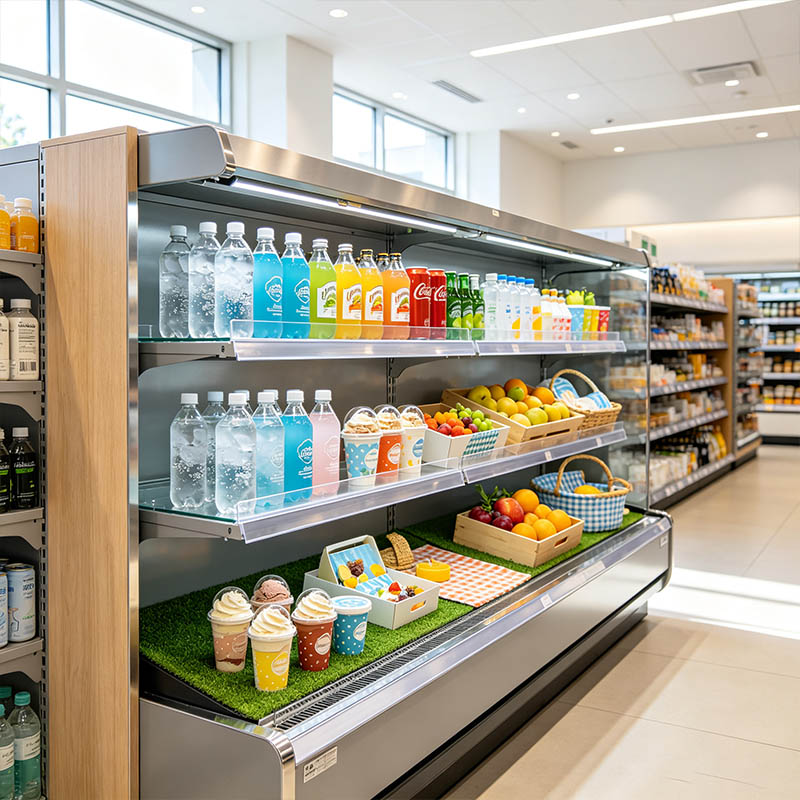
Material Science: What Actually Works?
This brings us to the core of the design shift. We need heat-resistant display fixtures that can withstand 40-50°C without degrading.
Metals: Standard mild steel is fine, but it requires high-temperature paint. We are seeing a move to powder coating that cures at higher temperatures to prevent yellowing and chipping.
Plastics: This is where we have to be careful. Standard acrylic tubes might have a heat resistance up to 65°C, but they can warp at the edges. For heavy-duty applications, we are looking at Polycarbonate (PC), which can withstand up to 100°C.
Wood: It's beautiful, but it doesn't like moisture or high heat. We are using more high-pressure laminates (HPL) that are thermofused to prevent peeling.
The key point here is that no single material fits all. We have to design systems where the material matches the stress. For a dry shelf in the middle of the store, a standard MDF shelving might be fine if it is properly sealed. For a display near the deli or the entrance, you need a different solution. This is the nuance that separates a simple shelving supplier from a solutions provider.
Case Study: The 2026 UK Convenience Store Overhaul
We have a client who operates a chain of small convenience stores in the UK. In July 2025, they reached out in a panic. Their fixtures were literally falling apart. The heat had caused the adhesive on their vinyl wrap to melt, the MDF shelves were sagging, and the plastic tag holders were brittle and snapping. In 2026, we are redesigning their entire fleet.
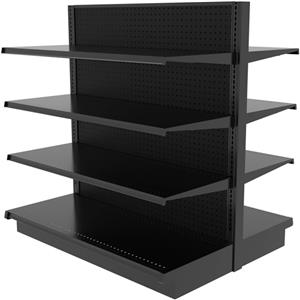
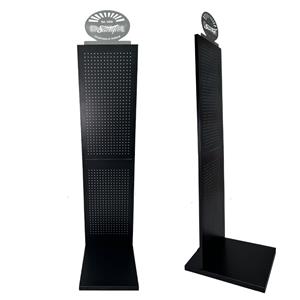
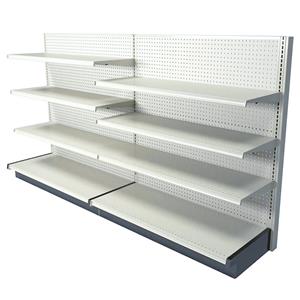
We are moving them away from fixed shelving to a modular grid system. This system uses thicker gauge steel and high-heat powder coating. We are replacing plastic tag holders with stainless steel alternatives. We are also advising them on their planograms. Traditional supermarket display racks are often packed tight. This stops airflow. We are redesigning the summer retail display to be more open. We are adding more wire racking and perforated shelving to allow cold air from the HVAC to circulate around the products.
This solves two problems. First, it extends the life of the display. Second, it cools the product itself, which reduces the load on the store's refrigeration units. This is a massive win for energy efficiency. According to the UK study, a properly sized A/C system can handle the load, but the distribution of that cold air is key. Our fixture design must now act as a conduit for cold air.
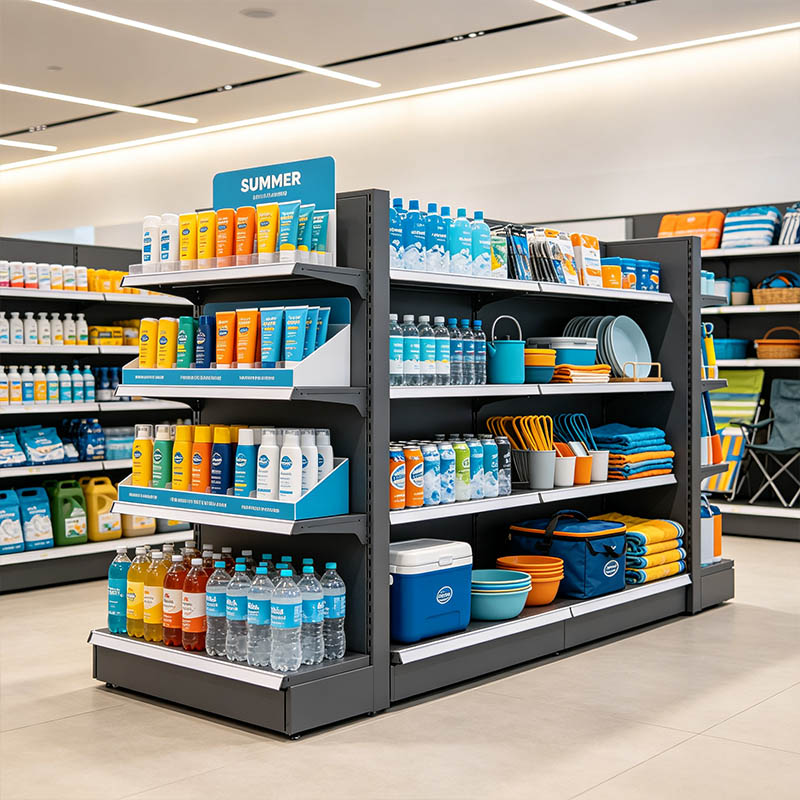
Table: Comparison of Display Rack Materials for Extreme Heat
| Material | Heat Resistance | Pros | Cons | Best Application in Heat | Cost Factor |
|---|---|---|---|---|---|
| Standard MDF | Low (Warps above 35°C) | Cheap, Easy to cut | Swells, deforms, poor moisture resistance | Dry storage, short-term seasonal use only | Low |
| High-Pressure Laminate (HPL) | Medium (Up to 45°C) | Scratch resistant, durable | Expensive, heavy | Perishable aisles, deli counters | High |
| Standard Acrylic (PMMA) | Medium (~65°C) | Clear, lightweight | Prone to scratching, can yellow | Cosmetic displays, signage (low heat load) | Medium |
| Polycarbonate (PC) | High (~100°C) | Impact resistant, durable | Can be expensive, harder to fabricate | Outdoor displays, high-heat LED lighting | High |
| Powder-Coated Steel | High (Up to 150°C+) | Strong, durable, recyclable | Heavy, prone to rust if chipped | Workhorses of the store, heavy load bearing | Medium-High |
Seasonal Planning Is Now Year-Round
We used to talk about seasonal retail display as a four-month sprint. You'd design a display for summer, run it for a few months, and swap it out. That era is gone. The "summer" season is extending. It's starting earlier and ending later.
A recent market report highlighted the explosion in demand for "cooling" appliances like mobile A/C units and air coolers. Retailers must be ready to display these bulky items. They aren't just plugging them in; they are showing them working. This requires specific retail display fixtures that can handle the weight and provide visibility. You can't just stack a bunch of air coolers on a pallet and expect them to sell.
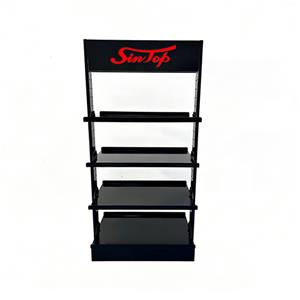
We have shifted to designing "flexible islands." These are supermarket display racks that are designed to hold heavy electronics but can be quickly reconfigured to display lighter seasonal goods like sunscreen or picnic blankets as the weather cools. This modularity is critical for the retailer's return on investment. The fixture must last 5-10 years, but the product on it changes monthly.
We are using our extensive experience in design engineering to create these systems. We are focusing on ease of assembly. If a store manager can change the layout in 30 minutes rather than two hours, we have saved them labor costs. This is efficiency, and in a market where margins are being squeezed, that is the only thing that matters.
The Future is "Smart" and "Open"
We will see more smart systems built into the retail display fixtures. We are talking about temperature sensors and load sensors that flag when a product is getting too hot or when the shelf is empty. We already see this in high-end electronics, but it will trickle down to general merchandise soon.
But there is a simpler shift we see coming: the death of the "wall." The old model of lining the perimeter with massive shelving units is inefficient. In a heatwave, you need open plan. You need summer retail display layouts that allow air to flow.
We are pushing our clients toward lower profile gondolas and more "island" units. By using shorter units, the cold air doesn't get trapped. It flows over the top of the products and keeps everyone cool. This reduces the reliance on the HVAC system, which is often pushed to its limit during a heatwave. Again, this is about integrating the fixture into the environmental strategy of the store, not just seeing it as a box to hold products.
This is a direct response to the shopping behaviors we see in extreme heat. Customers want to get in, grab what they need, and get out. Open, accessible displays speed up the shopping trip and reduce the time they spend in the uncomfortable heat. It's about convenience and safety.
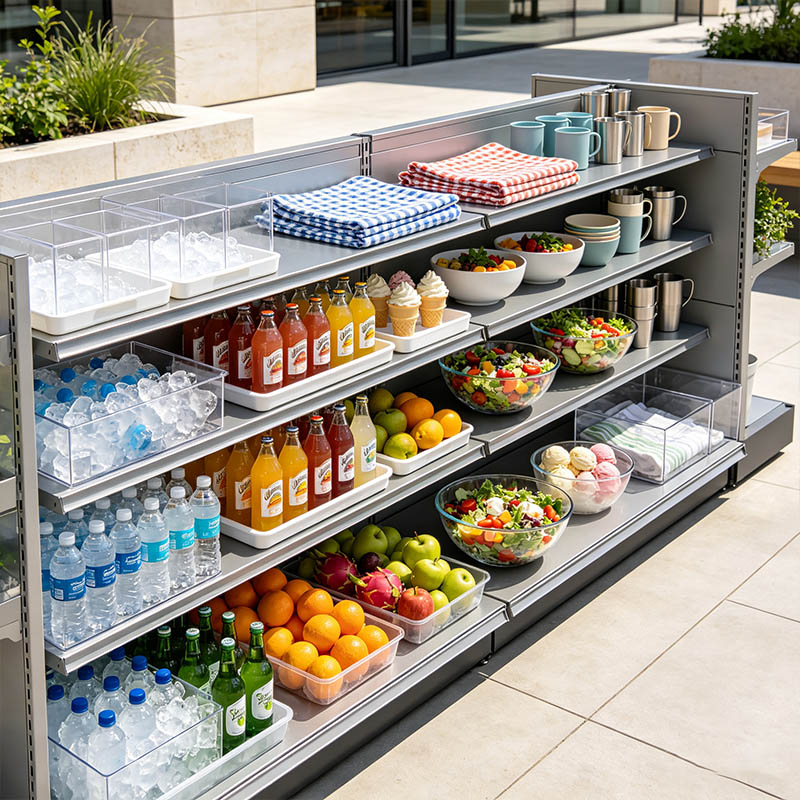
Conclusion
The European heatwave is a test for the retail industry. It is testing the limits of our materials, our designs, and our supply chains. For Sintop, it is a challenge we are ready for. We are no longer just a factory that bends metal and cuts wood; we are climate engineers for the retail space. The era of the simple shelf is over.
We are seeing massive demand for more durable, heat-resistant, and modular retail display fixtures. The market is screaming for summer retail display solutions that can handle the heat. We are focusing on heat-resistant display fixtures that don't just look good but perform under pressure. We are redesigning supermarket display racks to be open and promote airflow. We are making seasonal retail display a year-round conversation. This is the new normal, and we are building for it.
Frequently Asked Questions
Q: What are heat-resistant display fixtures?
Heat-resistant display fixtures are retail shelving units designed and engineered with materials and coatings that can withstand prolonged exposure to elevated temperatures—typically above 40°C—without warping, delaminating, or losing structural integrity.
Q: How does extreme heat affect standard supermarket display racks?
Extreme heat causes standard laminated wood shelves to warp, metal components to expand and misalign, and plastic tag holders or acrylic panels to become brittle and break. This can lead to products falling off or becoming unsellable.
Q: Why is airflow important in summer retail display design?
Airflow is vital because it helps distribute cold air from the store's HVAC system around the products on the shelf, reducing the cooling load on the store and preventing hot spots on the display that could spoil sensitive items like cosmetics or food.
Q: Can I use the same fixtures for summer and winter retail displays?
Yes. We recommend investing in modular, high-quality metal fixtures with a durable powder-coat finish. These can be adapted with different accessories (like wire grids for summer or solid panels for winter) to fit the season without replacing the entire system.
Q: Is polycarbonate or acrylic better for heat-resistant display covers?
Polycarbonate is superior for heat resistance. While acrylic (PMMA) offers clarity, its heat tolerance typically tops out at around 65-95°C. Polycarbonate can withstand up to 100°C or more, making it far more durable in extreme heat environments.
Let's Talk About Your Heat Strategy
Are your current displays failing under the heat? It's time for a redesign. At Xiamen Sintop Display Fixtures Co., Ltd, we have the engineering expertise to build heat-resistant display fixtures that last.
We understand the physics of your store. We know the load limits. We know the material constraints. We deliver real solutions, not just sales pitches.

Contact information
Website: www.sintopfixtures.com
Wechat/WhatsApp: +86 15980885084
Email: elly@xm-sintop.com
FAQ
1. What types of display racks can Sintop provide?
We offer a wide range of custom retail display racks, including metal display racks, wooden display stands, Gondola shelving, grid panels, and mixed-material solutions, tailored to your store layout and brand identity.
2. Can I order a single unit or prototype?
Yes, no minimum order is required. We can produce prototypes or single units as well as large-volume orders.
3. How long does it take to receive an order?
New items: 3–5 weeks for tooling and production.
Reorders: 2–4 weeks depending on product type.
We are flexible and strive to meet your required delivery dates.
4. Can Sintop handle OEM or ODM projects?
Yes, we specialize in OEM and ODM solutions, turning your ideas or drawings into custom, high-quality display racks.
5. How does Sintop ensure quality?
Every display rack undergoes material inspection, welding and structural checks, surface finish testing, and final assembly inspection to ensure durability, safety, and visual appeal.