

How Heatwaves Are Changing Retail Display Fixture Design in 2026?
Let’s be direct. The numbers are ugly, and the industry’s response has been reactive at best. The British Retail Consortium (BRC)-Sensormatic data for June 2026 shows a total UK footfall drop of 3.4% year-on-year, a significant slide from May’s 2.6% decline. While retail parks, benefiting from air conditioning, saw a relatively resilient 0.3% dip, high streets were decimated with a 6.2% nosedive. This isn't just a weather-related blip. It’s a structural shift in consumer behavior driven by extreme heat, and it’s forcing a fundamental re-evaluation of the retail environment.
The most critical takeaway for anyone involved in retail planning or procurement is this: the standard retail display fixtures that performed adequately in a temperate climate are now a liability. We are seeing a clear bifurcation in the market. On one side, air-conditioned shopping centres and retail parks are maintaining a semblance of normalcy. On the other, traditional high streets are hemorrhaging customers. Uniqlo’s parent company, Fast Retailing, recently admitted to closing stores in Europe because their cooling systems simply failed under the strain, a situation CFO Okazaki Takeshi described as "very dangerous". This is the new reality. The demand is shifting rapidly away from purely aesthetic custom retail displays toward robust, heat-resistant display fixtures engineered for survivability.
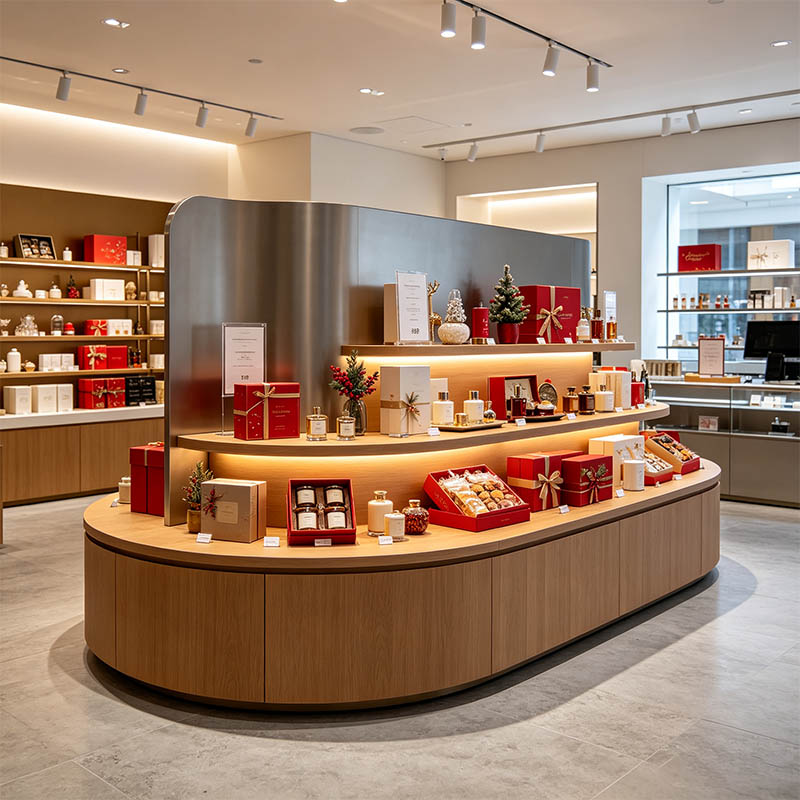
The 2026 European Retail Apocalypse: Data That Demands Action
We need to look at the specifics to understand the urgency. The BRC data paints a clear picture of a market in distress. It wasn't just that footfall was down; it was where it was down that signals a major problem for traditional store formats. According to the BRC-Sensormatic data covering the five weeks from 31 May to 5 July 2026, high street footfall cratered by 6.2%, a catastrophic drop from the 1.5% decline seen in May. This stark contrast is directly attributed to the record heatwave, which the Met Office confirmed as the warmest June on record for England.
Analysts like Andy Sumpter from Sensormatic are correct to point out that we are seeing a more "cautious consumer making fewer, more considered trips". But the implication for retail display fixtures is more profound than simply lower footfall. When a customer does make the effort to visit a store, they are arriving with a specific intent and a lower tolerance for discomfort. They will not linger in a poorly ventilated area. The "friction" of a hot, uninviting store environment is now an absolute deal-breaker.
| Location Type | June 2026 YoY Footfall Change | Impact on Display Fixture Strategy |
|---|---|---|
| UK High Streets | -6.2% (vs. -1.5% in May) | Critical. Urgent need for durable, heat-resistant display fixtures to maximize conversion of the fewer, more deliberate visitors. |
| UK Retail Parks | -0.3% (vs. -0.5% in May) | Resilient. Air conditioning provides stability. Focus shifts to premium, high-quality supermarket display racks that can handle high traffic. |
| Shopping Centres | -2.5% (vs. -2.4% in May) | Stable. Maintains steady performance. Opportunity to invest in seasonal retail display concepts to draw in footfall. |
| Overall Total UK | -3.4% (vs. -2.6% in May) | Declining. The trend is worsening. Investment in custom retail displays must now prioritize climate resilience. |
Source: BRC-Sensormatic Footfall Monitor, June 2026
For retailers, the message is clear: the traditional retail display fixtures are failing. They are failing to attract customers from the street, and they are failing to convert the ones that do come in.
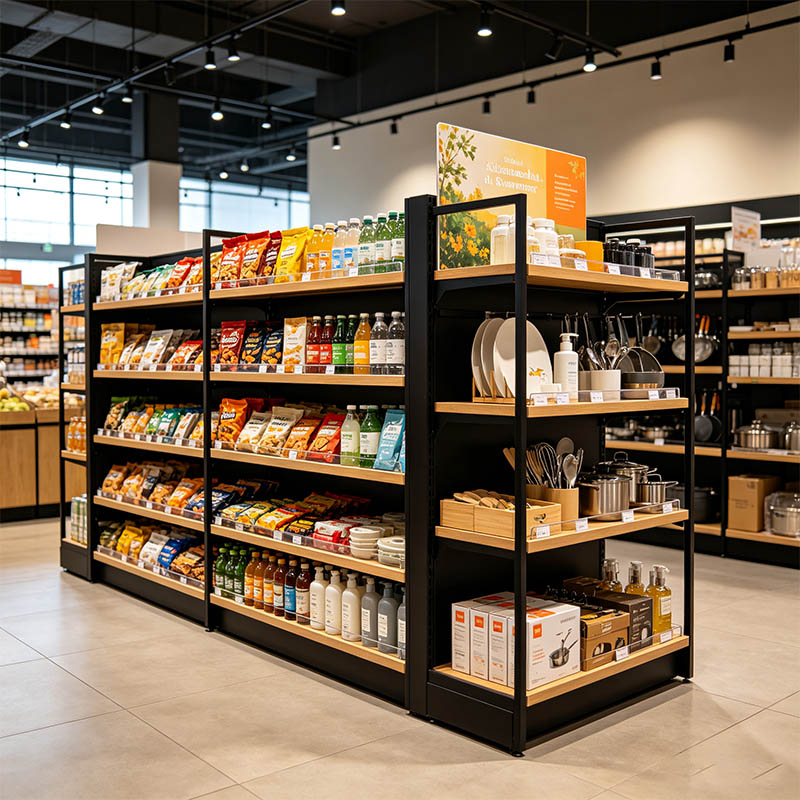
Heat-Resistant Display Fixtures: Survival of the Fittest
The demand for heat-resistant display fixtures is no longer a niche requirement; it's a fundamental specification for new retail environments. This is where the industry needs to get serious. We are not just talking about a powder coat finish that doesn't peel. We are talking about the structural integrity of the entire unit. This is about a massive shift in material science and engineering for retail display fixtures.
We are seeing a move away from materials that degrade or fail under thermal stress. Consider the impact on wood, a common material in supermarket display racks and custom retail displays. In a hot, humid environment, it can warp, swell, and become a breeding ground for bacteria. Similarly, certain plastics and acrylics can become brittle or lose their structural rigidity. The focus is shifting to metals like aluminum and steel, but with a crucial twist: they must be designed with heat dispersion in mind. For instance, a retailer with a prominent, unshaded window front will need to rethink the layout to protect both products and the custom retail displays holding them.
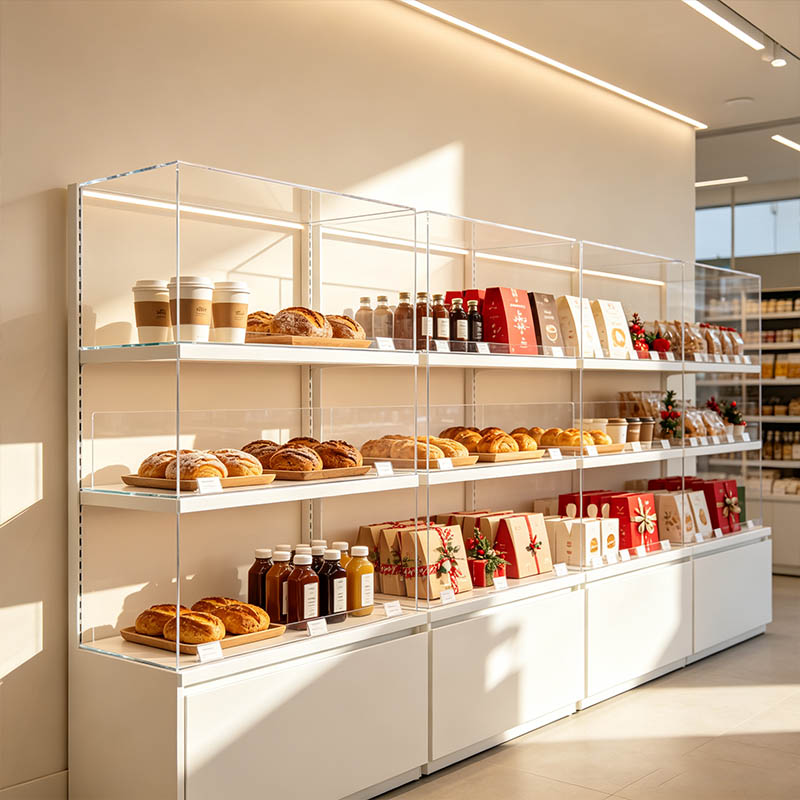
Supermarket Display Racks: The New Frontline for Freshness
Supermarkets are arguably the most vulnerable sector to this heatwave trend. Supermarket display racks are the backbone of the food retail experience, and they are being tested to their limits. The primary concern is the "cold chain." When you have an open-front refrigerated display case next to a heat source, you have a recipe for disaster—both for food safety and energy costs.
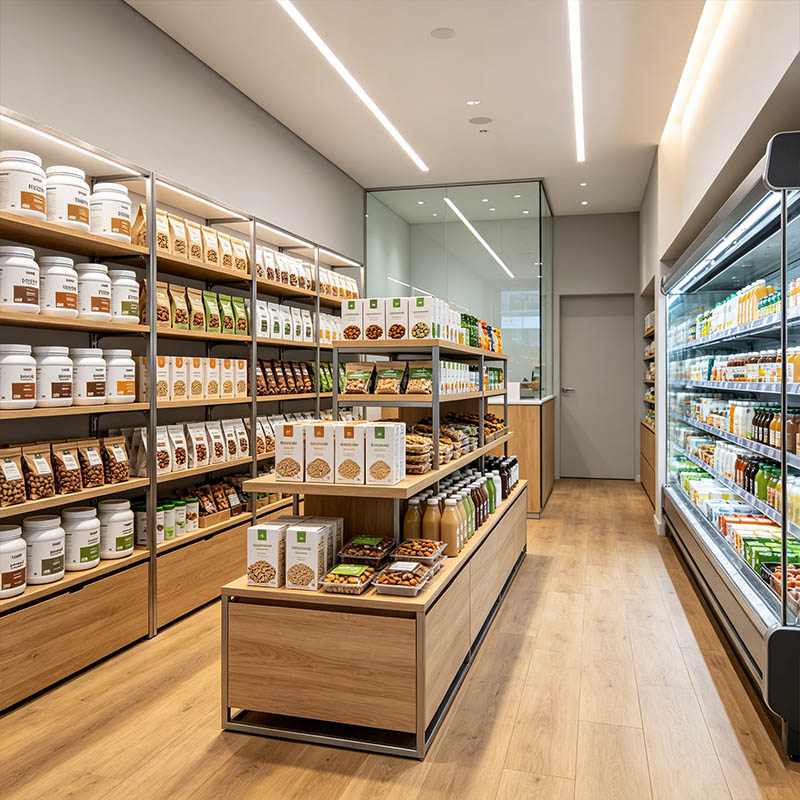
In response, we are seeing a surge in demand for supermarket display racks that incorporate better thermal management. This includes shelving with integrated ventilation, materials with lower thermal conductivity to reduce heat transfer, and designs that allow for better airflow around chilled products. The goal is to maintain product integrity and reduce the strain on refrigeration systems, which are already overtaxed by the heat. A supermarket failing to upgrade its supermarket display racks is not just risking inventory; they are risking their reputation and operational costs.
Seasonal Retail Display and Custom Retail Displays: Why "One-Size-Fits-All" Is Dead
The heatwave has obliterated the standard "seasonal" calendar. Seasonal retail display now needs to be an "extreme weather" category. The days of planning a spring/summer display based purely on aesthetics are over. The materials, finishes, and structural design must be engineered to handle a 35°C+ environment for sustained periods.
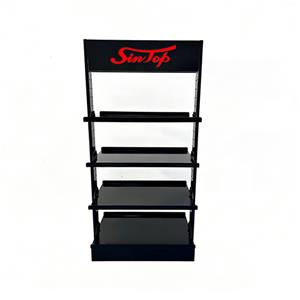
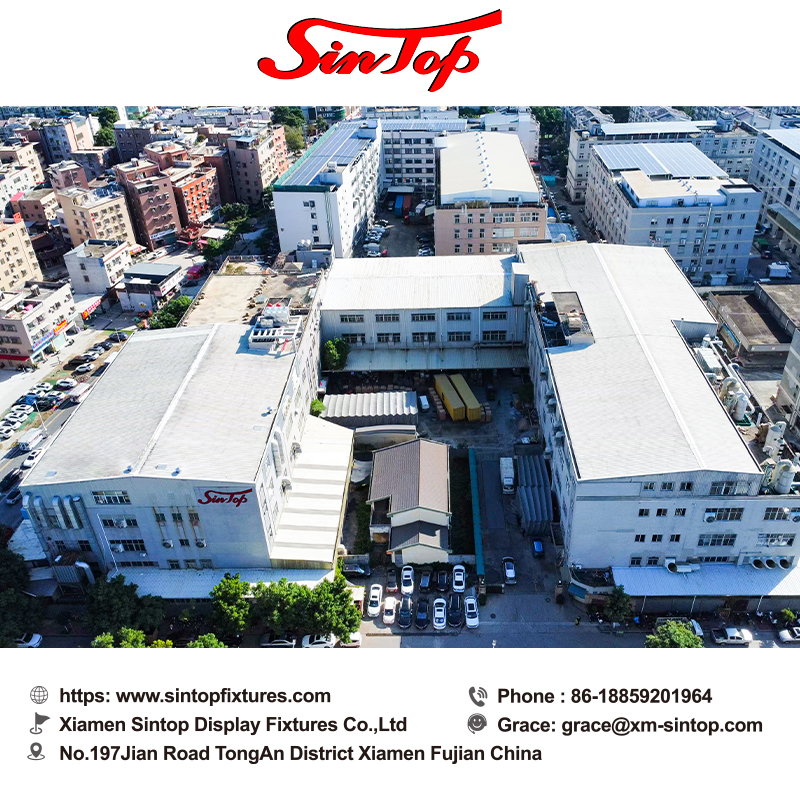
This is where custom retail displays become a strategic imperative, not just a branding exercise. Off-the-shelf solutions are often designed for a "general" climate. They don't account for the specific heat loads of a glass-walled storefront or the material weaknesses under thermal stress. A well-engineered custom retail display from a supplier like Xiamen Sintop Display Fixtures Co., Ltd. can be designed with specific heat-resistant materials and construction techniques. With a 30,000-square-meter factory and over 350 workers, a manufacturer with such scale is better positioned to manage the rigorous supply chain and quality control needed for these demanding specifications.
The BRC's Helen Dickinson has noted that the heatwave "kept many shoppers indoors". To lure them out, retailers need to create a "thermal sanctuary." This means integrating display design with HVAC efficiency, using materials that stay cool to the touch, and implementing modular, heat-resistant display fixtures that can be easily reconfigured as the climate continues to shift.
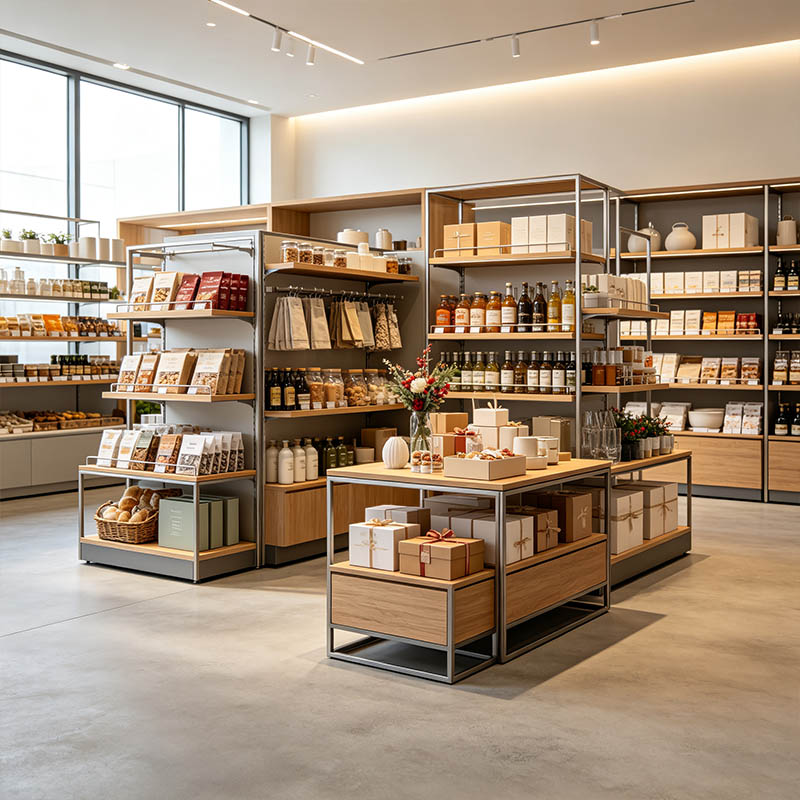
A Supplier's Perspective: Xiamen Sintop’s Role in the 2026 Market
For a supplier, this market shift is a double-edged sword. It exposes the weaknesses of competitors who are stuck in the past, but it also demands a higher level of expertise from us. Since 2002, we at Sintop have built a reputation on robust, custom solutions for some of the world’s most demanding retail brands like Macy's and JD Sports. The current crisis validates our long-standing emphasis on durable engineering and project management.
Our in-house facilities for metal, wood, and acrylic, combined with modern computer-controlled machinery like laser cutting stations and welding robots, allow us to adapt quickly to these new material demands. The market is moving toward solutions that require a "one-stop shop" capable of managing complex, heat-resistant display fixtures from design to shipment. A fragmented supply chain cannot guarantee the quality control required. We are seeing a clear trend where retailers are consolidating their supplier base, moving away from vendors who can't provide the engineering rigor needed for the new climate reality.
FAQ: The "Heatwave-Ready" Retail Strategy
Q: Is the decline in UK footfall solely due to the heatwave?
A: While other factors like consumer confidence and economic pressure play a role, the BRC-Sensormatic data shows a direct correlation between the record-high temperatures and the sharp drop in footfall, particularly on high streets. The data from June represents a significant worsening of a trend that was already negative.
Q: How are major brands like Uniqlo responding to the heatwave?
A: Uniqlo's parent company, Fast Retailing, has been forced to temporarily close stores and shorten hours in Europe due to cooling system failures. They are now planning to "fully inspect" their European store air conditioning systems and are developing new clothing lines tailored for extreme heat. This highlights the operational strain the heatwave is placing on retailers.
Q: What specific features define a "heat-resistant" display fixture?
A: It involves a combination of material selection (e.g., powder-coated metals, UV-stable finishes), structural design (e.g., improved airflow, heat dissipation channels), and surface treatment (e.g., UV-resistant laminates, moisture barriers). The goal is to ensure the unit does not degrade, warp, or fail under prolonged thermal stress.
Q: Why should we invest in custom retail displays instead of off-the-shelf options?
A: Off-the-shelf retail display fixtures are designed for general conditions and often lack the specific engineering required for extreme heat. A custom retail display allows you to dictate the materials, structural reinforcements, and finishes needed to ensure the unit performs reliably, protects your products, and maintains your brand image in the harsh new climate.
Q: How can retailers adapt store layouts to mitigate the impact of heat?
A: Retailers should focus on creating "cool zones" near entrances and checkout areas using materials that don't absorb heat. Integrating display fixtures with HVAC airflow and using lighter, more reflective colors can also help reduce the store's overall heat load.
The Bottom Line: Adapt or Get Left Behind
The 2026 heatwave is not an anomaly. It is the new normal. The retailers that will survive—and thrive—are the ones that are already adapting their strategies for heat-resistant display fixtures, durable supermarket display racks, and robust custom retail displays. The data is clear: the "showroom" of the future must be as focused on climate resilience as it is on visual merchandising.
This is a wake-up call for the entire retail supply chain. If you are still sourcing retail display fixtures from suppliers who can't discuss thermal expansion coefficients or UV resistance with confidence, you are already behind. The time for incremental change is over. The market demands a hard reset.
Sintop Value
At Xiamen Sintop Display Fixtures Co., Ltd., we believe modern retail displays must be designed for real-world challenges.
Since 2002, Sintop has supported global retail brands with customized display solutions built around durability, flexibility, and manufacturing reliability.
Our advantages include:
✔ Over 20 years of retail fixture manufacturing experience
✔ 30,000㎡ production facility with complete metal, wood, and acrylic capabilities
✔ Advanced equipment including laser cutting, CNC processing, and robotic welding systems
✔ Engineering support for heat-resistant display fixtures and complex retail projects
✔ Custom retail displays designed for different climates, products, and store environments
From supermarket display racks to seasonal retail display systems, Sintop helps retailers create fixtures that are not only attractive but also reliable under changing environmental conditions.
We don't just manufacture displays — we engineer retail solutions built for the future.

Contact information
Website: www.sintopfixtures.com
Wechat/WhatsApp: +86 15980885084
Email: elly@xm-sintop.com
FAQ
1. What types of display racks can Sintop provide?
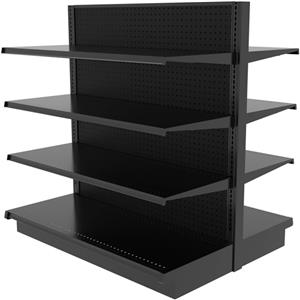
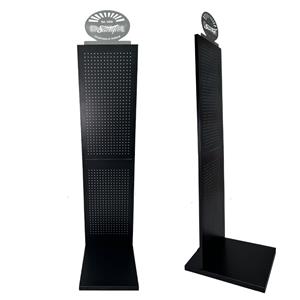
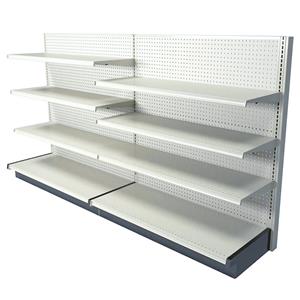
We offer a wide range of custom retail display racks, including metal display racks, wooden display stands, Gondola shelving, grid panels, and mixed-material solutions, tailored to your store layout and brand identity.
2. Can I order a single unit or prototype?
Yes, no minimum order is required. We can produce prototypes or single units as well as large-volume orders.
3. How long does it take to receive an order?
New items: 3–5 weeks for tooling and production.
Reorders: 2–4 weeks depending on product type.
We are flexible and strive to meet your required delivery dates.
4. Can Sintop handle OEM or ODM projects?
Yes, we specialize in OEM and ODM solutions, turning your ideas or drawings into custom, high-quality display racks.
5. How does Sintop ensure quality?
Every display rack undergoes material inspection, welding and structural checks, surface finish testing, and final assembly inspection to ensure durability, safety, and visual appeal.