

How Intermediaries Optimize Display Stand Supply Chains
As highlighted in the World Economic Outlook, global economic conditions continue to face uncertainty and growth pressure. Although there has been some easing, risks linked to debt levels and trade tensions remain. For intermediaries selecting a retail display racks manufacturer, cost control, delivery reliability, and supply risk management are now more important than ever.
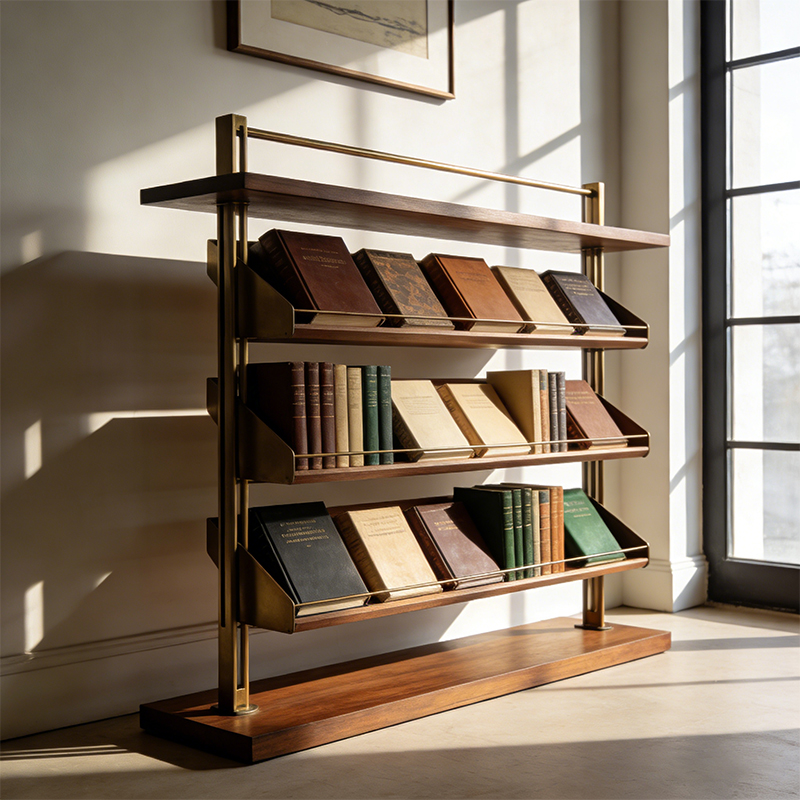
Whether sourcing sunglasses shelf, sunglass rack wall, coffee table book displays, cloth rack, or book display rack, display fixtures are no longer simple one-off purchases. They have become part of a structured supply system. This article focuses on the key concerns of intermediaries, including material selection, inspection challenges, logistics execution, and how to effectively work with a Chinese retail display racks manufacturer in a complex global environment.
Global Economic Uncertainty and the Real Pressure on Intermediaries
Even as global conditions show slight improvement, high debt levels and ongoing trade tensions continue to affect sourcing decisions. For intermediaries, this directly impacts price stability from any retail display racks manufacturer.
For example, sunglasses shelf and sunglass rack wall products are highly sensitive to steel prices and surface finishing costs, while cloth rack and book display rack projects are more affected by labor and logistics expenses.
In this environment, intermediaries must evaluate the long-term stability of a retail display racks manufacturer, not just short-term pricing.
Material Selection: The First Step to Risk Control for Intermediaries
From long-term industry experience, different display fixtures rely on materials in very different ways:
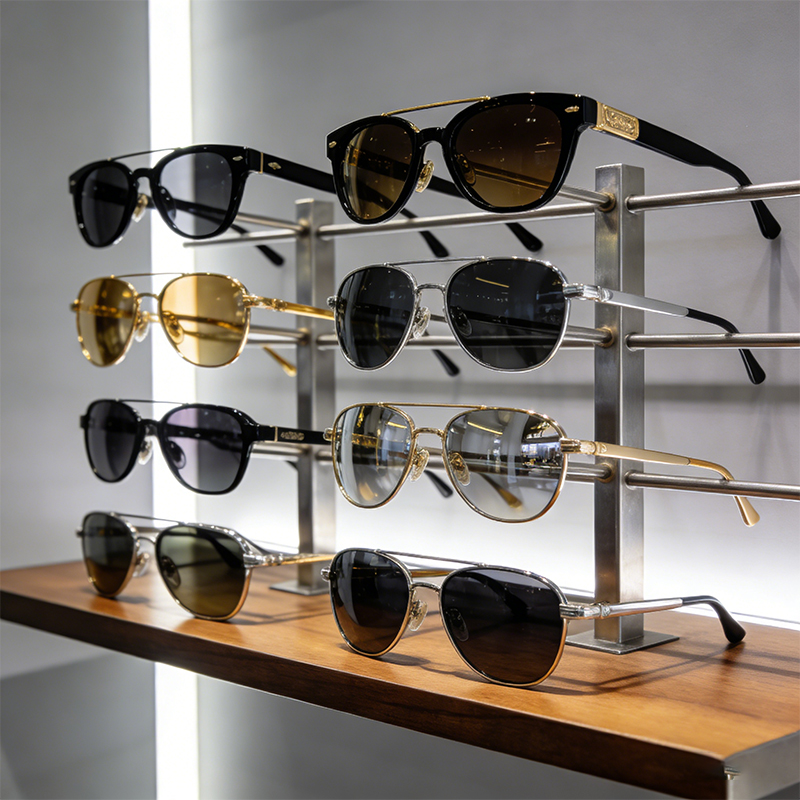
sunglasses shelf / sunglass rack wall: primarily metal-based, with focus on welding quality, load capacity, and coating consistency
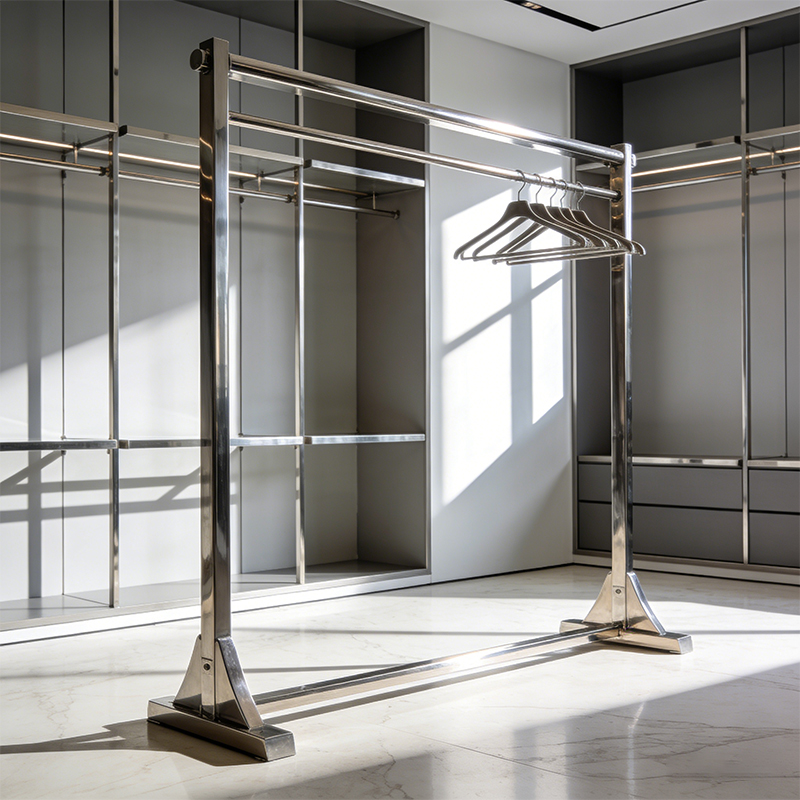
cloth rack: structural strength and resistance to deformation during long-term use
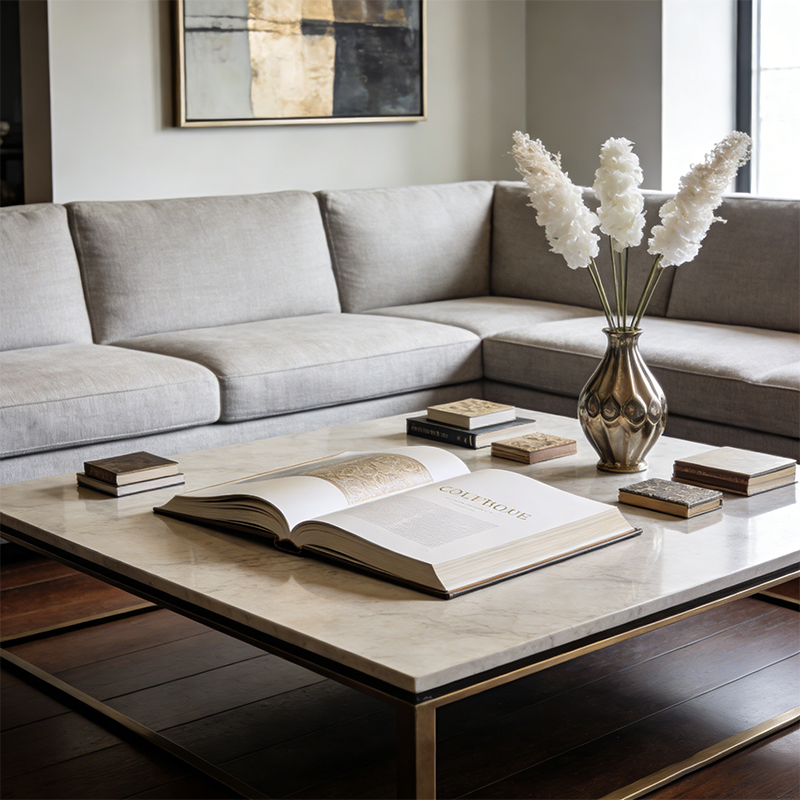
book display rack / coffee table book displays: emphasis on shelf flatness and edge finishing
A professional retail display racks manufacturer will proactively provide material specifications, thickness standards, and alternative options. For intermediaries, this transparency is critical. Suppliers that only provide images without technical parameters present higher sourcing risk.
Inspection Is Where Intermediaries Most Often Encounter Problems
In many sunglasses shelf and sunglass rack wall projects, intermediaries face issues simply because inspection standards were not clearly defined from the beginning.
When working with a retail display racks manufacturer, intermediaries should clearly confirm at least the following:
Welding quantity and placement on cloth rack structures
Load testing methods for book display rack shelving
Surface durability standards for coffee table book display units
Experienced retail display racks manufacturer partners typically support third-party inspections and cooperate with photo and video confirmation, which significantly reduces post-delivery disputes.
Logistics and Packaging Directly Affect Intermediary Margins
With freight rates remaining unstable, bulky items such as sunglasses shelf and cloth rack place greater importance on packaging efficiency.
Industry experience shows that well-designed knock-down sunglass rack wall and book display rack solutions can reduce logistics costs by 15%–25%.
A capable retail display racks manufacturer considers container utilization during the design phase rather than focusing solely on structure.
How Intermediaries Can Work Efficiently with Chinese Suppliers
For intermediaries, working with a Chinese retail display racks manufacturer is less about language and more about process management.
Key points intermediaries should confirm include:
Dedicated project management for sunglasses shelf / sunglass rack wall programs
Proven experience with cloth rack and book display rack production
Custom modification support for coffee table book display fixtures
A truly professional retail display racks manufacturer helps intermediaries simplify communication rather than adding complexity.
FAQ – Common Questions from Intermediaries
Q1: How can I determine whether a retail display racks manufacturer is reliable?
A: Look for suppliers that can consistently support multiple categories such as sunglasses shelf, cloth rack, and book display rack, rather than focusing on a single product.
Q2: Is modular design suitable for sunglass rack wall systems?
A: Yes. Modular sunglass rack wall designs significantly reduce transportation and inventory pressure.
Q3: Should coffee table book displays use wood or metal?
A: This depends on brand positioning, but recommendations should come from an experienced retail display racks manufacturer.
Q4: What is the most common issue in cloth rack projects?
A: Load capacity and long-term deformation, which intermediaries should test in advance.
Q5: Are book display rack projects suitable for customization in China?
A: Yes. Chinese retail display racks manufacturer partners are highly experienced in book display rack customization.
Conclusion: In Uncertain Times, Direction Matters More Than Speed
With global economic pressure still present, intermediaries need stable and reliable partners more than ever. Whether selecting a retail display racks manufacturer or sourcing sunglasses shelf, sunglass rack wall, coffee table book, cloth rack, or book display rack solutions, structured thinking and long-term collaboration remain the foundation for sustainable growth.
Sintop Value
In today’s volatile economic environment, intermediaries need more than competitive pricing—they need supply chain resilience. At Sintop, we help partners manage risk by treating display stands as part of a long-term system rather than one-time purchases.
As a retail display racks manufacturer, we support a wide product range including sunglasses shelf systems, sunglass rack wall units, cloth rack structures, and book display rack solutions. This cross-category experience allows us to anticipate material fluctuations, structural stress points, and logistics challenges before they impact delivery or margins.
Our value lies in disciplined material specifications, clear inspection benchmarks, and logistics-aware engineering. By designing knock-down structures, optimizing container utilization, and supporting third-party inspections, we help intermediaries reduce uncertainty, protect profitability, and scale sustainably—even under global market pressure.

Contact information
Website: www.sintopfixtures.com
Wechat/WhatsApp: +86 15980885084
Email: elly@xm-sintop.com
FAQ
1. What are store fixtures?
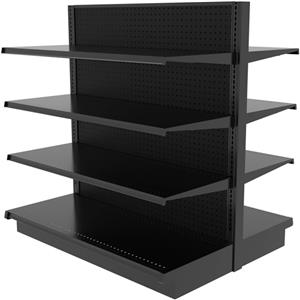
Store fixtures are essential equipment and furniture used in retail spaces to display, organize, and store merchandise. Examples include shelving units, racks, display cases, counters, and hooks.
2. Why are store fixtures important?
Store fixtures enhance the shopping experience by organizing products, improving accessibility, maximizing space, and creating appealing displays that attract customers and boost sales.
3. What types of store fixtures are commonly used?
Common types of store fixtures include:
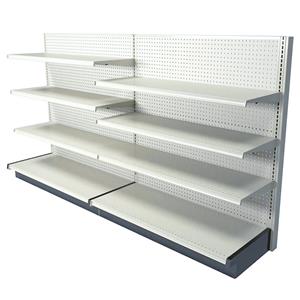
Shelving Units(wall shelves, free-standing shelves, adjustable shelving)
Display Cases (glass cases, countertop cases)
Racks (clothing racks, display racks)
Counters (checkout counters, service counters)
Hooks and Pegboards
End Caps
Signage and Graphics
Mannequins
4. How do I choose the right store fixtures for my retail space?
Consider your merchandise type, store layout, and branding needs. Fixtures should be functional, complement your store's design, and fit within your budget. Evaluate your space to determine the best fixture types and configurations for optimal product presentation and customer flow.
5. Can store fixtures be customized?
Yes, many store fixtures can be customized to align with your store's branding and specific needs. Customization options include materials, colors, sizes, and designs. Collaborating with a fixture supplier or designer can help create fixtures that match your store’s style and functional requirements.
6. How can I maximize space with store fixtures?
Utilize fixtures that optimize vertical space, such as wall-mounted shelves and tall display racks. Modular and adjustable fixtures can adapt to changing merchandise or store layouts. Plan your store layout carefully to ensure efficient use of space and smooth customer flow.
7. How do I maintain store fixtures?
Regularly clean and inspect fixtures to ensure they remain in good condition. Check for wear and tear, and repair or replace damaged parts. Follow manufacturer guidelines for maintenance and cleaning to extend the lifespan of your fixtures.
8. Can store fixtures be used for different types of retail stores?
Yes, store fixtures can be adapted for various retail environments, including clothing stores, electronics shops, grocery stores, and more. The choice of fixtures depends on the specific needs and merchandise of the store.
9. How can store fixtures improve the customer experience?
Well-designed fixtures make products easy to find and browse, enhancing the overall shopping experience. Effective use of fixtures creates an organized, aesthetically pleasing environment that encourages customers to spend more time in the store.
10. Where can I purchase store fixtures?
Store fixtures can be purchased from specialized fixture suppliers, retail equipment stores, or custom fixture manufacturers. Online retailers and local suppliers also offer a wide range of options.