

How to redefine the profit logic of retail stores?
US Retail Rebounds: Why Display Strategy Is Quietly Driving Profits
Short cycle. Fast money.
We’re watching a sharp rebound in US consumption, and it’s not abstract—it's visible in pop up shop displays, store merchandising displays, commercial store shelving, store display tables, and even the most basic shop pop display decisions, all moving faster than most procurement teams can react.
But here’s the uncomfortable truth: most brands are still designing stores like it’s 2019, while consumer behavior in 2026 is brutally impatient, price-sensitive, and experience-driven at the same time. So what actually changed?
Retail Data Isn’t Lying—But It’s Misread
Numbers first.
According to the U.S. Census Bureau retail report, March 2026 retail sales grew 4.8% YoY, with non-store retail slowing while physical store categories like furniture and apparel rebounded strongly. And yes—we’ve seen this before.
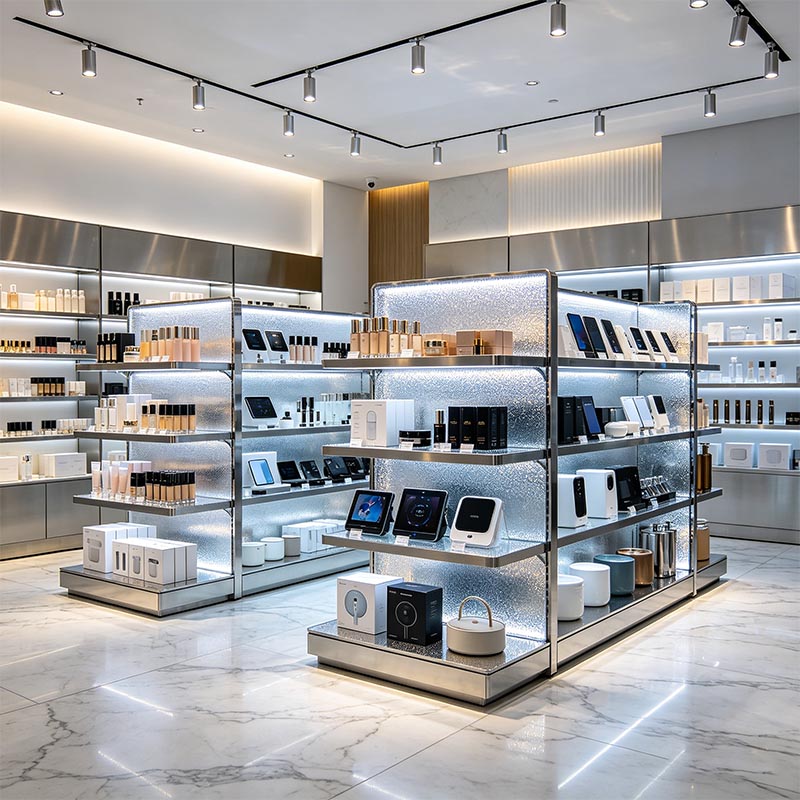
But here’s where most analysts get it wrong. They treat this as a macro recovery story. We don’t. We see it as a fixture-level transformation, where pop up shop displays and store merchandising displays are now the frontline tools for capturing demand spikes.
Why?
Because foot traffic is volatile. And when traffic is unstable, conversion efficiency inside the store becomes everything.
What Nike and Target Quietly Changed
Real examples matter.
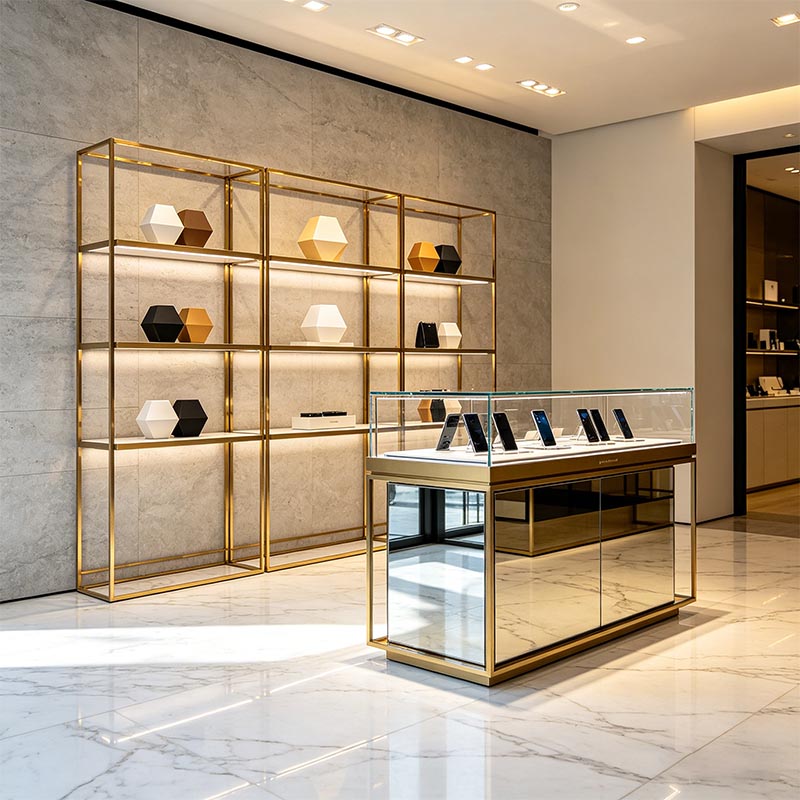
In late 2025, Nike’s retail strategy shift pushed more localized retail formats—temporary zones, modular layouts, and rapid refresh cycles. That’s code for aggressive use of pop up shop displays and flexible store display tables.
Target did something similar. According to Bloomberg coverage on Target merchandising reset, they increased seasonal floor resets from quarterly to monthly in select stores. That’s not a marketing move—it’s a fixture supply chain decision tied directly to commercial store shelving adaptability.
We’ve built similar systems. And yes, clients resist at first. Then they see the numbers.
Why Static Fixtures Are Losing Money
Three words. Dead inventory zones.
Traditional commercial store shelving locks product into predictable patterns. But consumers in 2026 don’t follow predictable paths—they scan, pivot, abandon, and return.
So we started pushing clients toward:
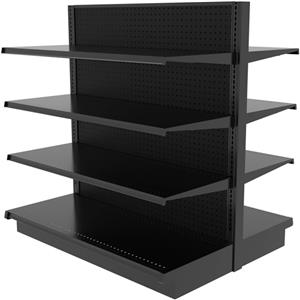
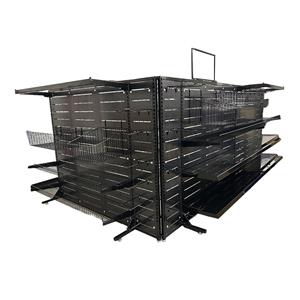
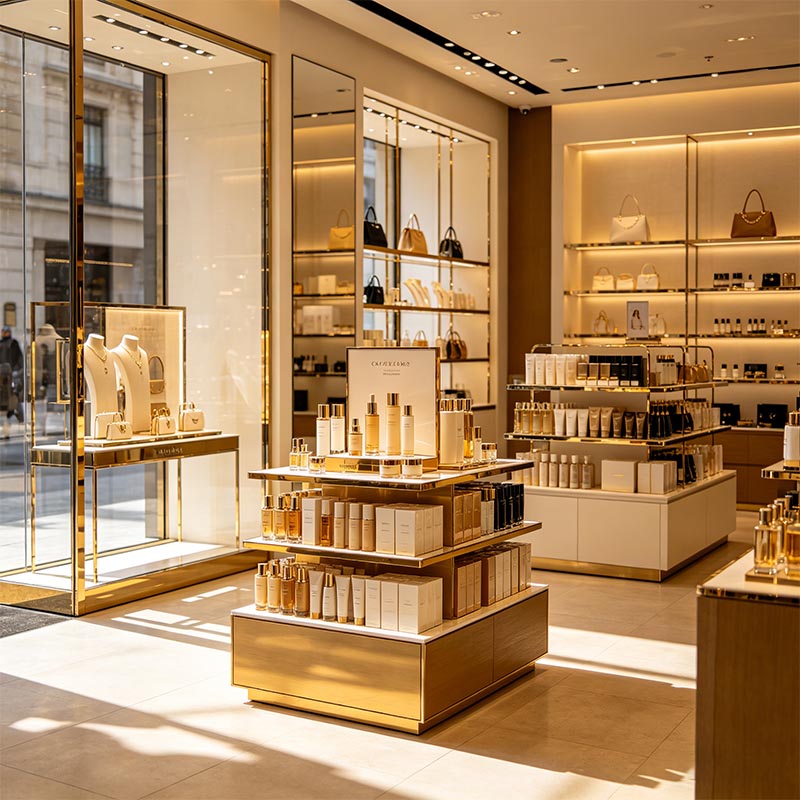
Modular commercial store shelving
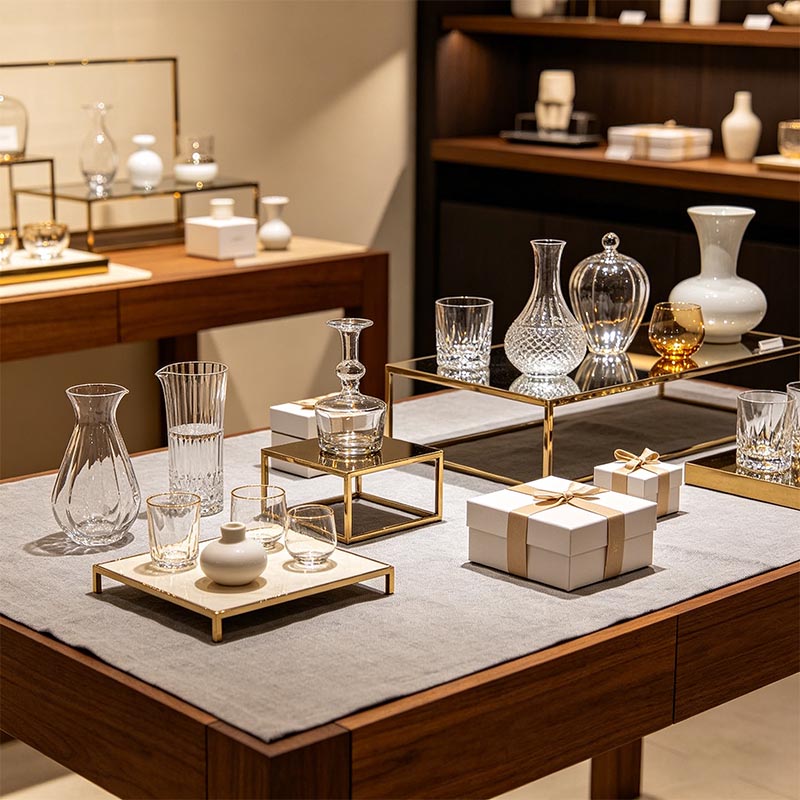
Lightweight store display tables
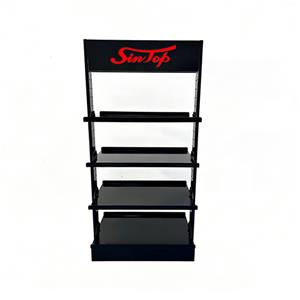
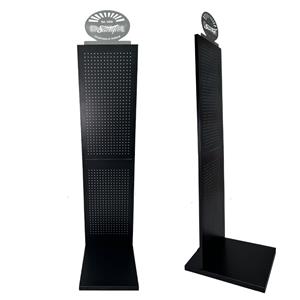
Rapid-deploy shop pop display units
And the result?
In one mid-size US apparel chain we worked with (2025 Q4), switching 35% of floor space to pop up shop displays increased conversion rate by 18.6% in just 60 days. No price changes. No promotions. Just better merchandising flow.
The Economics Behind Display Decisions
Let’s break it down.
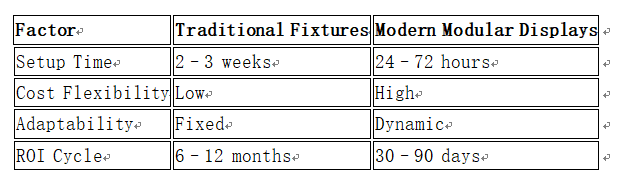
Short cycles win.
And when inflation pressure still lingers (US CPI averaged 3.1% in early 2026 per BLS data), retailers simply cannot afford slow ROI fixtures anymore. That’s why store merchandising displays and shop pop display systems are becoming procurement priorities, not afterthoughts.
What Buyers Are Asking Us in 2026
Direct questions. No filters.
“Can we redeploy this in 3 stores within a week?”
“Will this commercial store shelving fit both cosmetics and apparel?”
“How fast can we redesign store display tables for a holiday campaign?”
And the most honest one:
“Are we overinvesting in permanent fixtures?”
Answer: yes.
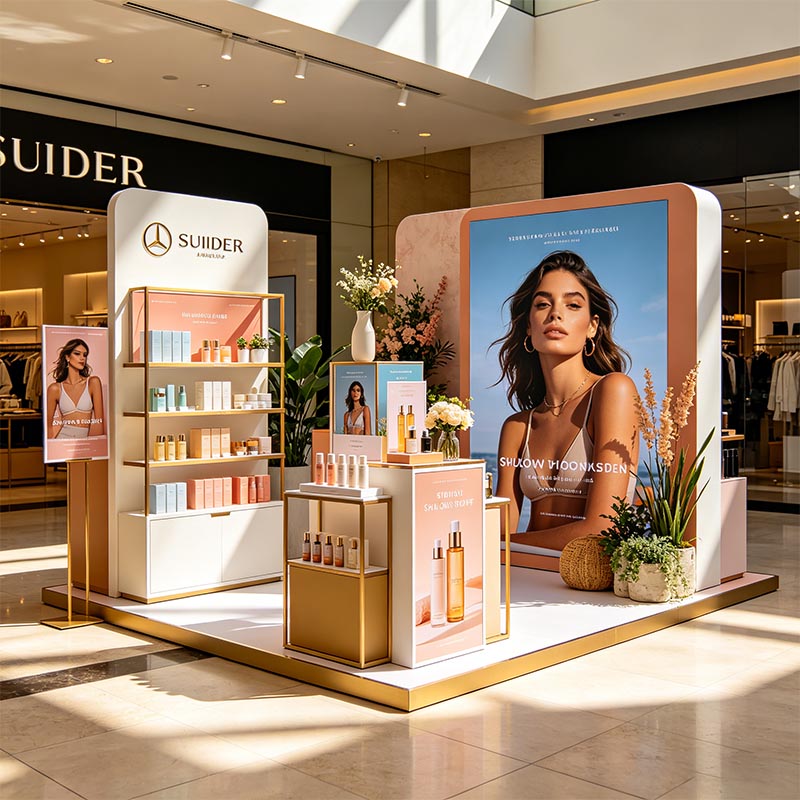
We’ve seen too many retailers stuck with expensive, rigid store merchandising displays that simply cannot react to fast product turnover cycles. Meanwhile, brands using pop up shop displays are testing SKUs, adjusting layouts, and scaling winners—weekly.
FAQs
What are pop up shop displays and why are they critical in 2026?
Pop up shop displays are temporary, modular retail fixtures designed for rapid deployment and flexible merchandising, typically used for short-term campaigns, seasonal promotions, or product testing, allowing retailers to react quickly to demand changes while minimizing long-term investment risks.
How do store merchandising displays impact sales performance?
Store merchandising displays are physical systems used to present products in a way that influences customer behavior, and in 2026 they directly affect conversion rates by improving visibility, guiding in-store movement, and enabling faster product rotation aligned with real-time demand signals.
Why is commercial store shelving evolving so quickly?
Commercial store shelving is shifting from static storage to dynamic merchandising infrastructure because retailers now require fixtures that support frequent layout changes, multi-category usage, and faster ROI cycles driven by fluctuating consumer demand patterns.
Are store display tables still relevant in modern retail?
Store display tables remain essential because they provide high-visibility product placement and flexibility, especially when designed as lightweight, movable units that support pop up shop displays and quick merchandising resets.
What is a shop pop display in practical terms?
A shop pop display is a compact, point-of-purchase fixture used to highlight specific products or promotions, often placed in high-traffic areas to trigger impulse buying and support short-term sales campaigns with minimal setup time.
Final Word
We’ve been in this industry long enough to say it plainly.
Retail recovery is real—but uneven. And the winners won’t be those with bigger stores, but those with faster, smarter display systems built around pop up shop displays, store merchandising displays, commercial store shelving, store display tables, and shop pop display execution.
If you’re still buying fixtures like capital assets, you’re already behind.
CTA:
Need faster retail rollout? Talk to us. We design, prototype, and mass-produce pop up shop displays, store merchandising displays, commercial store shelving, store display tables, and shop pop display systems built for speed, not tradition.
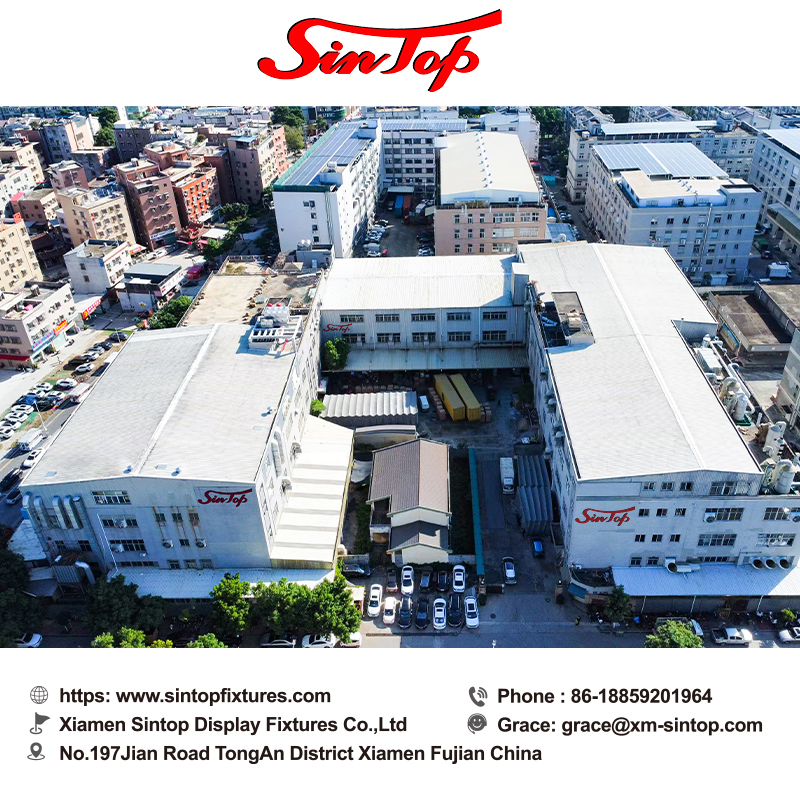
Sintop’s Value
At Sintop, we help retailers respond to fast-changing demand with flexible and scalable display solutions.
We specialize in designing pop up shop displays, optimizing store merchandising displays, and engineering modular commercial store shelving systems that adapt to multiple product categories.
Our solutions include lightweight store display tables and rapid-deployment shop pop display units, enabling faster store resets, improved merchandising efficiency, and stronger in-store conversion.
From concept to mass production, we support retailers with speed, flexibility, and real execution power.

Contact information
Website: www.sintopfixtures.com
Wechat/WhatsApp: +86 15980885084
Email: elly@xm-sintop.com
FAQ
1. What types of display racks can Sintop provide?
We offer a wide range of custom retail display racks, including metal display racks, wooden display stands, Gondola shelving, grid panels, and mixed-material solutions, tailored to your store layout and brand identity.
2. Can I order a single unit or prototype?
Yes, no minimum order is required. We can produce prototypes or single units as well as large-volume orders.
3. How long does it take to receive an order?
New items: 3–5 weeks for tooling and production.
Reorders: 2–4 weeks depending on product type.
We are flexible and strive to meet your required delivery dates.
4. Can Sintop handle OEM or ODM projects?
Yes, we specialize in OEM and ODM solutions, turning your ideas or drawings into custom, high-quality display racks.
5. How does Sintop ensure quality?
Every display rack undergoes material inspection, welding and structural checks, surface finish testing, and final assembly inspection to ensure durability, safety, and visual appeal.