

Why are small-sized homes driving the rapid growth of modular wardrobes?
Small Apartments Driving Modular Wardrobes Growth: Why Space Is Now the Real Currency
Small rooms. Tight margins.
We are watching modular wardrobe systems rise fast in US and European cities, where space saving wardrobes, adjustable wardrobe storage, wooden wardrobes, and built in wardrobes are no longer design preferences but survival responses to shrinking residential footprints and rising renovation costs that force both developers and buyers to rethink how every centimeter is used, and why traditional furniture layouts no longer survive modern housing pressure.
And we have seen this shift before, just never this aggressive.
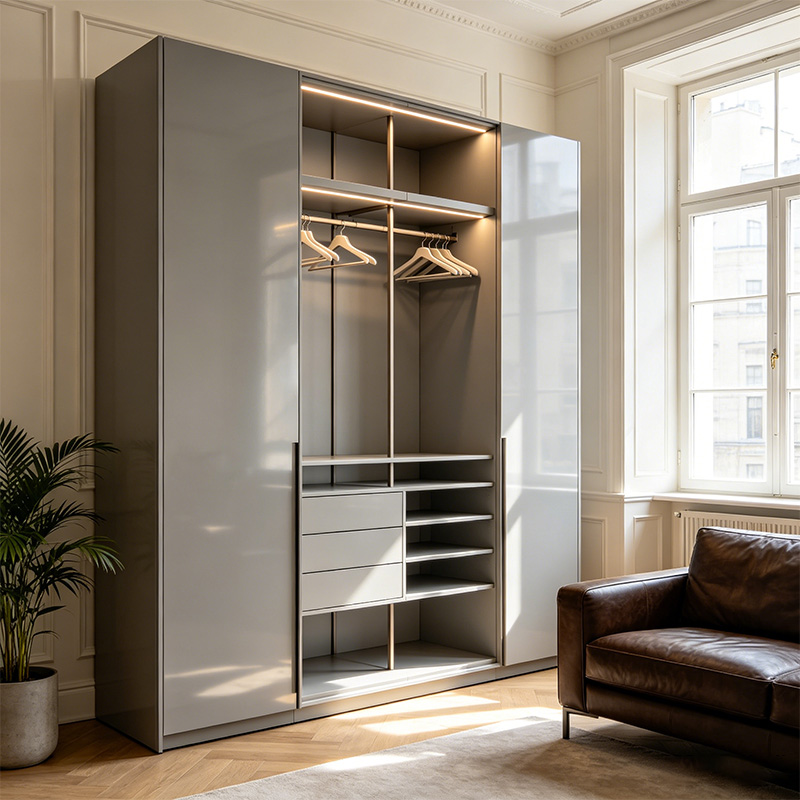
Urban Compression and Modular Wardrobe Systems Demand
modular wardrobe systems are expanding because housing units in cities like New York, Berlin, and Paris continue shrinking, while household expectations for storage remain unchanged, forcing designers to replace traditional cabinets with space saving wardrobes that adapt to irregular layouts and tight bedroom geometries.
We worked on a project where built in wardrobes replaced entire bedroom wall structures.
No exaggeration.
According to US Census Bureau housing data 2025, average apartment size in major metro areas has declined by nearly 8–12% over the last decade, directly pushing demand for adjustable wardrobe storage solutions that can be reconfigured after installation.
So what happens when walls stop growing but belongings don’t shrink?
Space Saving Wardrobes as Architectural Necessity
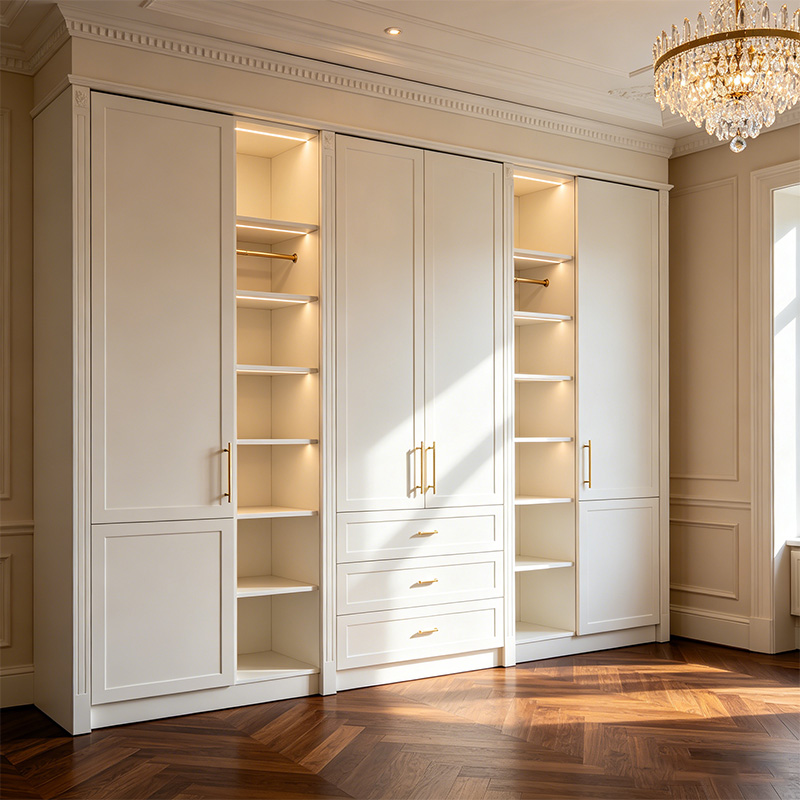
space saving wardrobes are no longer considered furniture items; they behave like embedded architectural systems, especially when integrated into built in wardrobes that run floor-to-ceiling and eliminate unused vertical voids in compact bedrooms.
We often tell clients bluntly: flat-pack logic no longer works in dense housing.
Because modular wardrobe systems must now adapt to structural constraints like beams, HVAC ducts, and uneven wall geometry, while still maintaining visual consistency with wooden wardrobes finishes that dominate residential interior demand.
A 2025 report from Harvard Joint Center for Housing Studies confirms that renovation spending is increasingly focused on storage efficiency rather than decorative upgrades.
And that tells us something simple: function is now value.
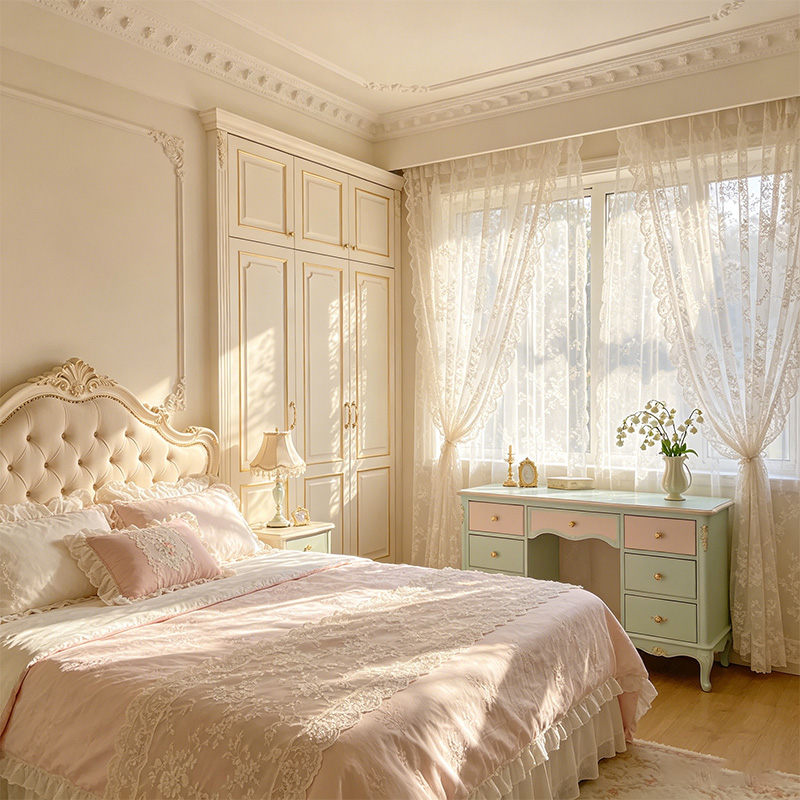
Adjustable Wardrobe Storage and User Behavior Shift
adjustable wardrobe storage reflects a behavioral change, not just a design upgrade, because users now expect space saving wardrobes to evolve with their lifestyle changes, from seasonal clothing shifts to multi-user household configurations.
We saw a buyer in Amsterdam completely reconfigure built in wardrobes three times in one year.
That would have been impossible with fixed cabinetry.
modular wardrobe systems solve this by allowing shelf height changes, drawer repositioning, and internal segmentation without rebuilding the structure, while wooden wardrobes maintain visual warmth that prevents interiors from feeling overly industrial.
Is flexibility now more valuable than permanence?
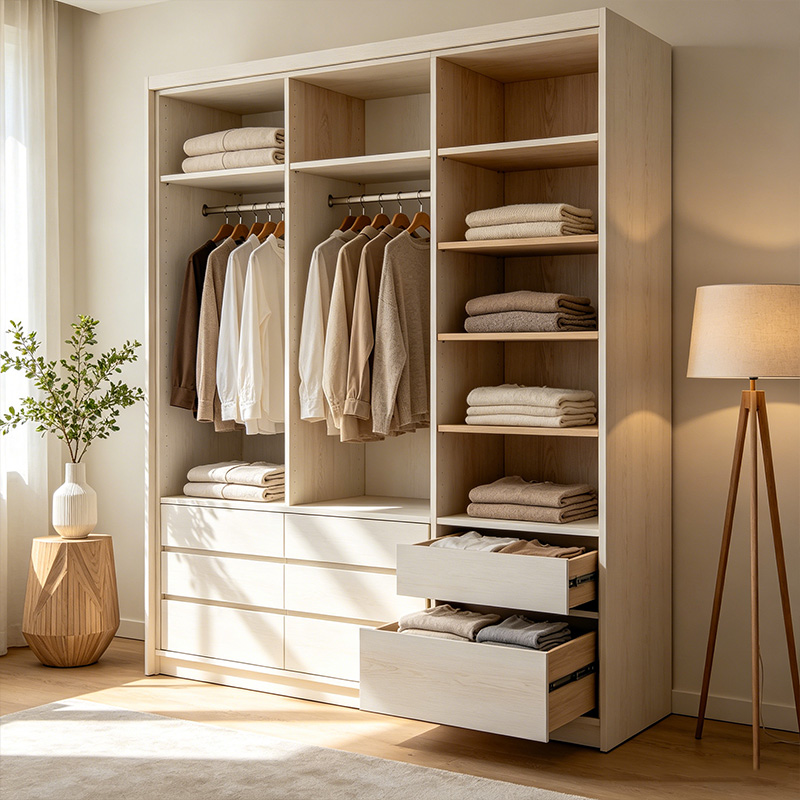
Wooden Wardrobes and Material Economics
wooden wardrobes are regaining dominance because they balance cost, durability, and visual stability, especially when used in built in wardrobes where surface continuity matters more than decorative detail, and where space saving wardrobes must blend into architectural lines rather than stand apart.
We have noticed wholesale buyers shifting away from glossy laminates.
Not because they are cheaper or more expensive, but because modular wardrobe systems built with wood textures survive design cycles longer in rental-heavy markets like London and Los Angeles.
According to Statista furniture material trends 2025, wood-based storage products continue to hold the largest share in residential wardrobe production.
That is not trend talk. That is procurement behavior.
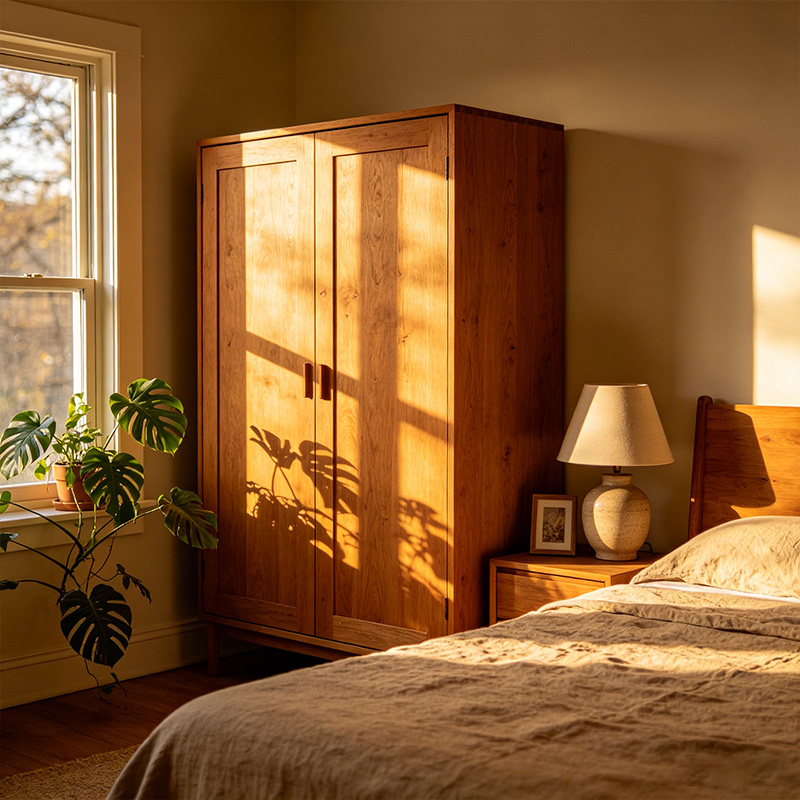
Built In Wardrobes and Manufacturing Pressure
built in wardrobes are now the most complex product category for any wardrobe manufacturer because they combine installation precision, structural adaptation, and mass customization while still needing to align with space saving wardrobes standards demanded by urban developers.
We have seen factories struggle here.
Because modular wardrobe systems require CNC precision at millimeter level, adjustable wardrobe storage requires mechanical reliability testing, and wooden wardrobes demand consistent grain matching across large production batches.
And yet pricing pressure keeps rising.
That contradiction defines 2026 production reality.
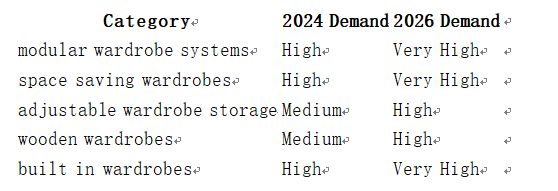
Data Table: Wardrobe Demand Shift (2024–2026)
FAQs
What are modular wardrobe systems?
modular wardrobe systems are flexible storage structures designed with interchangeable components that allow users to adjust layout, size, and internal organization, making them ideal for compact apartments and evolving household needs.
Why are space saving wardrobes growing in demand?
space saving wardrobes are growing because urban apartments are shrinking while storage needs remain stable, pushing buyers toward built in wardrobes that maximize wall usage and vertical space efficiency.
What is adjustable wardrobe storage used for?
adjustable wardrobe storage allows users to change shelf heights, drawer positions, and internal divisions, making storage systems adaptable to seasonal and lifestyle changes without structural reconstruction.
Are wooden wardrobes still relevant in modern design?
wooden wardrobes remain highly relevant because they provide durability, warmth, and visual stability, especially in built in wardrobes where material consistency supports long-term residential use.
CTA
If your sourcing focus includes modular wardrobe systems, space saving wardrobes, adjustable wardrobe storage, wooden wardrobes, or built in wardrobes, the real advantage is not design variety—it is manufacturing precision and supply chain reliability from a trusted wardrobe manufacturer.
Sintop’s Value
At Sintop Fixtures, we manufacture scalable modular wardrobe systems and built in wardrobes designed for modern residential projects, furniture retailers, and global developers.
Our manufacturing strengths include:
Custom space saving wardrobes for compact apartments
Flexible adjustable wardrobe storage systems
Durable wooden wardrobes with modern finishes
Precision CNC production for built in wardrobes
OEM & ODM solutions for wardrobe manufacturers and distributors
Export-ready flat-pack packaging for global shipping
We help clients combine functionality, aesthetics, and manufacturing consistency for today’s fast-growing urban housing market.

Contact information
Website: www.sintopfixtures.com
Wechat/WhatsApp: +86 15980885084
Email: elly@xm-sintop.com
FAQ
1. What types of display racks can Sintop provide?
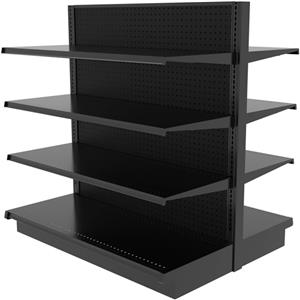
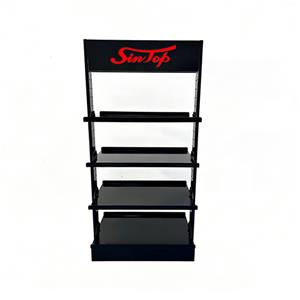
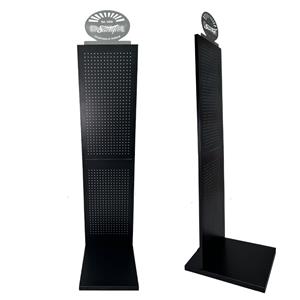
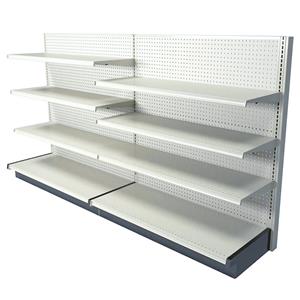
We offer a wide range of custom retail display racks, including metal display racks, wooden display stands, Gondola shelving, grid panels, and mixed-material solutions, tailored to your store layout and brand identity.
2. Can I order a single unit or prototype?
Yes, no minimum order is required. We can produce prototypes or single units as well as large-volume orders.
3. How long does it take to receive an order?
New items: 3–5 weeks for tooling and production.
Reorders: 2–4 weeks depending on product type.
We are flexible and strive to meet your required delivery dates.
4. Can Sintop handle OEM or ODM projects?
Yes, we specialize in OEM and ODM solutions, turning your ideas or drawings into custom, high-quality display racks.
5. How does Sintop ensure quality?
Every display rack undergoes material inspection, welding and structural checks, surface finish testing, and final assembly inspection to ensure durability, safety, and visual appeal.