

Why Experiential Retail Displays Are Becoming Essential for Modern Stores in 2026
Is Experiential Retail Reshaping Store Fixtures in 2026?
Experiential retail displays, custom store fixtures, retail merchandising displays, visual merchandising solutions, retail display manufacturer are no longer experimental vocabulary. They are operational requirements shaping how stores are built, how customers move, and how brands sell. We have watched this shift for years, and one pattern repeats without exception: when foot traffic slows, retailers stop fixing shelves and start rebuilding experience layers.
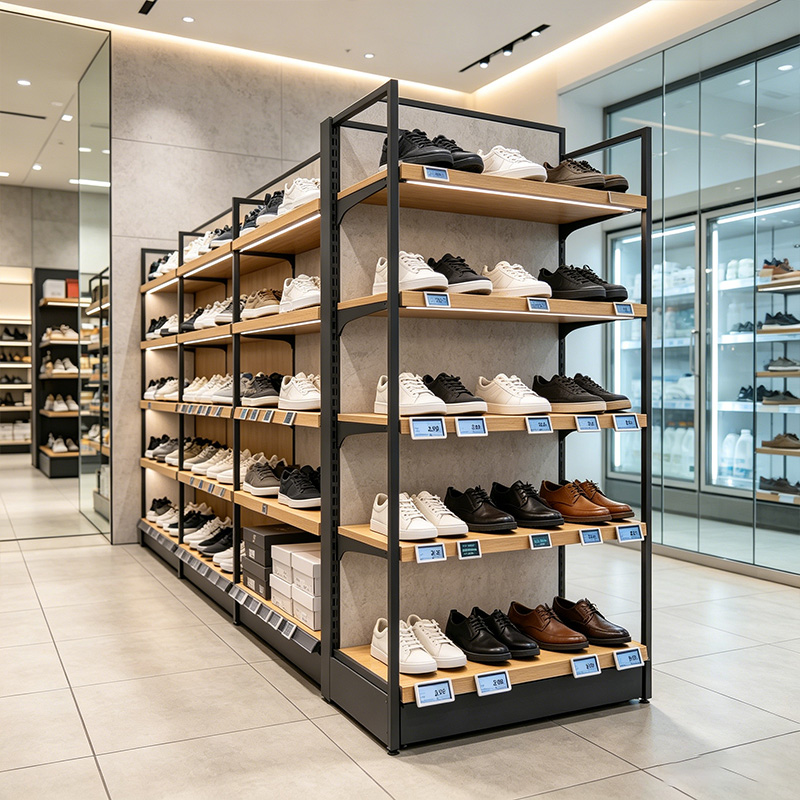
Why Experiential Retail Is Accelerating in US and EU Markets
Fast change.
Retailers in the US and Europe are shifting budget away from static shelving toward experiential retail displays that merge storytelling, lighting, and spatial design, while custom store fixtures become the structural base that supports interaction zones, product demo areas, and flexible merchandising layouts that adapt to seasonal campaigns and local consumer behavior. Why are traditional layouts still surviving when conversion rates depend on experience?
According to Reuters retail sector analysis, EU retailers increased in-store experience investment by nearly 15% in 2025 as part of post-pandemic recovery strategies and labor optimization.
We see it directly in sourcing behavior. Retail merchandising displays are no longer ordered as single units. They are ordered as systems.
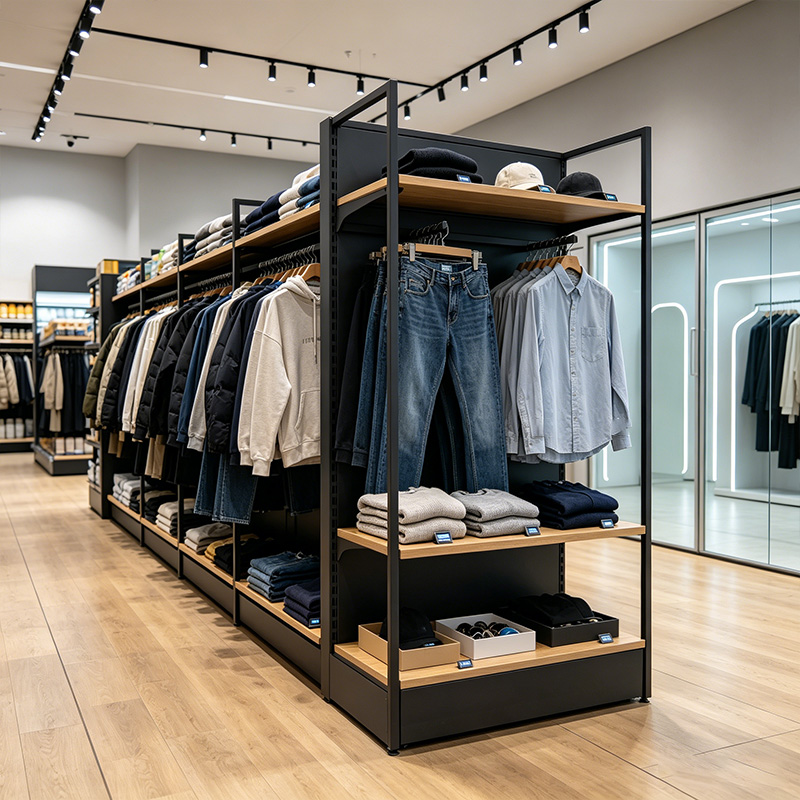
Custom Store Fixtures Are Becoming Experience Infrastructure
Heavy shift.
Custom store fixtures now function as infrastructure for experiential retail displays, meaning structure is no longer passive but active in shaping customer movement, visual hierarchy, and product engagement flow, especially when visual merchandising solutions require synchronized lighting, material contrast, and modular adaptability across multiple store formats.
A recent Bloomberg retail infrastructure report noted that retailers investing in experiential formats reported up to 20% longer customer dwell time in pilot stores during 2025 trials.
We have personally seen buyers reject standard shelving systems. They ask for retail display manufacturer capability that integrates wood, metal, acrylic, and lighting in one production flow. That is not a design trend. That is operational pressure.
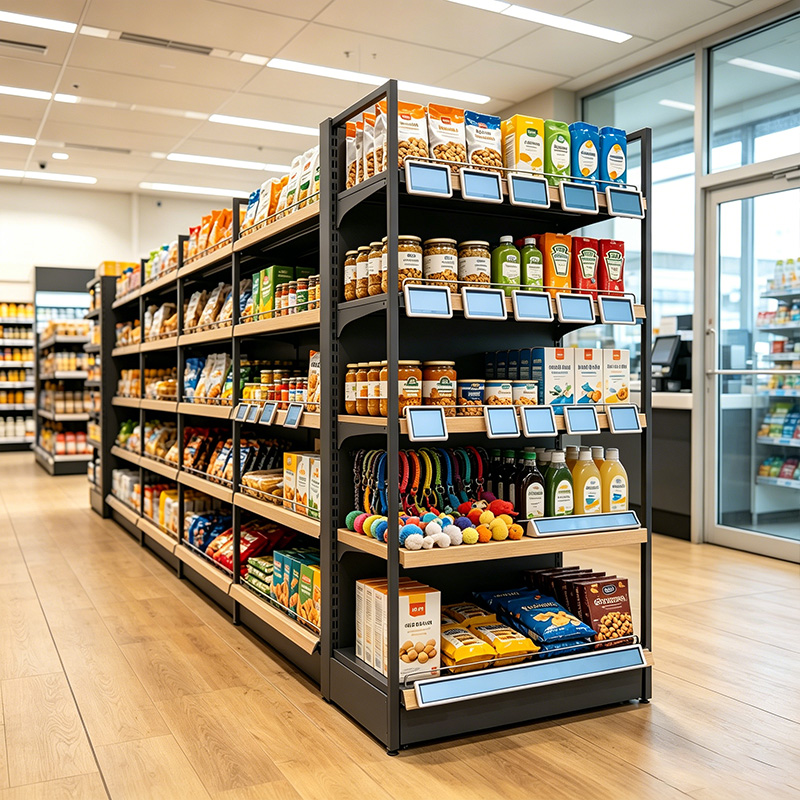
Retail Merchandising Displays and the Shift in Consumer Behavior
No passive browsing.
Retail merchandising displays are evolving into interactive zones where customers engage physically and visually with products, while experiential retail displays guide attention through structured movement paths that rely heavily on visual merchandising solutions to control focus, spacing, and product storytelling across different retail categories.
According to the U.S. Census Bureau retail data, discretionary retail categories continue to rely more on in-store engagement rather than pure digital conversion.
From our factory perspective, custom store fixtures now need to support repeated reconfiguration. Static systems fail quickly. Retail merchandising displays must evolve with campaigns, not resist them.
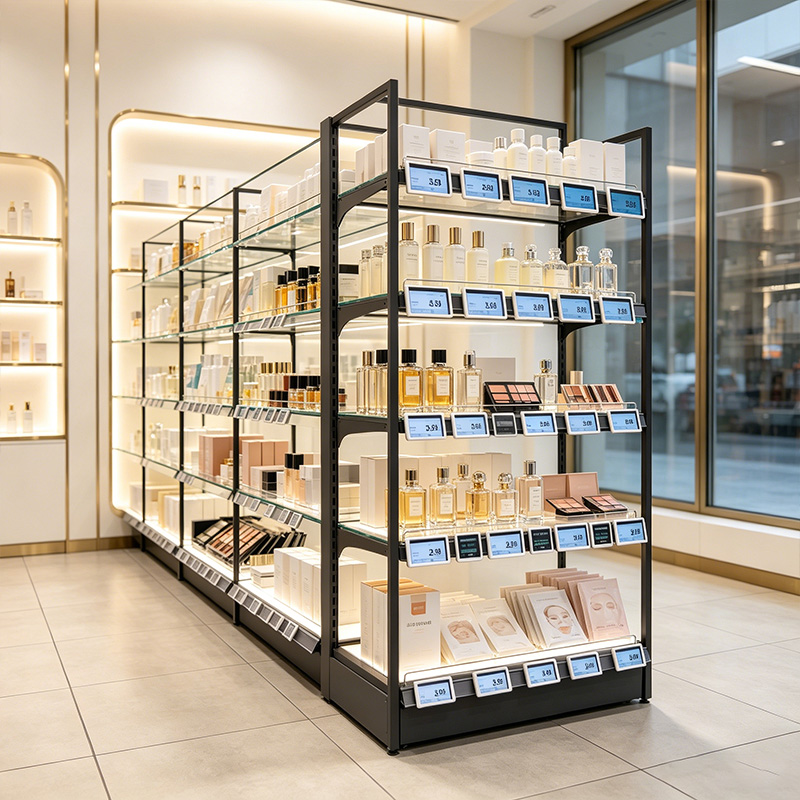
The Role of Retail Display Manufacturer in Global Supply Chains
Pressure rises.
A retail display manufacturer is no longer just a production unit but a system integrator responsible for turning experiential retail displays into scalable physical environments, where custom store fixtures must be engineered for logistics efficiency, installation speed, and consistent visual merchandising solutions across international store networks.
We often hear a direct demand from buyers: reduce supplier fragmentation. One factory. One system. One responsibility line.
That is why OEM metal & wood display fixtures factory capacity in China is increasingly tied to global rollouts of experiential retail programs.
Visual Merchandising Solutions Are Driving Store Redesign
Design shift.
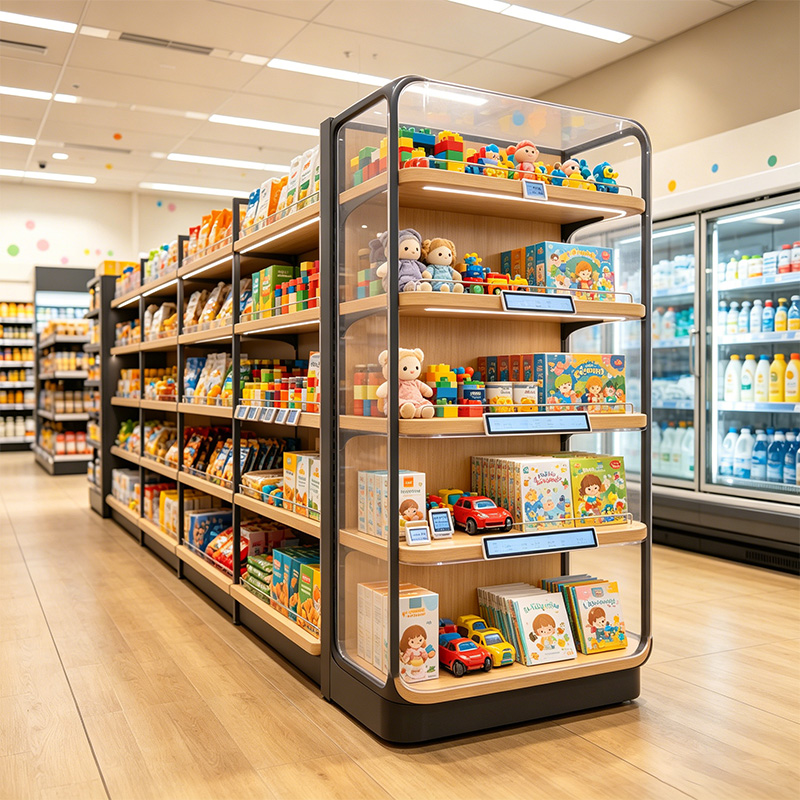
Visual merchandising solutions are now dictating how retail merchandising displays are positioned, lit, and rotated, while experiential retail displays require coordinated design logic that connects product storytelling, customer flow, and fixture engineering into one operational framework that retail display manufacturer teams must execute at scale.
| Store Requirement | Fixture Response |
|---|---|
| Experience zones | experiential retail displays |
| Modular structure | custom store fixtures |
| Product engagement | retail merchandising displays |
| Brand storytelling | visual merchandising solutions |
| Integrated production | retail display manufacturer |
The direction is consistent. Retailers want fewer parts, but stronger system logic.
FAQ
What are experiential retail displays?
Experiential retail displays are store-based systems designed to create immersive shopping environments using spatial design, lighting, and interactive product presentation that influence customer movement and engagement in physical retail spaces.
Why are custom store fixtures important in experiential retail?
Custom store fixtures provide the structural foundation for experiential retail displays, allowing retailers to design flexible layouts, integrate branding elements, and support changing merchandising strategies in physical stores.
How do retail merchandising displays affect customer behavior?
Retail merchandising displays guide product visibility and customer attention through structured presentation methods that increase engagement, improve product discovery, and influence purchasing decisions in retail environments.
What are visual merchandising solutions used for?
Visual merchandising solutions are design and engineering approaches used to control how products are displayed, lit, and arranged in stores to improve visual impact and customer interaction with merchandise.
What does a retail display manufacturer do?
A retail display manufacturer designs and produces physical retail systems including fixtures, shelving, and display structures that support merchandising strategies, brand presentation, and store layout execution.
Work With a Global Fixture Partner
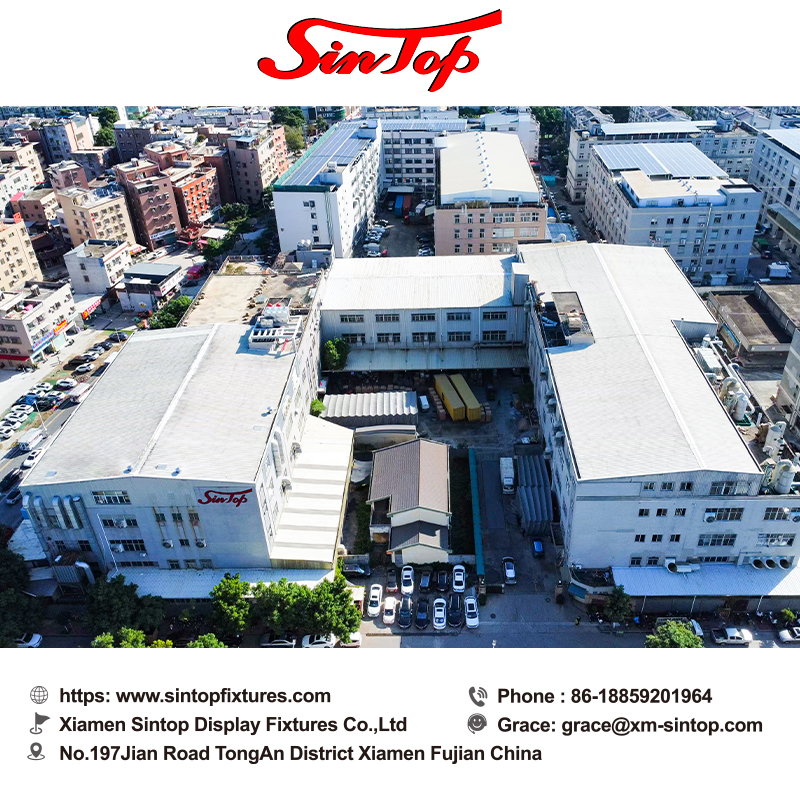
Xiamen Sintop Display Fixtures Co., Ltd. has supported international retail programs since 2002, specializing in experiential retail displays, custom store fixtures, retail merchandising displays, visual merchandising solutions, and integrated retail display manufacturer services.
We build systems, not just shelves.

Contact information
Website: www.sintopfixtures.com
Wechat/WhatsApp: +86 15980885084
Email: elly@xm-sintop.com
FAQ
1. What types of display racks can Sintop provide?
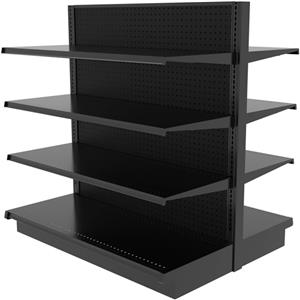
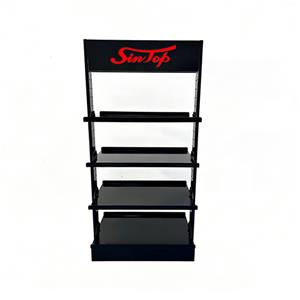
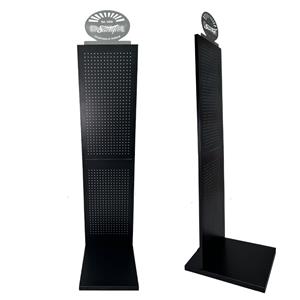
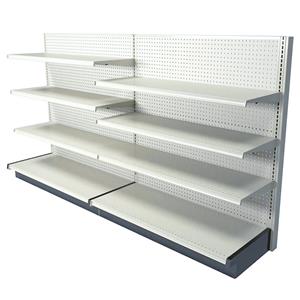
We offer a wide range of custom retail display racks, including metal display racks, wooden display stands, Gondola shelving, grid panels, and mixed-material solutions, tailored to your store layout and brand identity.
2. Can I order a single unit or prototype?
Yes, no minimum order is required. We can produce prototypes or single units as well as large-volume orders.
3. How long does it take to receive an order?
New items: 3–5 weeks for tooling and production.
Reorders: 2–4 weeks depending on product type.
We are flexible and strive to meet your required delivery dates.
4. Can Sintop handle OEM or ODM projects?
Yes, we specialize in OEM and ODM solutions, turning your ideas or drawings into custom, high-quality display racks.
5. How does Sintop ensure quality?
Every display rack undergoes material inspection, welding and structural checks, surface finish testing, and final assembly inspection to ensure durability, safety, and visual appeal.