

Why Is U.S. Retail Display Moving Toward Experience in 2026?
The easy prediction was that e-commerce would steadily make physical retail less important. The latest market data tells a more complicated story.
Reuters reported in August that U.S. retail sales fell 0.6% in July, the first monthly decline in nine months, while year-over-year sales were still 5% higher. The result points to a consumer who has not stopped spending but is becoming more selective.
That distinction matters.
When consumers have less patience for unnecessary spending, a physical store has to give them a reason to enter, browse and buy. A store that simply replicates an online product catalogue has a weak proposition.
This is where experiential retail displays become commercially relevant.
A modern display has several jobs at once:
present the product;
communicate the brand;
create visual interest;
guide customer movement;
encourage interaction;
support cross-selling;
make the shopping journey easier.
That changes the role of visual merchandising.
The old model was simple:
display = put product on shelf.
The new model is closer to:
display = product + brand + information + interaction + journey.
For manufacturers, this means custom store fixtures are increasingly being designed around shopper behaviour rather than dimensions alone. Interactive retail displays can add digital information, product comparison or guided discovery, while retail display design determines how all these elements work together without turning the store into a technology exhibition.
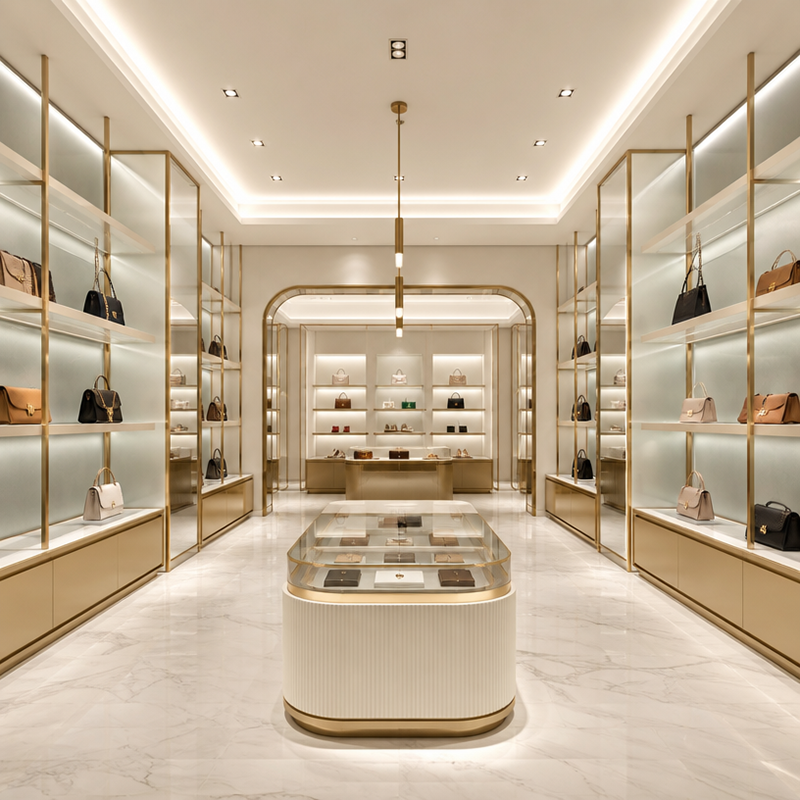
From Product Display to Customer Experience
There is a commercial reason retailers are investing in experience.
Target's latest results provide a useful example. Reuters reported that Target's second-quarter comparable sales increased 3.8%, with traffic up and digital sales rising 8.7%. The company is also investing in merchandise improvements, beauty studios and inventory technology as part of its turnaround strategy.
Reuters separately reported that Target's grocery sales increased 7% in the quarter, with the retailer using product placement and a stronger grocery offer to generate more store traffic.
The lesson for fixture manufacturers is important: where products are placed can be as important as what products are sold.
Good visual merchandising creates hierarchy. Customers should immediately understand what is new, what is valuable, what belongs together and where they should go next.
That requires more than a standard shelf.
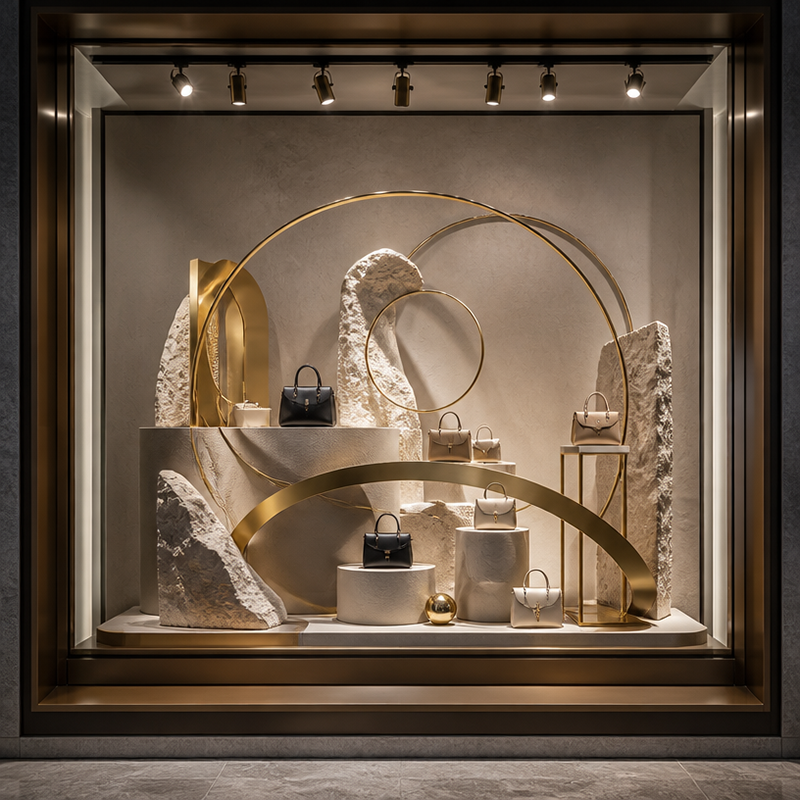
Custom store fixtures can create dedicated brand zones, discovery areas, category statements and promotional environments. Experiential retail displays can combine shelving, graphics, lighting, materials and digital content into a single merchandising system.
The strongest retail display design is not necessarily the most complicated.
It is the design that removes friction from the shopping process.
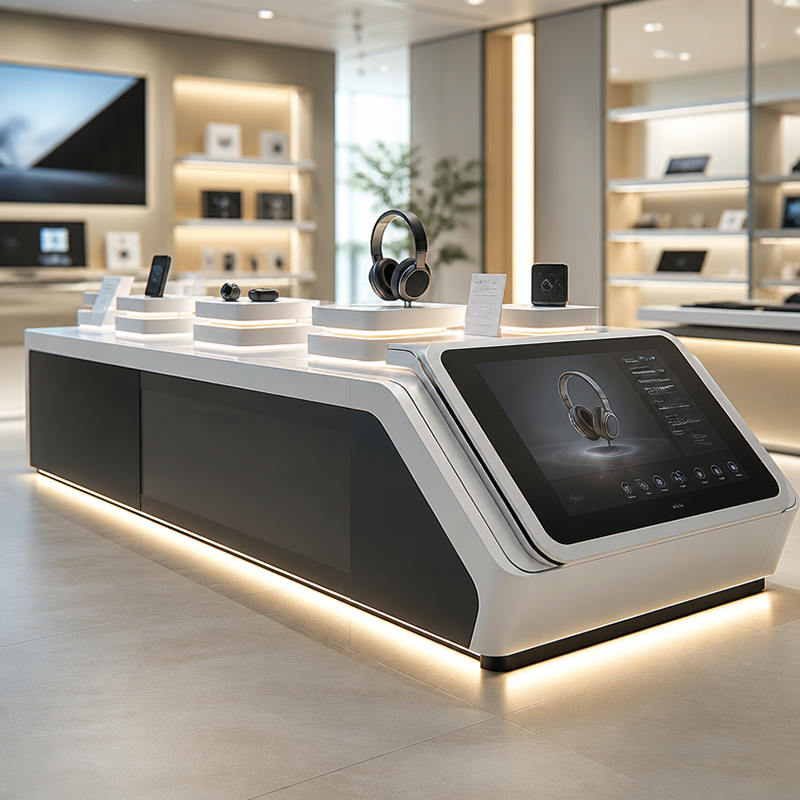
What the European Heatwave Reveals About Physical Retail
The 2026 European heatwave provides a useful warning for U.S. retailers.
BRC-Sensormatic data showed that UK retail footfall fell 3.4% year over year in June. High-street footfall dropped 6.2%, while shopping-centre footfall fell 2.5%. BRC said record heat kept many shoppers indoors, while air-conditioned shopping centres and retail parks were more resilient.
July remained difficult. Total UK footfall declined 2.1% year over year, high-street traffic fell 3.8%, and shopping-centre footfall declined 1.4%. Retail parks, however, recorded 1.2% growth. BRC said extreme heat continued to discourage shopping trips.
BRC's July sales data adds another layer. Total retail sales increased 1.3% year over year, but non-food sales fell 0.7%. In-store non-food sales declined 1.9%, while online non-food sales increased 1.3%.
The June data showed an even clearer online shift: UK online non-food sales increased 5.1% year over year, while in-store non-food sales decreased 1.1%.
For display professionals, the lesson is not simply that hot weather hurts footfall.
It is that the physical store has to earn the visit.
If shoppers make fewer trips, every visit becomes more valuable. Experiential retail displays can give customers something they cannot get from a product page: physical interaction, scale, material quality, trial, discovery and social experience.
That makes interactive retail displays more useful when they solve a genuine customer problem rather than simply adding a screen.
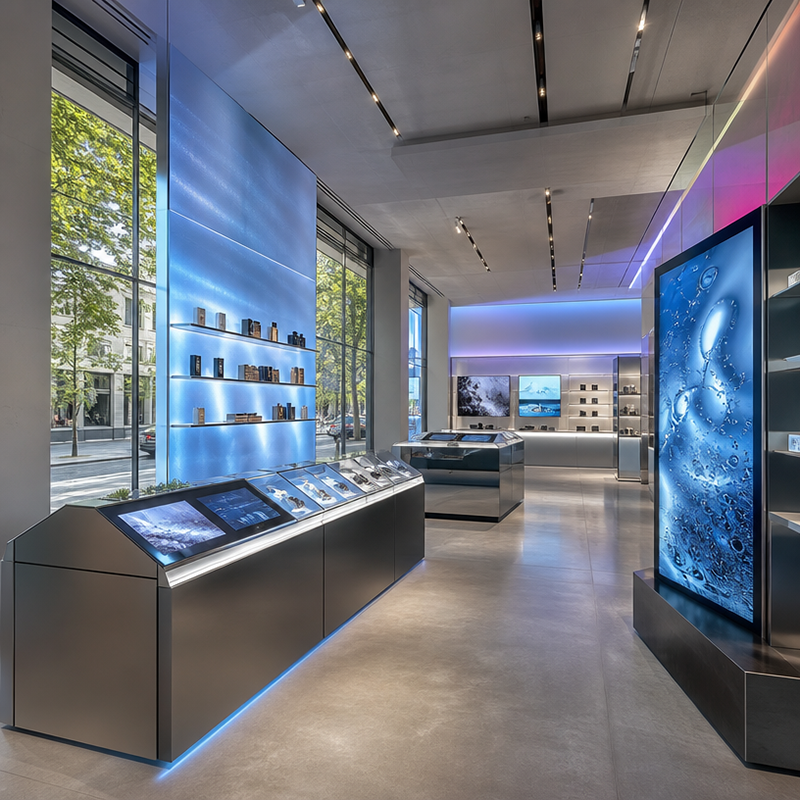
What Should Modern Retail Display Design Deliver?
Retailers should be careful about confusing “experience” with expensive technology.
A $10,000 screen does not automatically create a better shopping experience.
In many projects, better retail display design comes from simpler decisions: product height, sightlines, lighting, tactile materials, clear category separation and intuitive customer flow.
| Customer objective | Display approach | Fixture opportunity |
|---|---|---|
| Discover products | layered merchandising | custom store fixtures |
| Compare products | accessible product presentation | modular display structures |
| Understand the brand | graphics + materials | branded fixture systems |
| Interact with products | trial zones | interactive retail displays |
| Navigate the store | visual hierarchy | retail display design |
| Encourage impulse purchases | high-visibility placement | experiential retail displays |
This is where manufacturing expertise becomes important.
Custom store fixtures must be engineered for stability, installation and repeated use. Interactive retail displays need cable management, device mounting and maintenance access if technology is included.
Meanwhile, visual merchandising still has to work when the screen is switched off.
That is an important test.
If a fixture only works because of a digital screen, the retailer may have purchased technology rather than merchandising infrastructure.
A stronger approach is to create a physical display system that works independently, then use digital components to extend the experience.
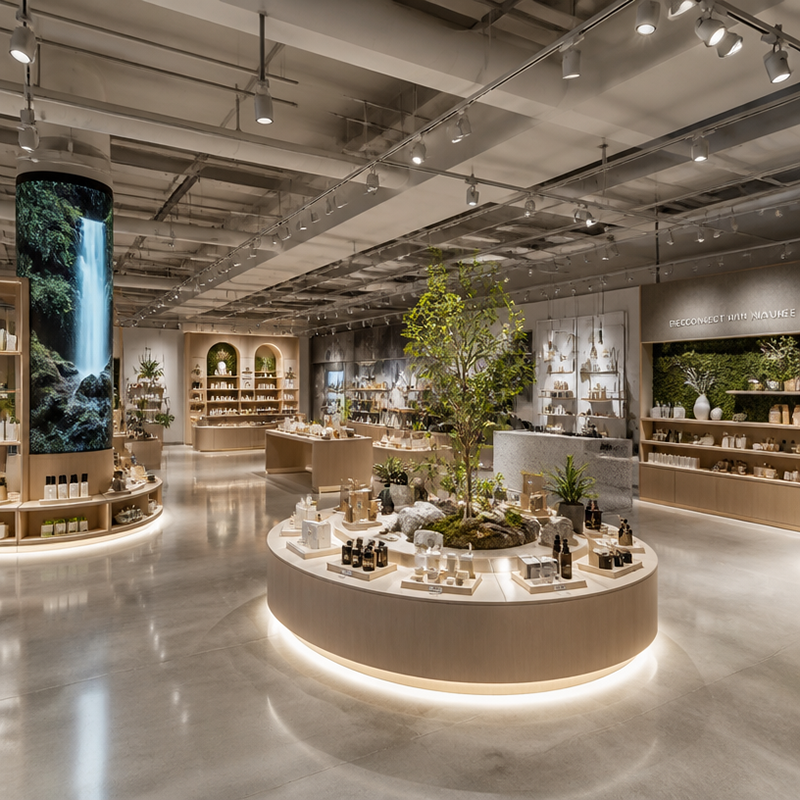
Sintop's Approach to Experience-Driven Fixtures
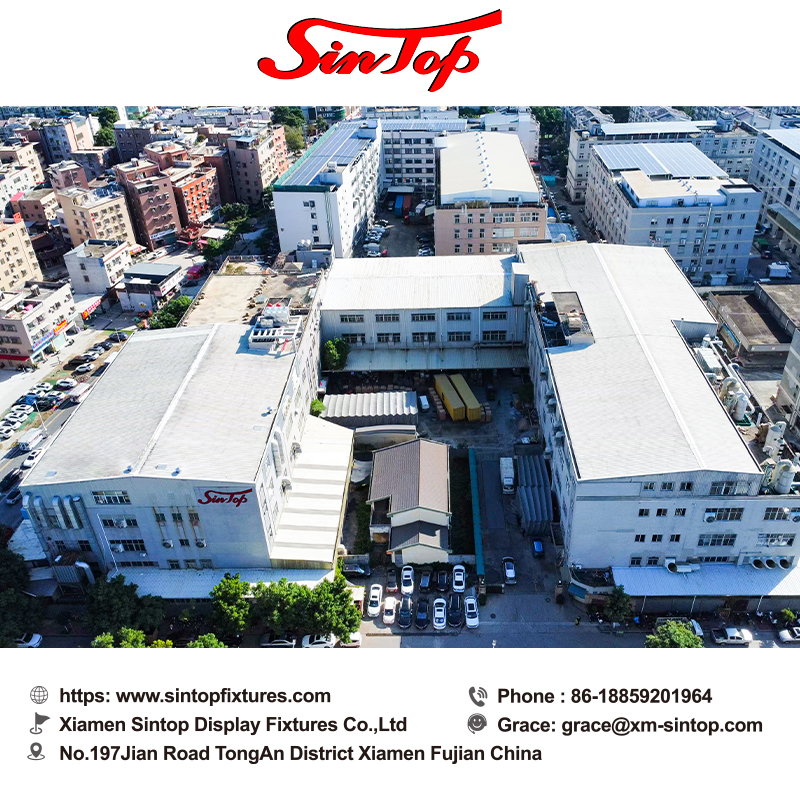
Sintop has manufactured retail fixtures since 2002 and provides OEM and ODM production for international retail projects. Its capabilities cover metal fabrication, wood processing, welding, surface treatment, acrylic fabrication and assembly.
That production range matters when experiential retail displays require multiple materials rather than a single metal structure.
A fashion environment may need metal racks, wood panels and branded graphics. A technology store may require acrylic, metal and integrated device holders. A supermarket campaign may combine shelving with promotional headers and digital information.
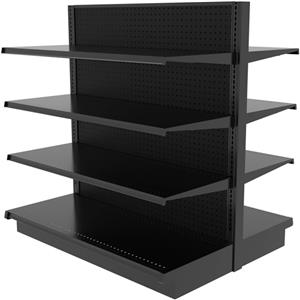
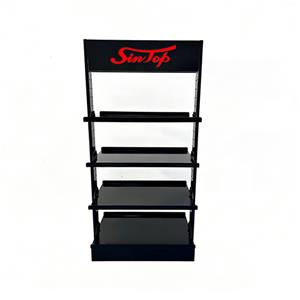
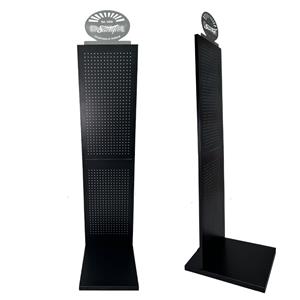
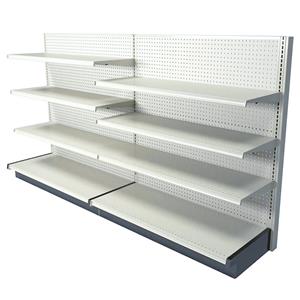
Sintop's portfolio includes retail display racks, clothing displays, supermarket fixtures, POP displays, gondola shelving and custom store solutions. Sintop retail display solutions
For custom store fixtures, the company can support projects from design and prototyping through production and shipment. That matters because experience-driven retail projects often contain more engineering details than a standard shelf order.
A professional buyer should ask:
Can the fixture be customized without excessive development cost?
Can different materials be integrated consistently?
Can digital hardware be mounted and maintained safely?
Can the same design be reproduced across multiple stores?
Can the fixture remain commercially useful after a campaign changes?
These questions separate a decorative display from a genuine retail merchandising system.
FAQ: Experiential Retail Displays
What are experiential retail displays?
Experiential retail displays are merchandising systems designed to do more than hold products. They can combine product presentation, branding, interaction, information and customer navigation.
How does visual merchandising support customer experience?
Visual merchandising organizes products through hierarchy, color, height, lighting, graphics and placement. The objective is to make products easier to discover and the shopping journey easier to understand.
What are custom store fixtures used for?
Custom store fixtures are designed for specific brands, products, store layouts or merchandising requirements. They can include branded shelving, display tables, racks, wall systems and promotional structures.
What are interactive retail displays?
Interactive retail displays allow customers to engage with products or digital information through touchscreens, product demonstrations, QR codes, sensors or other interactive technology.
Why is retail display design becoming more important?
As online shopping makes price and product comparison easier, physical stores need to offer reasons to visit. Effective retail display design can make the store easier to navigate, more engaging and more useful.
Sintop Value
Sintop supports experience-driven retail projects with OEM/ODM manufacturing across metal, wood, acrylic, welding, surface treatment and assembly. This enables retailers to develop custom store fixtures and experiential displays that integrate multiple materials, branded elements and digital hardware from prototype through large-scale production.

Contact information
Website: www.sintopfixtures.com
Wechat/WhatsApp: +86 15980885084
Email: elly@xm-sintop.com
FAQ
1. What types of display racks can Sintop provide?
We offer a wide range of custom retail display racks, including metal display racks, wooden display stands, Gondola shelving, grid panels, and mixed-material solutions, tailored to your store layout and brand identity.
2. Can I order a single unit or prototype?
Yes, no minimum order is required. We can produce prototypes or single units as well as large-volume orders.
3. How long does it take to receive an order?
New items: 3–5 weeks for tooling and production.
Reorders: 2–4 weeks depending on product type.
We are flexible and strive to meet your required delivery dates.
4. Can Sintop handle OEM or ODM projects?
Yes, we specialize in OEM and ODM solutions, turning your ideas or drawings into custom, high-quality display racks.
5. How does Sintop ensure quality?
Every display rack undergoes material inspection, welding and structural checks, surface finish testing, and final assembly inspection to ensure durability, safety, and visual appeal.