

Why Natural Wood Kitchen Cabinets Are Trending in 2026
In 2026, European and American homeowners are moving toward warmer, more natural kitchen environments. The demand for kitchen cabinets featuring oak textures, walnut finishes, glass doors, handleless designs, and sustainable structures is accelerating. From custom kitchen cabinets for premium homes to modular kitchen cabinets for flexible renovation projects, the kitchen furniture market is shifting toward personalization, durability, and environmentally responsible production.
Why Natural Wood Kitchen Cabinets Are Becoming the Center of 2026 Home Design
The 2026 kitchen market is experiencing a major transformation. Homeowners are moving away from cold minimalist interiors and choosing warmer spaces built around natural materials, tactile surfaces, and practical storage. Kitchen cabinets, custom kitchen cabinets, modern kitchen cabinets, shaker kitchen cabinets, modular kitchen cabinets, and wood kitchen cabinets are becoming key elements in this design evolution, reflecting a stronger demand for comfort, sustainability, and long-term value.
The rise of natural wood tones is not simply a design preference; it is connected with broader lifestyle changes. After years of strong demand for white and industrial-style kitchens, European consumers are increasingly selecting oak, walnut, ash wood finishes, and Scandinavian-inspired designs that create a more welcoming atmosphere.
Industry professionals are seeing a clear shift: customers no longer want kitchens that only look attractive. They want furniture solutions that provide storage efficiency, environmental responsibility, customization options, and adaptability for future lifestyle changes.
As a professional manufacturer of retail display fixtures and customized furniture solutions, Xiamen Sintop Display Fixtures Co., Ltd. has observed similar market movements from global retailers and furniture brands. The same trends influencing kitchen furniture are also reshaping store fixtures: natural materials, modular structures, sustainable manufacturing, and flexible product presentation.
Sintop provides OEM and ODM manufacturing solutions, combining metal, wood, acrylic, and mixed-material production capabilities. With more than 30,000㎡ factory space, advanced production lines, and experience serving international retailers, Sintop supports brands requiring reliable customized furniture and display solutions.
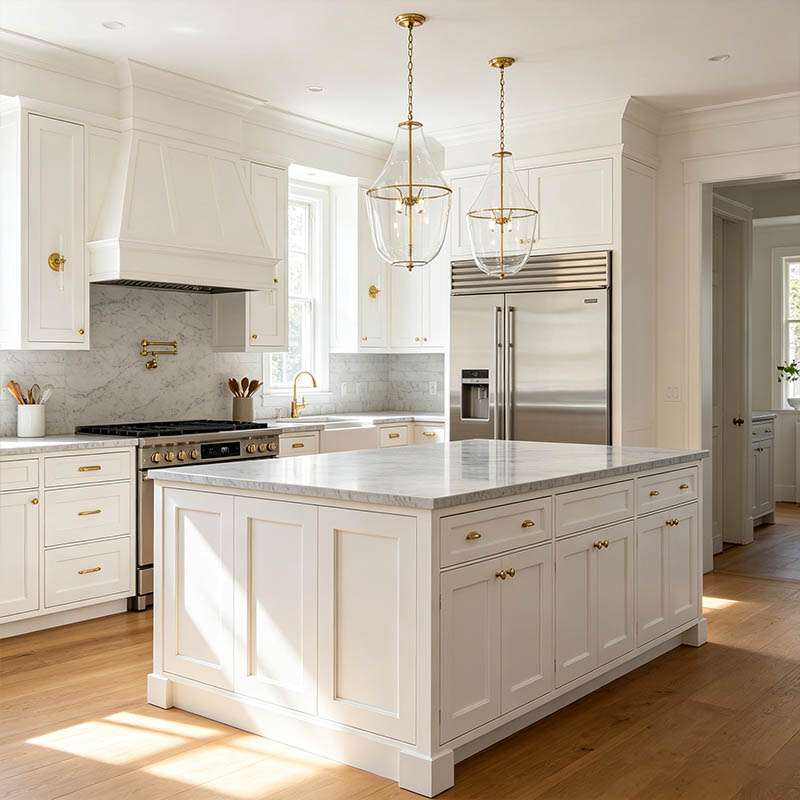
2026 European Kitchen Trends: Natural Materials Replace Cold Minimalism
European interior design in 2026 is increasingly influenced by Scandinavian simplicity and Japandi aesthetics. These styles focus on balance, functionality, and connection with nature.
The popularity of wood kitchen cabinets reflects a broader consumer preference for authentic materials. Oak grain surfaces, walnut colors, matte finishes, and textured wood panels are replacing excessive glossy finishes.
According to European home design analysts, homeowners are prioritizing:
Natural wood appearance
Sustainable materials
Soft warm colors
Minimal hardware
Hidden storage systems
Flexible kitchen layouts
This trend is especially visible in Germany, the UK, France, and Nordic countries, where sustainability has become a major purchasing factor.
A key development in 2026 is the combination of traditional craftsmanship with modern production technology. Consumers appreciate the appearance of handcrafted furniture but expect the precision, durability, and affordability offered by industrial manufacturing.
This is why custom kitchen cabinets are gaining market attention. Instead of purchasing standardized furniture, homeowners increasingly prefer solutions adapted to their room dimensions, lifestyle requirements, and design preferences.
For manufacturers and retailers, this creates a challenge: producing personalized products while maintaining efficiency.
Modular manufacturing has become one answer.
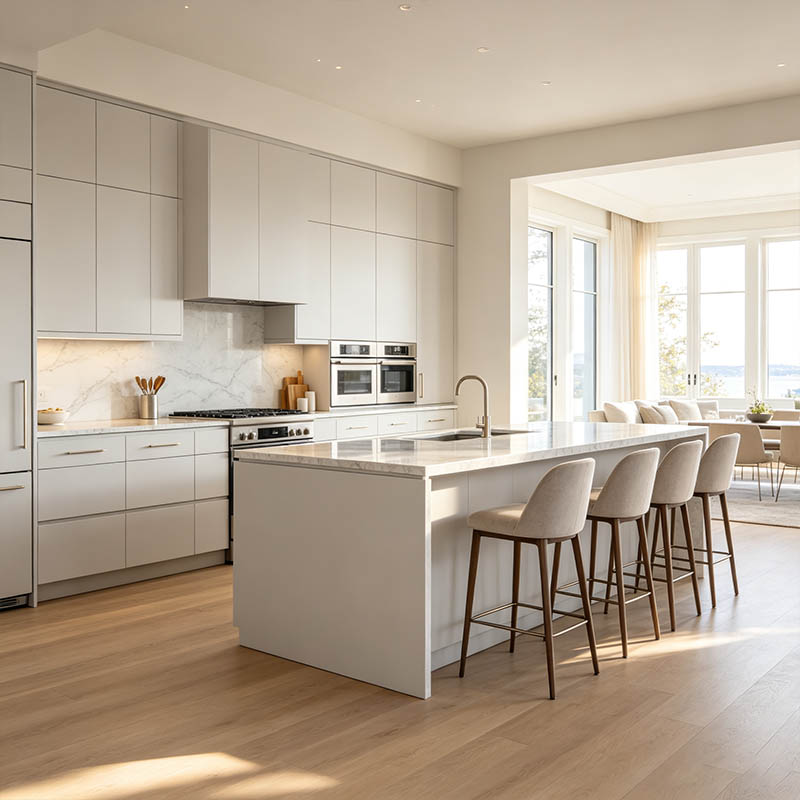
How Modular Kitchen Design Is Changing the Furniture Market in 2026
The growth of modular kitchen cabinets represents one of the strongest changes in the global kitchen industry.
Traditional kitchen renovation often required long production periods, expensive installation, and limited flexibility. Modular systems allow homeowners to combine different cabinet units, storage solutions, and functional components based on specific needs.
Modern consumers want kitchens that can adapt.
A young family may need additional storage space today but require a different configuration after several years. Modular solutions allow easier adjustments without completely replacing the kitchen.
The main advantages of modular kitchen systems include:
| Kitchen Trend | Consumer Demand | Manufacturing Opportunity |
|---|---|---|
| Natural wood finishes | Warm and comfortable appearance | Advanced wood processing |
| Modular structures | Flexible installation | Standardized production |
| Handleless design | Minimal modern style | Precision manufacturing |
| Glass cabinet doors | Visual openness | Mixed material solutions |
| Sustainable materials | Environmental responsibility | FSC-certified sourcing |
| Customized layouts | Personal lifestyle needs | OEM production capability |
For kitchen brands, retailers, and furniture distributors, modular production also improves supply chain efficiency. Standardized components can reduce manufacturing complexity while still offering customers personalized choices.
This approach is similar to retail fixture production. In supermarkets, department stores, and specialty shops, brands increasingly require adaptable display systems that can be adjusted according to seasonal campaigns and changing consumer behavior.
Sintop’s experience in producing custom display racks demonstrates how modular thinking can improve product flexibility. The company applies similar principles to furniture-related manufacturing, including precision cutting, welding, wood processing, powder coating, and customized finishing.
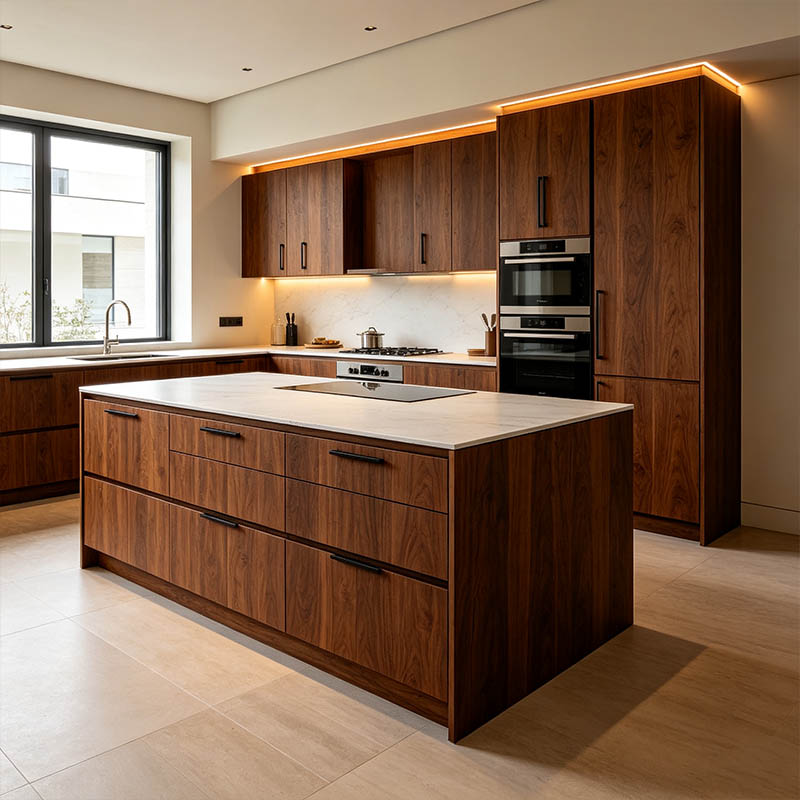
European Climate Changes Are Influencing Kitchen Material Choices
While design trends are important, environmental conditions are also affecting consumer decisions.
The European summer of 2026 has brought renewed attention to climate adaptation. Extreme heat events have affected consumer behavior, retail operations, and home improvement decisions.
According to reports from European retail organizations, including British Retail Consortium (BRC) data, hot weather conditions have influenced shopping patterns, with reduced physical store visits during periods of extreme temperatures. Reuters and BBC reports on European heatwaves have also highlighted increasing concerns about climate resilience, energy efficiency, and changing consumer habits.
These environmental changes are influencing kitchen renovation decisions.
Homeowners are becoming more interested in:
Durable furniture materials
Sustainable wood sources
Better ventilation design
Long-lasting cabinet structures
Energy-efficient home solutions
For this reason, modern kitchen cabinets are evolving beyond appearance. They must combine aesthetics with practical performance.
Natural materials are gaining popularity because they provide a warmer visual experience compared with cold industrial surfaces. However, professional manufacturers must ensure proper treatment, moisture resistance, and durability.
High-quality wood kitchen cabinets require precise material selection, advanced coating technology, and strict quality control. Poor manufacturing processes can lead to problems such as deformation, surface damage, and inconsistent color.
Experienced suppliers with international manufacturing standards can help brands avoid these risks.
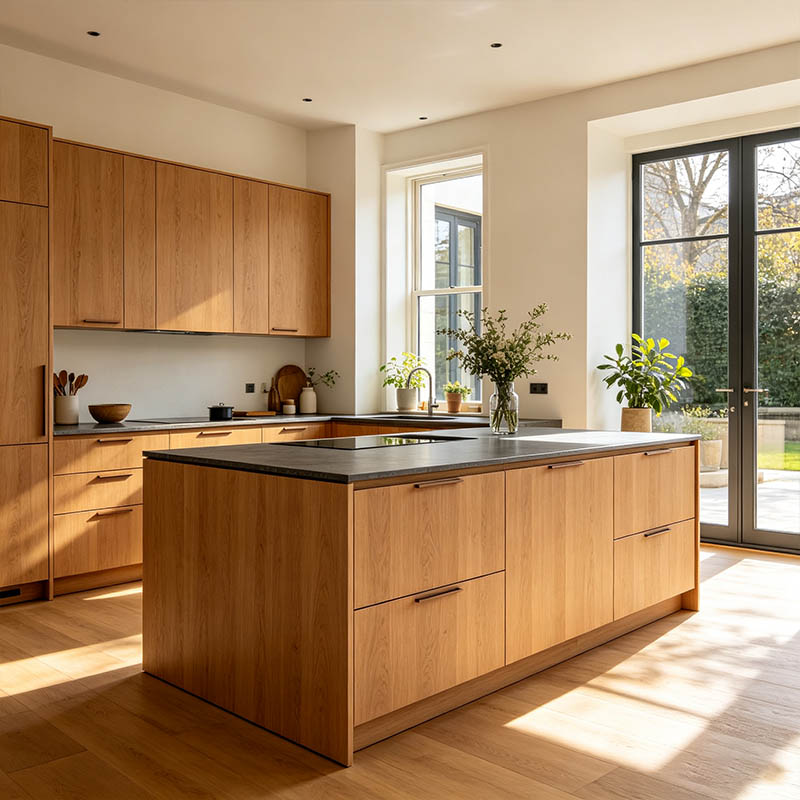
Why Shaker Kitchen Cabinets Remain Popular in 2026
Among all kitchen styles entering 2026, shaker kitchen cabinets continue to maintain strong demand in Europe and North America. Their popularity comes from a simple reason: they successfully combine traditional craftsmanship with modern lifestyle requirements.
Unlike highly decorative cabinet styles that may quickly become outdated, shaker designs focus on clean lines, balanced proportions, and timeless appearance. This makes them attractive for homeowners, property developers, kitchen retailers, and renovation companies.
The classic recessed panel structure allows shaker designs to work across multiple interior styles, including farmhouse kitchens, Scandinavian homes, contemporary apartments, and luxury residential projects.
In 2026, many customers are combining shaker cabinet structures with:
Natural oak finishes
Warm beige and earth-tone colors
Matte black hardware
Glass panel doors
Open shelving systems
Integrated lighting solutions
This combination creates a practical yet premium kitchen environment.
The market growth of shaker kitchen cabinets also reflects a wider consumer movement toward long-lasting purchases. Instead of replacing furniture every few years, homeowners increasingly prefer designs that maintain value over time.
For kitchen brands, this creates opportunities for customized production. Retailers need suppliers who can provide different sizes, finishes, and configurations while maintaining consistent quality.
This is where professional OEM manufacturers play an important role.
A reliable supplier must control every stage, from material selection and cutting accuracy to surface treatment and final packaging. Companies producing custom kitchen cabinets need not only design capability but also strong manufacturing systems.
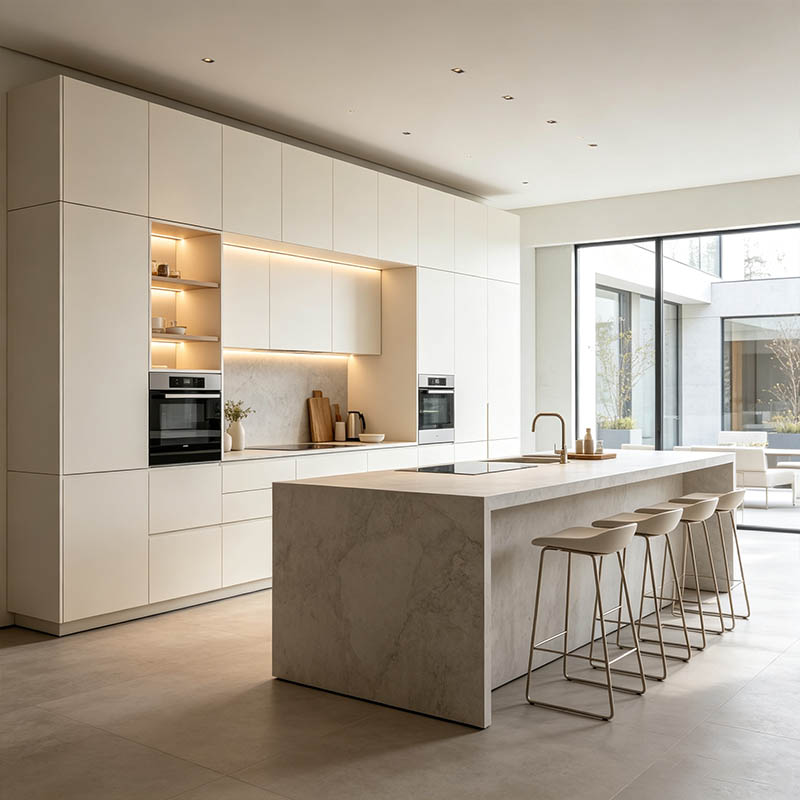
How Manufacturers Can Meet Future Kitchen Demand Through Flexible Production
The future of kitchen furniture will not be defined by one single design style. Instead, successful brands will need to offer flexibility.
Consumers in 2026 are becoming more selective. They want products that match their personal space, environmental values, and lifestyle needs.
The next generation of kitchen cabinets will likely focus on three major directions:
1. Personalization
Mass production alone cannot satisfy modern consumers. Different homes require different layouts, storage solutions, and visual styles.
This is increasing demand for custom kitchen cabinets that can be adjusted according to:
Room dimensions
Storage requirements
Material preferences
Interior design concepts
Budget levels
2. Sustainable Manufacturing
Environmental responsibility is becoming an important purchasing factor in European markets.
Consumers are paying more attention to:
Responsible wood sourcing
Low-emission materials
Recyclable components
Long product lifespan
Manufacturers that invest in sustainable production will have stronger competitiveness.
3. Modular Supply Systems
The expansion of modular kitchen cabinets is changing how brands manage production and inventory.
Modular systems allow manufacturers to create standardized components while offering customized combinations.
This reduces:
Production complexity
Manufacturing waste
Delivery time
Installation difficulties
For international buyers, modular production creates a more stable supply chain.
What Kitchen Brands Can Learn From Retail Display Fixture Manufacturing
Although kitchen furniture and retail display fixtures belong to different categories, they share many manufacturing principles.
Both industries require:
Precise dimensions
Strong structures
Attractive finishes
Efficient assembly
Custom design capability
As a professional display fixture manufacturer, Sintop has extensive experience helping international brands develop customized solutions.
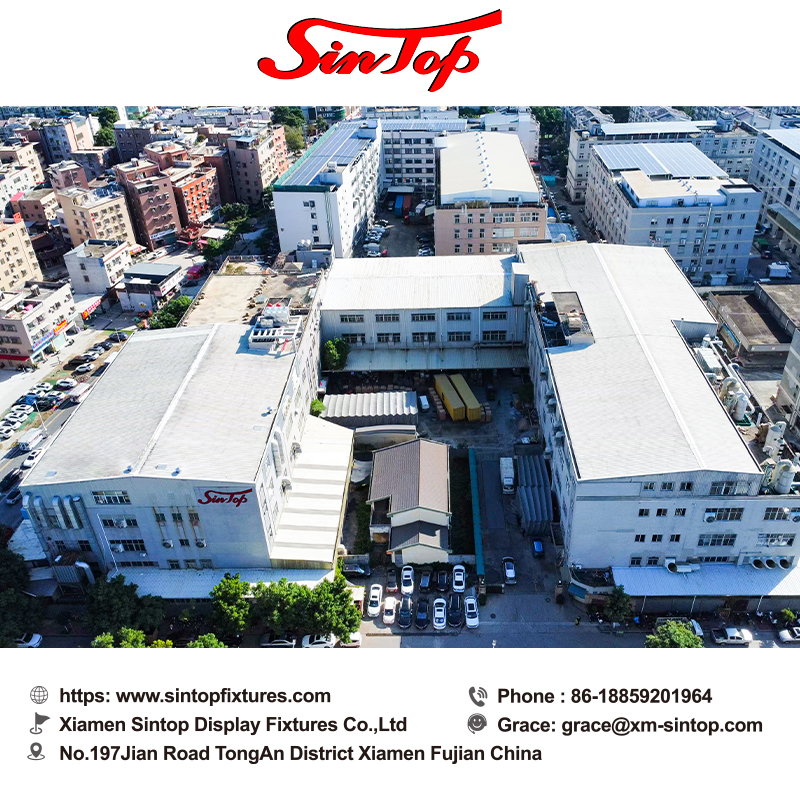
Founded in 2002, Xiamen Sintop Display Fixtures Co., Ltd. operates a 30,000㎡ manufacturing facility in Xiamen, China, with more than 350 employees and multiple production lines.
The company provides:
Metal fabrication
Wood processing
Acrylic production
Powder coating
Welding
Customized finishing
OEM and ODM services
With certifications including ISO9001, ISO14001, BSCI, FSC, SEDEX, and other international standards, Sintop supports global customers requiring stable quality and reliable production.
For brands entering the kitchen furniture market, choosing a manufacturer with strong customization capability is becoming increasingly important.
The same production philosophy used for premium retail fixtures can support the development of innovative kitchen furniture solutions.
Whether producing retail environments or furniture components, successful manufacturing depends on accurate engineering, efficient production management, and attention to customer requirements.
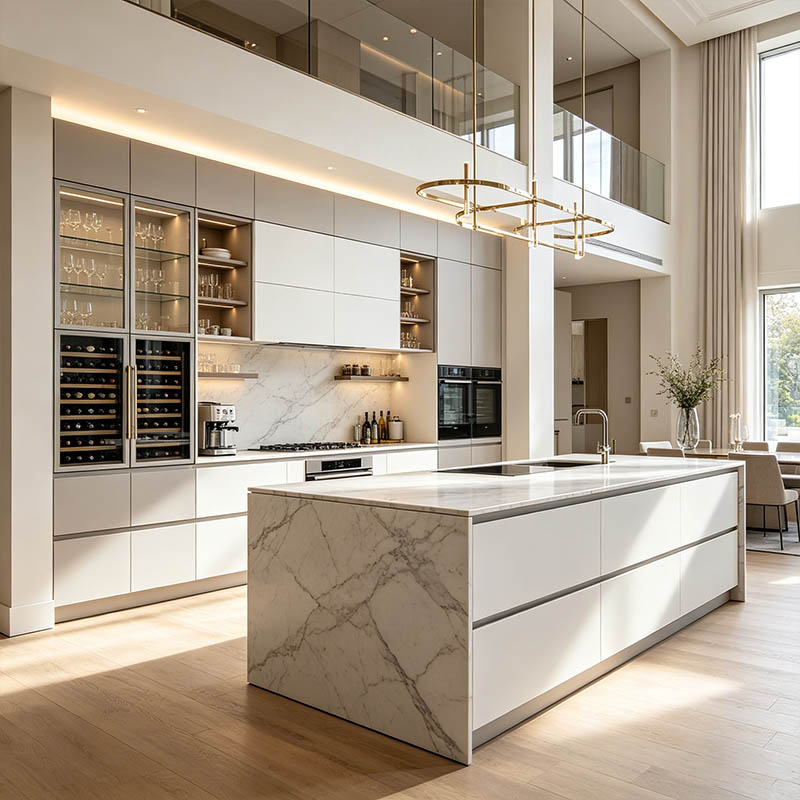
Frequently Asked Questions (FAQ)
Q1: Why are natural wood kitchen cabinets popular in 2026?
Natural wood kitchen cabinets are popular because consumers are looking for warmer interiors, sustainable materials, and timeless designs. Oak, walnut, and Scandinavian-inspired finishes create comfortable spaces that match modern lifestyles.
Q2: Are custom kitchen cabinets better than standard cabinets?
Yes, custom kitchen cabinets provide greater flexibility because they can be designed according to specific room dimensions, storage requirements, and personal preferences. They are especially suitable for premium residential projects and unique layouts.
Q3: What makes modern kitchen cabinets different from traditional designs?
Modern kitchen cabinets usually focus on minimalist appearance, efficient storage, clean lines, handleless solutions, and integrated technology. They combine aesthetic design with practical functionality.
Q4: Are shaker kitchen cabinets still trending in 2026?
Yes. Shaker kitchen cabinets remain popular because their simple design works with many interior styles. They offer a balance between classic appearance and modern functionality.
Q5: Why are modular kitchen cabinets growing worldwide?
Modular kitchen cabinets are growing because they provide flexible installation, easier replacement, faster production, and better customization options for different homes.
Q6: What materials are preferred for wood kitchen cabinets?
Popular materials for wood kitchen cabinets include oak, walnut, ash, and environmentally responsible engineered wood. These materials provide natural appearance, durability, and sustainable advantages.
Conclusion: The Future of Kitchen Cabinets Is Natural, Flexible, and Customized
The 2026 kitchen market shows a clear direction: consumers want furniture that feels personal, sustainable, and durable. The movement toward warmer colors, natural textures, and flexible layouts is reshaping the industry.
From Scandinavian-inspired interiors to Japandi design principles, the demand for high-quality kitchen cabinets continues to grow. Brands that invest in custom kitchen cabinets can better respond to changing consumer expectations, while innovative modern kitchen cabinets provide solutions for contemporary lifestyles.
At the same time, timeless designs such as shaker kitchen cabinets remain valuable because they combine beauty and practicality. The expansion of modular kitchen cabinets is also creating new opportunities for efficient manufacturing and global distribution.
For suppliers and brands seeking reliable production partners, the future belongs to companies capable of delivering flexible solutions, sustainable materials, and consistent quality. High-performance wood kitchen cabinets represent not only a design trend but also a long-term shift toward responsible and customer-focused home improvement.
Sintop welcomes cooperation with global furniture brands, retailers, and designers looking for professional OEM/ODM manufacturing solutions.
Sintop Value
Sintop provides reliable OEM/ODM manufacturing solutions for brands seeking customized kitchen furniture, retail fixtures, and product presentation systems. With 24 years of experience, a 30,000㎡ factory, and strong capabilities in metal, wood, acrylic, and mixed-material production, Sintop supports customers with design engineering, flexible manufacturing, and project management. From custom kitchen cabinets and wood-based solutions to customized display fixtures, Sintop helps global partners transform ideas into high-quality products with consistent quality and efficient production.

Contact information
Website: www.sintopfixtures.com
Wechat/WhatsApp: +86 15980885084
Email: elly@xm-sintop.com
FAQ
1. What types of display racks can Sintop provide?
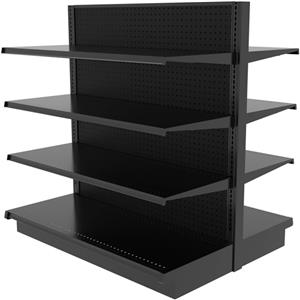
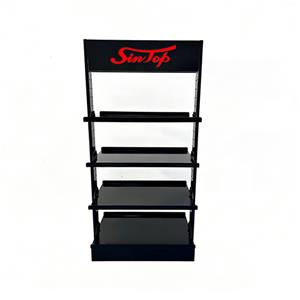
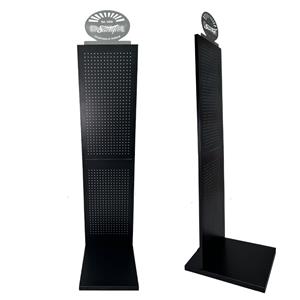
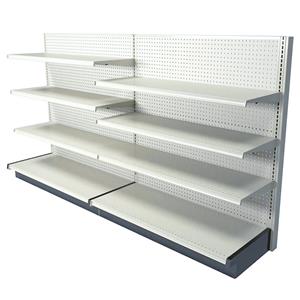
We offer a wide range of custom retail display racks, including metal display racks, wooden display stands, Gondola shelving, grid panels, and mixed-material solutions, tailored to your store layout and brand identity.
2. Can I order a single unit or prototype?
Yes, no minimum order is required. We can produce prototypes or single units as well as large-volume orders.
3. How long does it take to receive an order?
New items: 3–5 weeks for tooling and production.
Reorders: 2–4 weeks depending on product type.
We are flexible and strive to meet your required delivery dates.
4. Can Sintop handle OEM or ODM projects?
Yes, we specialize in OEM and ODM solutions, turning your ideas or drawings into custom, high-quality display racks.
5. How does Sintop ensure quality?
Every display rack undergoes material inspection, welding and structural checks, surface finish testing, and final assembly inspection to ensure durability, safety, and visual appeal.