

Why Smart Shelving Systems Are Reshaping Retail Displays?
Walmart is fully implementing electronic shelf labels (ESL).
Walmart’s nationwide rollout of digital shelf displays, electronic shelf labels, retail display solutions, and smart shelving systems marks a major shift in how physical stores operate. For every store fixture manufacturer, the message is becoming impossible to ignore: retail fixtures are no longer passive hardware. They are turning into connected infrastructure that links pricing, inventory, merchandising, and customer experience in real time.
Big changes happen.
And sometimes they arrive quietly.
For years, retailers relied on employees to manually replace paper tags, verify prices, and correct shelf errors. That process consumed labor hours, introduced mistakes, and created customer frustration. Today, electronic shelf labels connected to centralized systems can update thousands of prices in seconds. Combined with digital shelf displays and advanced smart shelving systems, retailers gain visibility that traditional shelving simply cannot provide.
So what happens when every shelf becomes a data point?
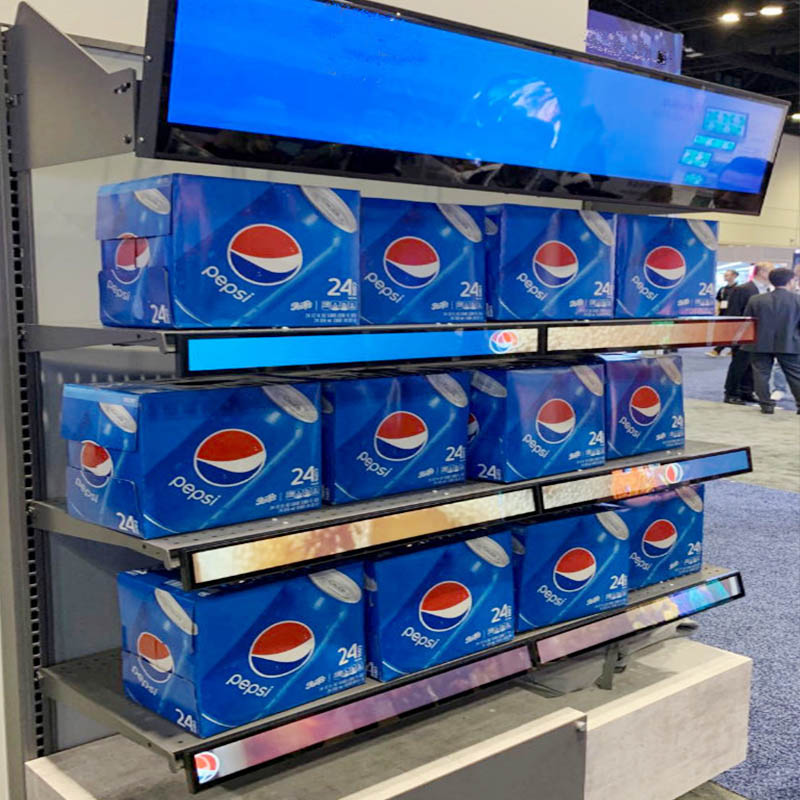
Why Walmart Is Investing Heavily in ESL Technology
According to reporting by Reuters, Walmart continues investing in automation technologies designed to improve operational efficiency and customer service. Electronic pricing infrastructure has become one of the retailer's largest modernization initiatives.
The economics are straightforward.
Traditional pricing requires constant labor intervention. By implementing electronic shelf labels, Walmart can synchronize promotions, inventory adjustments, and regional pricing instantly. The result is fewer pricing discrepancies and faster response times.
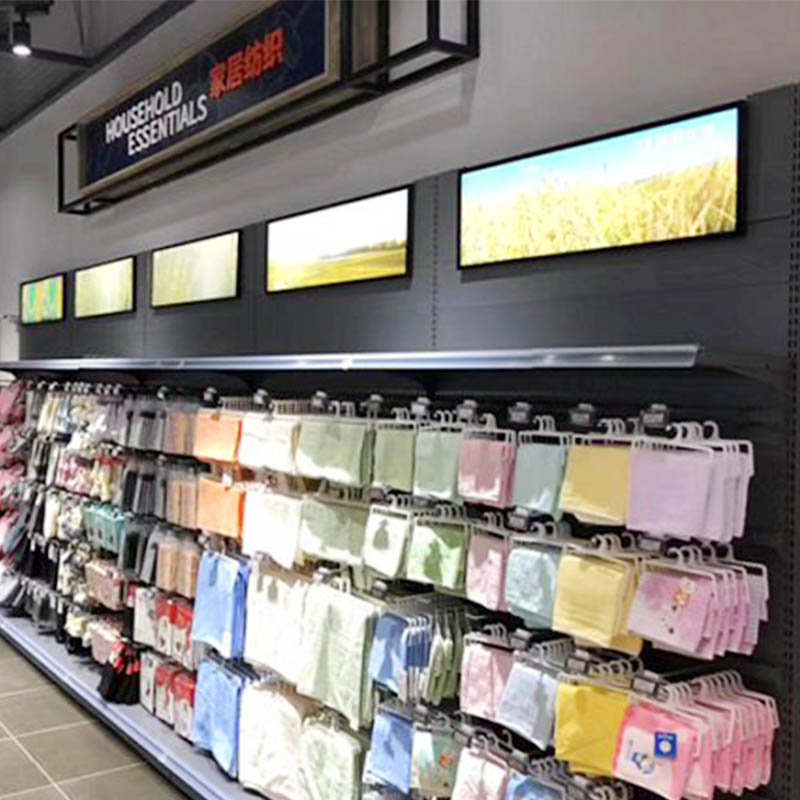
For manufacturers providing retail display solutions, this trend changes product requirements. Shelving systems must now accommodate batteries, communication modules, sensors, and mounting solutions designed specifically for digital shelf displays.
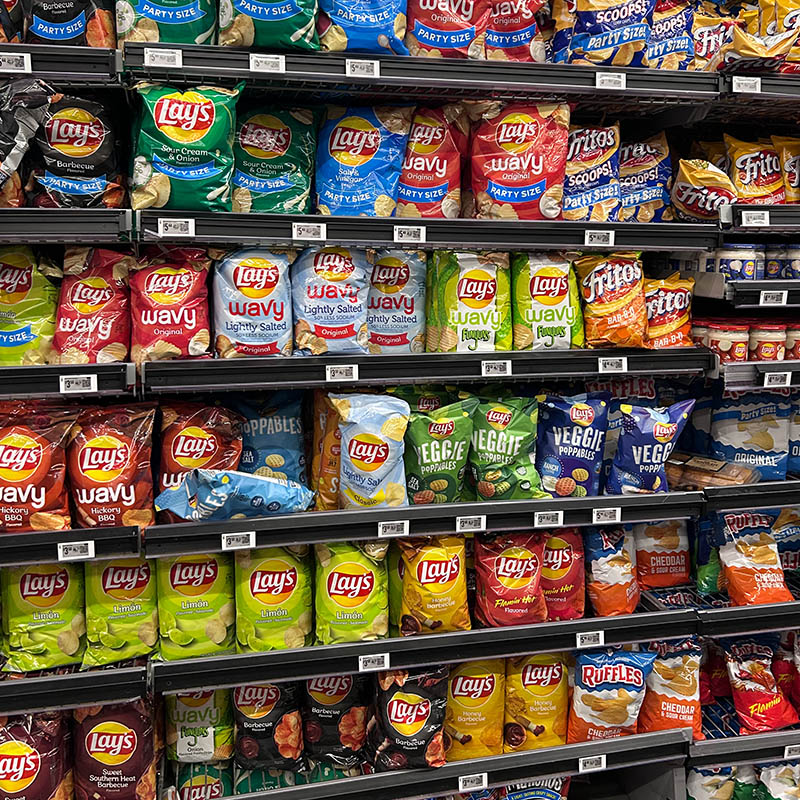
Smart Shelving Is Becoming a Retail Operating System
We have supplied fixtures to retailers for many years, and one hard truth stands out.
Static shelving is aging fast.
Modern smart shelving systems are designed to collect information, support automated replenishment, and integrate with store management software. The shelf itself becomes part of the retail technology network.
Research from the National Retail Federation continues to highlight retailer investments in automation and data-driven operations. At the same time, data published by the U.S. Census Bureau shows ongoing retail sales activity supporting store modernization projects.
This is where digital shelf displays become valuable. They allow retailers to communicate pricing, promotions, QR codes, inventory alerts, and product information without replacing physical signage.
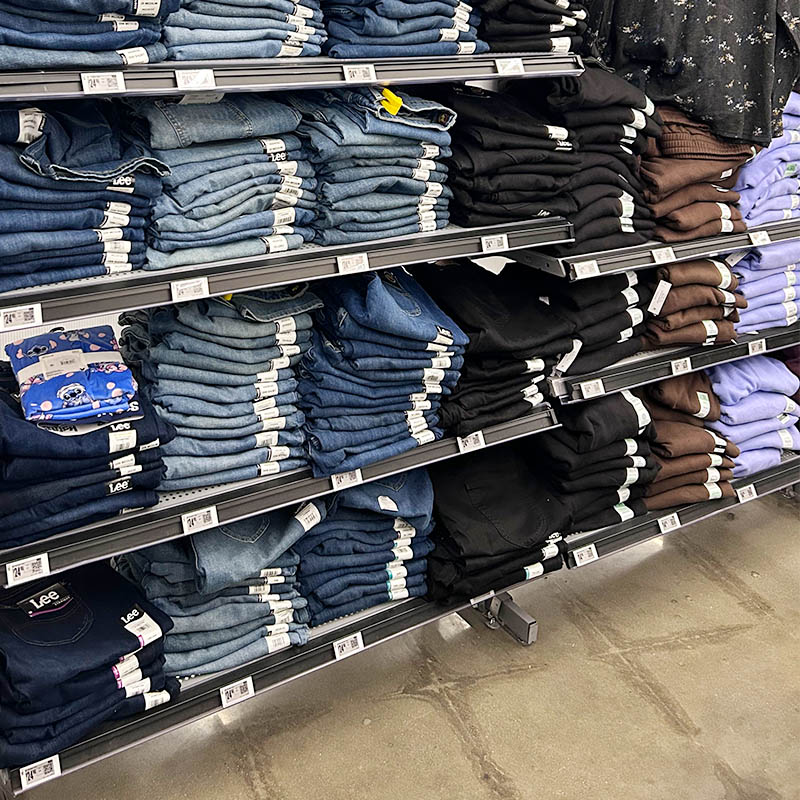
How ESL Deployment Is Reshaping Retail Display Design
The introduction of electronic shelf labels affects far more than price communication.
Fixture engineering changes.
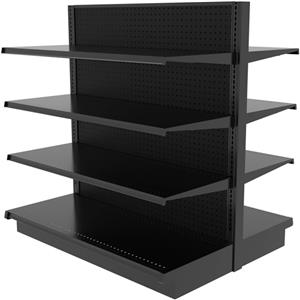
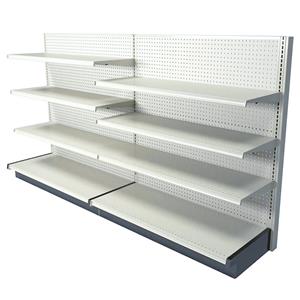
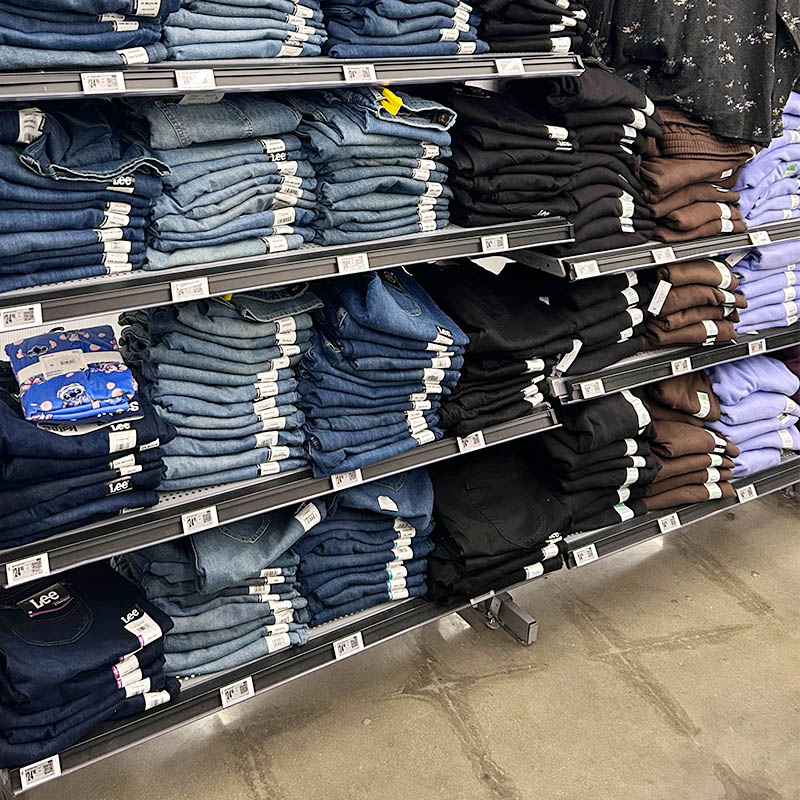
A modern store fixture manufacturer must design products capable of supporting ESL rails, wireless infrastructure, battery maintenance access, and future technology upgrades. Retailers increasingly request modular retail display solutions that can evolve alongside software systems.
Many procurement teams now evaluate shelving based on three questions:
Can it support electronic shelf labels?
Can it integrate with smart shelving systems?
Can it reduce long-term operating costs?
If the answer is no, the fixture often fails the evaluation process.
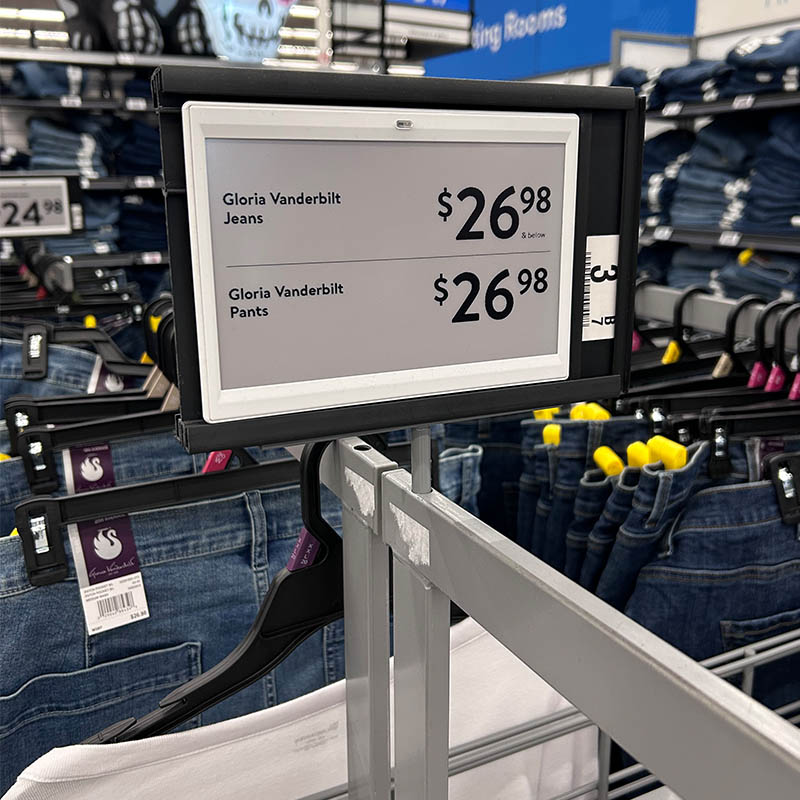
Opportunities for One-Stop Display Solutions Providers
The rise of digital shelf displays is creating demand for suppliers that can offer design, engineering, manufacturing, and implementation support from a single source.
Retailers no longer want five vendors managing one project.
A qualified one-stop display solutions provider can deliver shelving, display fixtures, ESL integration structures, merchandising equipment, and logistics support under one program.
For a global store fixture manufacturer, this creates opportunities to move beyond hardware production and become a strategic retail partner.
The Future of Retail Displays After 2026
Retail is changing direction.
Fast.
We expect smart shelving systems to become standard equipment in supermarkets, convenience stores, pharmacies, and department stores. As AI-driven inventory management expands, demand for electronic shelf labels and digital shelf displays will continue rising.
The next generation of retail display solutions will not simply hold products. They will communicate, collect data, support dynamic pricing, and help retailers respond to consumer behavior in real time.
That future is already being built.
Walmart is simply moving first.
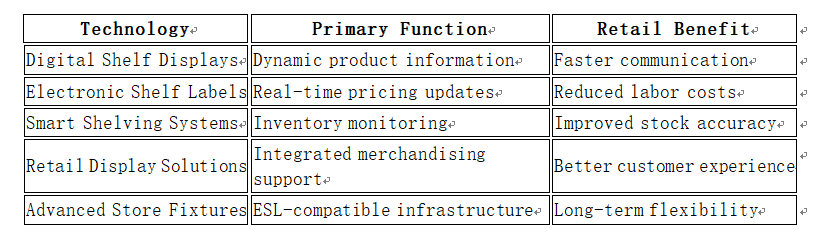
Smart Retail Technology Comparison
FAQ
What are electronic shelf labels and why are retailers adopting them?
Electronic shelf labels are digital pricing devices attached to shelves that automatically update product prices and promotional information through centralized software systems. Retailers adopt electronic shelf labels to reduce labor costs, improve pricing accuracy, and synchronize store operations in real time.
How do digital shelf displays improve retail performance?
Digital shelf displays are electronic communication tools that present pricing, promotions, inventory information, and customer-facing content directly at the shelf edge. They improve operational efficiency while helping retailers deliver more accurate and timely information.
What makes smart shelving systems different from traditional shelving?
Smart shelving systems are technology-enabled shelving platforms equipped to support sensors, electronic shelf labels, inventory tracking, and connected retail software. Unlike traditional shelving, smart shelving systems actively participate in store operations and data collection.
Why are retail display solutions evolving so quickly?
Retail display solutions are evolving because retailers need greater flexibility, automation, and operational visibility. Modern systems must support digital shelf displays, electronic shelf labels, and future retail technologies while maintaining strong merchandising performance.
Why should retailers work with a store fixture manufacturer that supports ESL integration?
A store fixture manufacturer experienced in ESL integration can design shelving systems that accommodate electronic shelf labels, communication infrastructure, maintenance access, and future upgrades, reducing installation complexity and long-term operating costs.
Partner With a Trusted Store Fixture Manufacturer
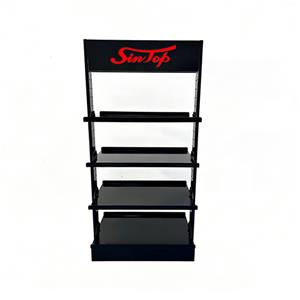
Xiamen Sintop Display Fixtures Co., Ltd. is a professional store fixture manufacturer specializing in digital shelf displays, electronic shelf labels compatible fixture systems, retail display solutions, and smart shelving systems for retailers worldwide.
As a reliable one-stop display solutions provider, we help brands and retailers develop modern fixture programs that combine merchandising performance with the technology requirements of tomorrow's stores.
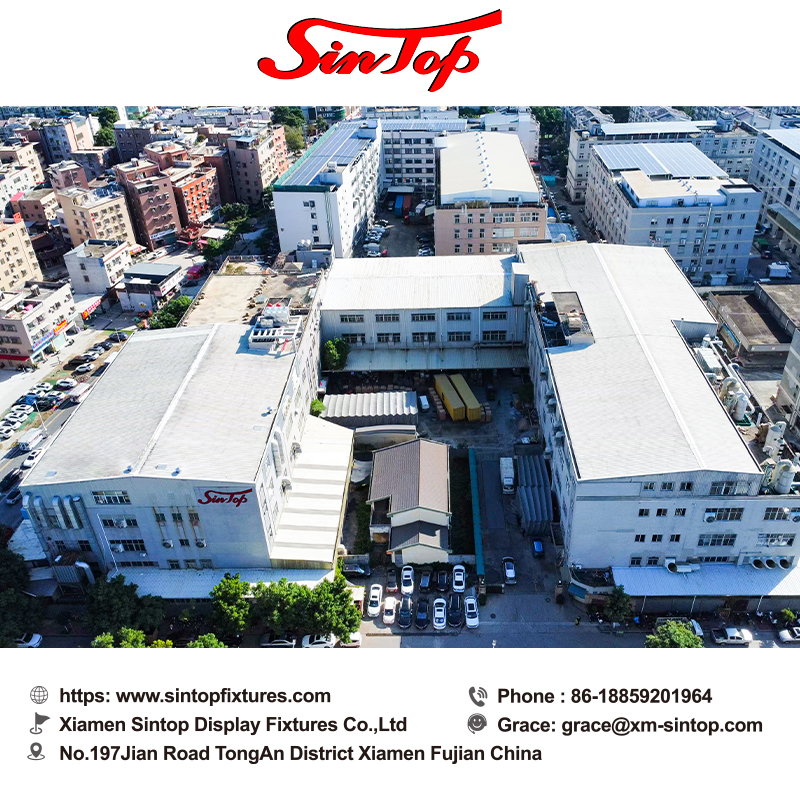
Sintop Value
At Xiamen Sintop Display Fixtures Co., Ltd., we help retailers bridge the gap between traditional merchandising and modern retail technology.
As an experienced store fixture manufacturer, Sintop provides ESL-compatible shelving systems, digital shelf display integration, smart shelving solutions, and customized retail display programs designed for supermarkets, convenience stores, pharmacies, and specialty retailers worldwide.
With over 20 years of manufacturing expertise and one-stop project support, we help retailers build flexible, future-ready store environments.

Contact information
Website: www.sintopfixtures.com
Wechat/WhatsApp: +86 15980885084
Email: elly@xm-sintop.com
FAQ
1. What types of display racks can Sintop provide?
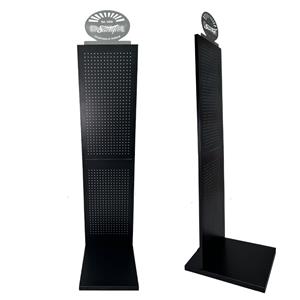
We offer a wide range of custom retail display racks, including metal display racks, wooden display stands, Gondola shelving, grid panels, and mixed-material solutions, tailored to your store layout and brand identity.
2. Can I order a single unit or prototype?
Yes, no minimum order is required. We can produce prototypes or single units as well as large-volume orders.
3. How long does it take to receive an order?
New items: 3–5 weeks for tooling and production.
Reorders: 2–4 weeks depending on product type.
We are flexible and strive to meet your required delivery dates.
4. Can Sintop handle OEM or ODM projects?
Yes, we specialize in OEM and ODM solutions, turning your ideas or drawings into custom, high-quality display racks.
5. How does Sintop ensure quality?
Every display rack undergoes material inspection, welding and structural checks, surface finish testing, and final assembly inspection to ensure durability, safety, and visual appeal.