

Why U.S. Grocery Retailers Are Switching to Modular Fixtures
The argument for modular retail fixtures is not complicated: grocery stores change constantly.
A promotion may last two weeks. A seasonal category may require a completely different shelf configuration. A new private-label product can alter category allocation. An electronic shelf label rollout can introduce new hardware requirements at the shelf edge.
Traditional fixed shelving was designed around stability. Modern grocery operations increasingly require adaptability.
Recent U.S. industry reporting supports this shift. Progressive Grocer reported in August 2026 that grocery retailers are moving from static shelving toward flexible, modular fixture systems as SKU counts rise, remodel budgets remain constrained and electronic shelf labels become more common.
That changes the purchasing equation.
A grocery buyer is no longer asking only whether a fixture can carry 100 kg of merchandise. The better question is whether the same fixture can support three different merchandising plans over the next several years.
This is where modular retail fixtures become commercially attractive.
They can allow retailers to:
adjust shelf height;
change product spacing;
replace accessories;
integrate electronic shelf labels;
reposition promotional sections;
modify aisle configurations;
reuse components during store remodeling.
For manufacturers, this creates a more demanding engineering brief. Grocery store fixtures must be strong enough for heavy merchandise but flexible enough for frequent reconfiguration.
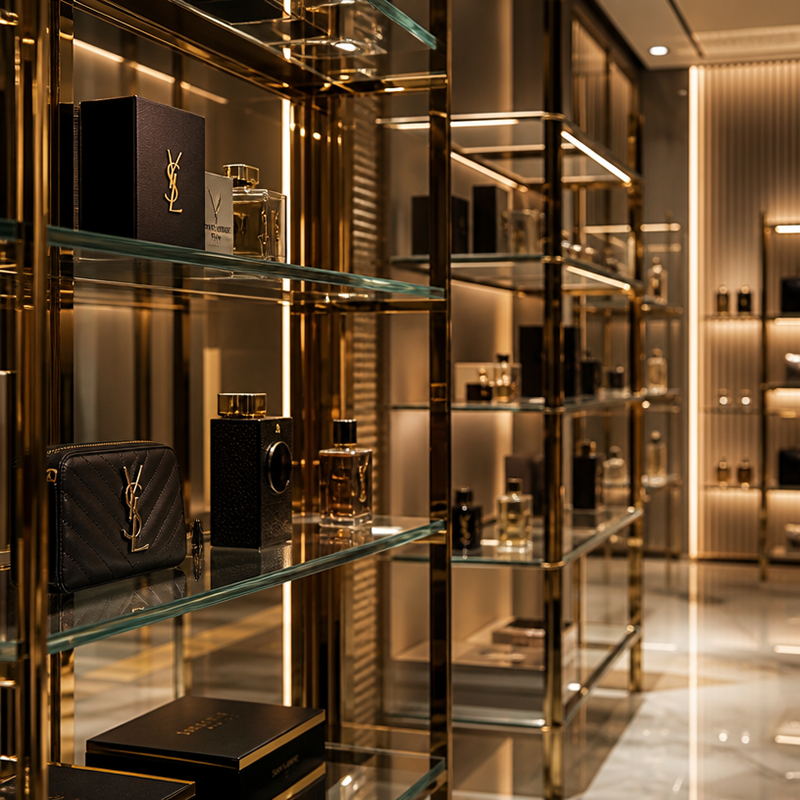
Electronic Shelf Labels Are Changing the Physical Shelf
Electronic shelf labels are often treated as a technology project. That is too narrow.
The shelf is where the digital system meets the physical store.
FMI describes electronic shelf labels as shelf-edge infrastructure connecting the physical shelf with pricing, merchandising, inventory and operational systems.
Walmart provides one of the clearest U.S. examples. The retailer announced an expansion of digital shelf labels after deploying them in roughly 2,300 U.S. locations, with a plan to extend the technology to all stores. The labels can support faster price updates, inventory identification and online-order fulfillment.
This creates a fixture question that retailers cannot ignore.
Where does the ESL rail sit?
How does it attach to the shelf?
Can it be replaced without rebuilding the fixture?
Will different shelf depths require different mounting hardware?
Well-designed retail shelving needs to accommodate those questions from the beginning.
The strongest flexible display fixtures therefore combine structural strength with accessory compatibility. A shelf should not become obsolete simply because the retailer changes its pricing technology.
That is the real commercial argument for modular retail fixtures: technology can change without forcing the retailer to replace the entire physical merchandising system.
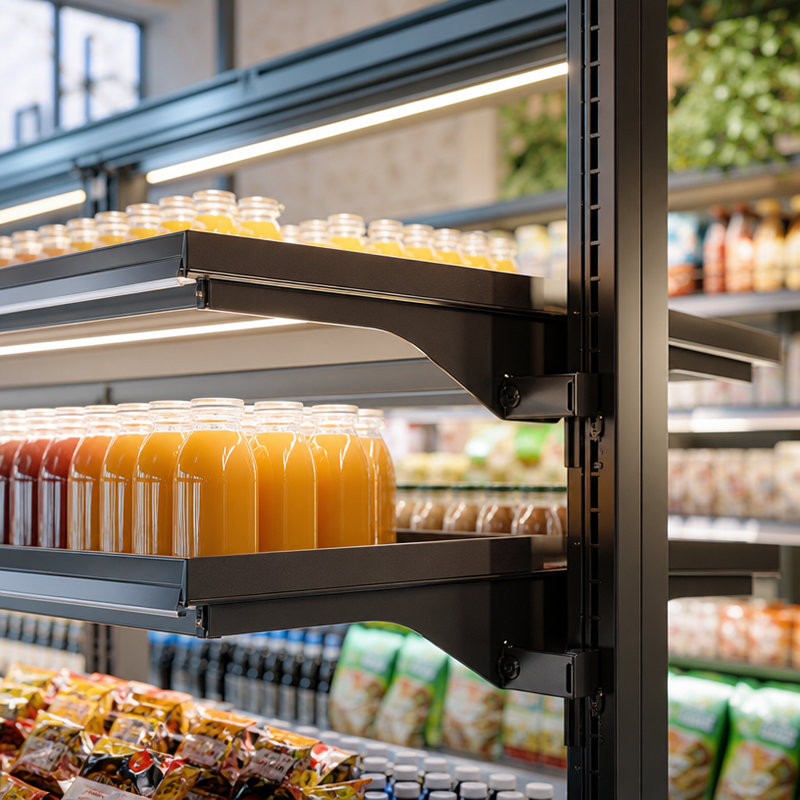
What Grocery Retailers Should Demand From Fixtures
The term “modular” is increasingly used in retail marketing. Buyers should be careful.
A fixture is not genuinely modular simply because a supplier offers several shelf sizes.
For grocery store fixtures, modularity should mean that individual components can be adjusted, replaced or reused without excessive labor or engineering cost.
| Requirement | Traditional fixed system | Modular system |
|---|---|---|
| Shelf height | Limited adjustment | Rapid adjustment |
| Promotions | Often require separate units | Accessories can be added |
| ESL integration | May require retrofitting | Designed for shelf-edge hardware |
| Store remodeling | Higher replacement cost | Components can be reused |
| SKU changes | Slower reset | Faster configuration |
| Multi-store rollout | Less adaptable | Standardized with local adjustment |
This distinction matters because supermarket display racks operate under harsh conditions. They are loaded, unloaded, cleaned, moved and restocked repeatedly.
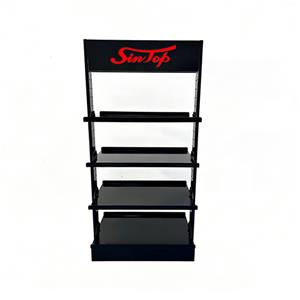
Sintop’s own supermarket universal metal display rack uses a detachable structure with adjustable tiers and configurations. The company lists customization, OEM support and applications for grocery, household and promotional areas.
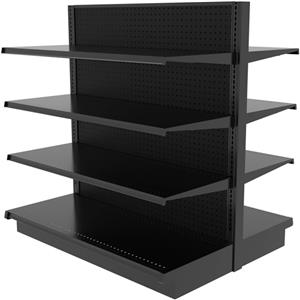
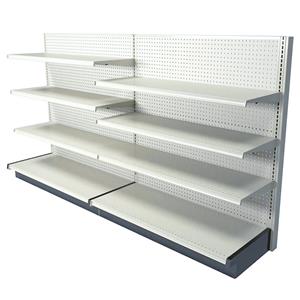
Its heavy-duty gondola shelving also uses adjustable shelves, double-sided access and integrated price-tag holders, with custom sizing available for retail applications.
For a grocery chain, this type of engineering can be more valuable than a visually impressive but inflexible fixture.
The objective is simple: change the merchandising plan without rebuilding the store.
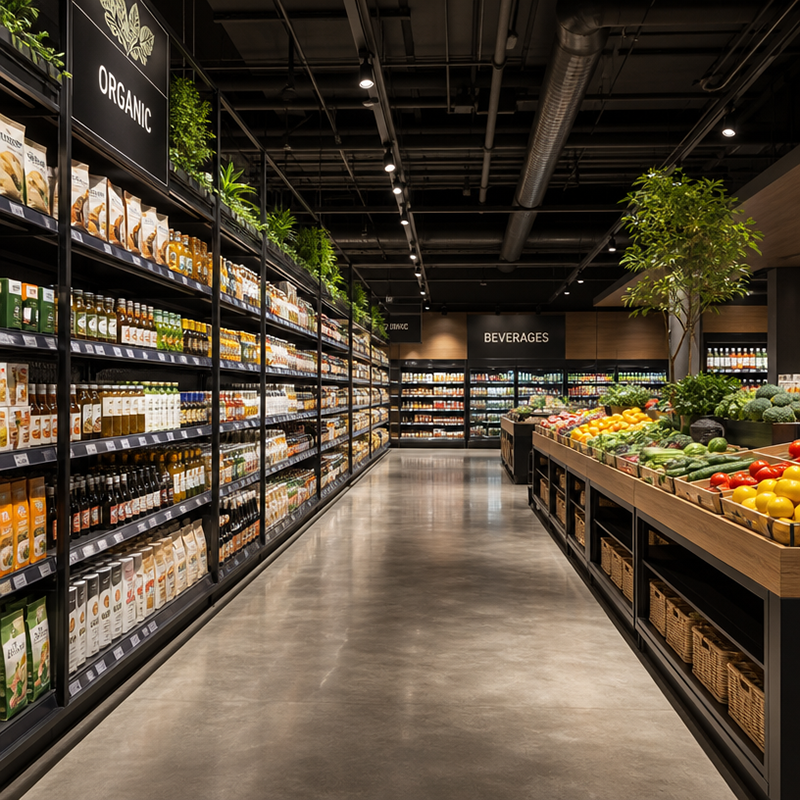
Why the 2026 Heatwave Still Matters to Fixture Design
The U.S. grocery market should also pay attention to what happened in Europe during the 2026 summer heatwave.
BRC-Sensormatic data showed that UK retail footfall fell 3.4% year over year in June. High-street footfall fell 6.2%, while shopping-centre footfall declined 2.5%. BRC said record heat kept many shoppers indoors, while air-conditioned shopping centres and retail parks were more resilient.
The July data remained weak. Total UK footfall declined 2.1% year over year, while high-street traffic fell 3.8%. Retail parks, however, recorded 1.2% growth.
BRC retail-sales data also showed food sales increasing 3.8% year over year in July, while non-food sales declined 0.7%.
Reuters reported that UK retail sales then declined 0.5% month over month in July after a stronger June supported by hot weather and World Cup-related spending.
Why should a U.S. grocery fixture buyer care?
Because extreme weather changes shopping behavior, product demand and store priorities.
A grocery store may need to move cold drinks closer to traffic, expand seasonal products, create additional promotional capacity or adjust aisle layouts. That is difficult with permanent fixtures.
Flexible display fixtures make these operational changes easier.
The European experience is therefore less about copying European store design and more about recognizing a wider retail reality: the physical store must be capable of responding to external shocks.
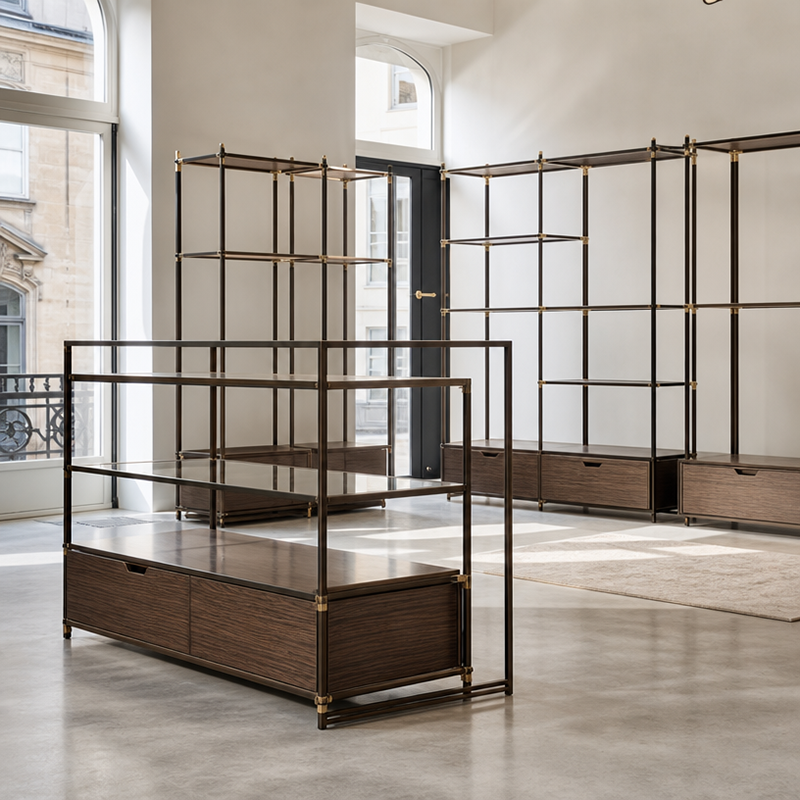
Sintop: Engineering Fixtures for Retailers That Need to Adapt
Sintop has more than two decades of experience in retail fixture manufacturing, supporting custom metal, wood, acrylic and mixed-material solutions for international retail projects.
For grocery applications, the company provides adjustable gondola systems, supermarket display racks, grocery displays and custom shelving solutions. Its product portfolio includes dedicated grocery store display products and gondola shelving.
Sintop also emphasizes engineering from concept through production, which matters when a modular system must be replicated across multiple store formats.
Its approach is particularly relevant for buyers who need:
custom dimensions;
adjustable shelf configurations;
metal fabrication;
mixed-material construction;
OEM and ODM production;
repeatable manufacturing;
export-ready packaging;
multi-store rollout support.
Sintop has also published practical guidance on retail grocery shelving, noting that adjustable shelves, movable components and promotional accessories can help retailers respond to changing product categories and seasonal campaigns.
For retailers planning new stores or remodels, the right fixture should not lock the merchandising team into today's plan.
It should give them room to change tomorrow's plan.
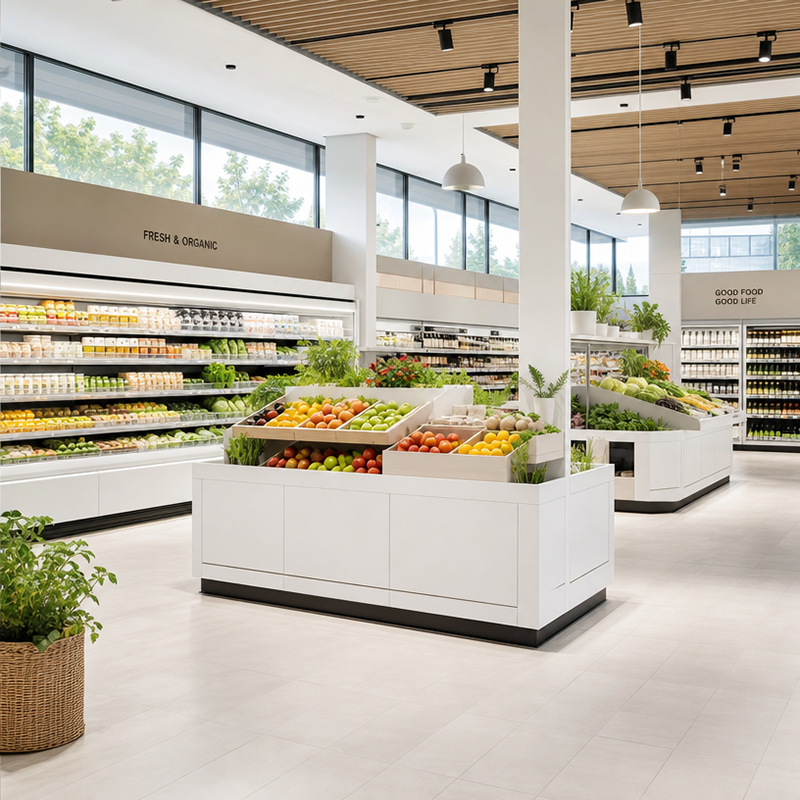
FAQ: Modular Grocery Fixtures in 2026
What are modular retail fixtures?
Modular retail fixtures are merchandising systems built from adjustable or interchangeable components. Retailers can modify shelf height, accessories, spacing and layouts without replacing the entire fixture.
Why are grocery store fixtures becoming more flexible?
Grocery retailers face changing SKU counts, seasonal promotions, store remodeling and new shelf technologies. Flexible fixtures reduce the need for complete fixture replacement when merchandising requirements change.
How do electronic shelf labels affect retail shelving?
Electronic shelf labels require suitable shelf-edge mounting hardware. Retail shelving designed with compatible rails, brackets or holders can simplify ESL installation and future replacement.
Are flexible display fixtures suitable for supermarkets?
Yes. They are especially useful in supermarkets where product categories, promotional programs and shelf configurations change frequently.
What should retailers look for in supermarket display racks?
Buyers should evaluate load capacity, adjustability, durability, accessory compatibility, installation efficiency, customization and the supplier's ability to reproduce the same specification at scale.
Sintop Value
Sintop provides customizable modular retail fixtures, grocery shelving and supermarket display systems designed for changing merchandising requirements. Adjustable shelves, detachable components, ESL-compatible accessories and scalable manufacturing allow retailers to adapt store layouts while reducing the need for complete fixture replacement.

Contact information
Website: www.sintopfixtures.com
Wechat/WhatsApp: +86 15980885084
Email: elly@xm-sintop.com
FAQ
1. What types of display racks can Sintop provide?
We offer a wide range of custom retail display racks, including metal display racks, wooden display stands, Gondola shelving, grid panels, and mixed-material solutions, tailored to your store layout and brand identity.
2. Can I order a single unit or prototype?
Yes, no minimum order is required. We can produce prototypes or single units as well as large-volume orders.
3. How long does it take to receive an order?
New items: 3–5 weeks for tooling and production.
Reorders: 2–4 weeks depending on product type.
We are flexible and strive to meet your required delivery dates.
4. Can Sintop handle OEM or ODM projects?
Yes, we specialize in OEM and ODM solutions, turning your ideas or drawings into custom, high-quality display racks.
5. How does Sintop ensure quality?
Every display rack undergoes material inspection, welding and structural checks, surface finish testing, and final assembly inspection to ensure durability, safety, and visual appeal.