

Will the retail industry see new growth opportunities?
Is AI + Automation Quietly Rewriting In-Store Display Rules?
Fast change. Real pressure.
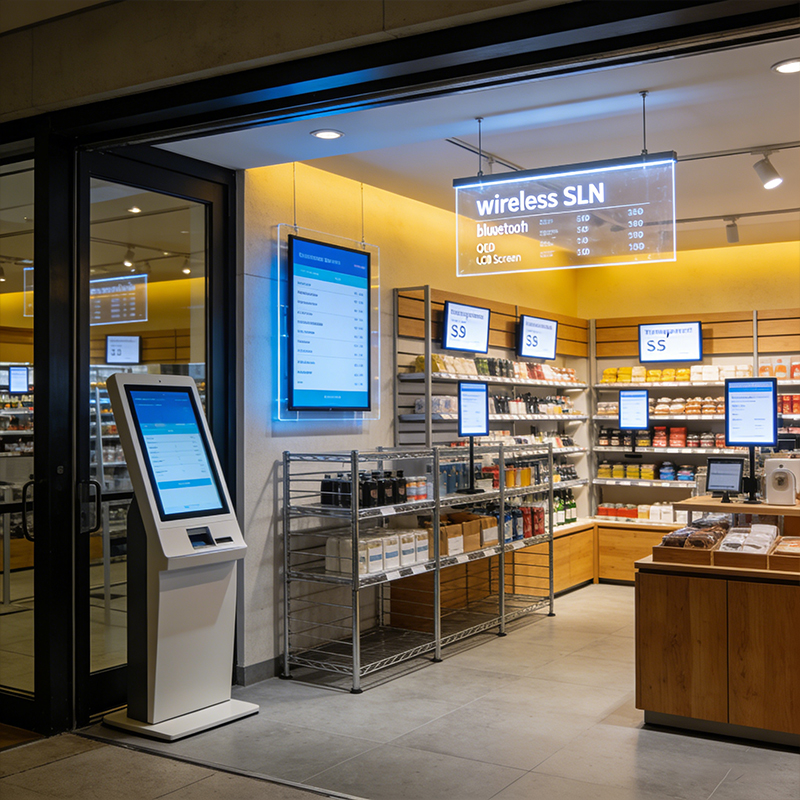
We are seeing it on the ground: AI and automation are no longer pilot concepts but operational tools, pushing retailers to rapidly adopt wireless ESL, bluetooth ESL, transparent oled screen, transparent lcd screen, and retail touch screen kiosk systems that compress labor costs, improve pricing accuracy, and turn static shelves into responsive selling interfaces—so are traditional display racks becoming obsolete faster than most buyers expected?
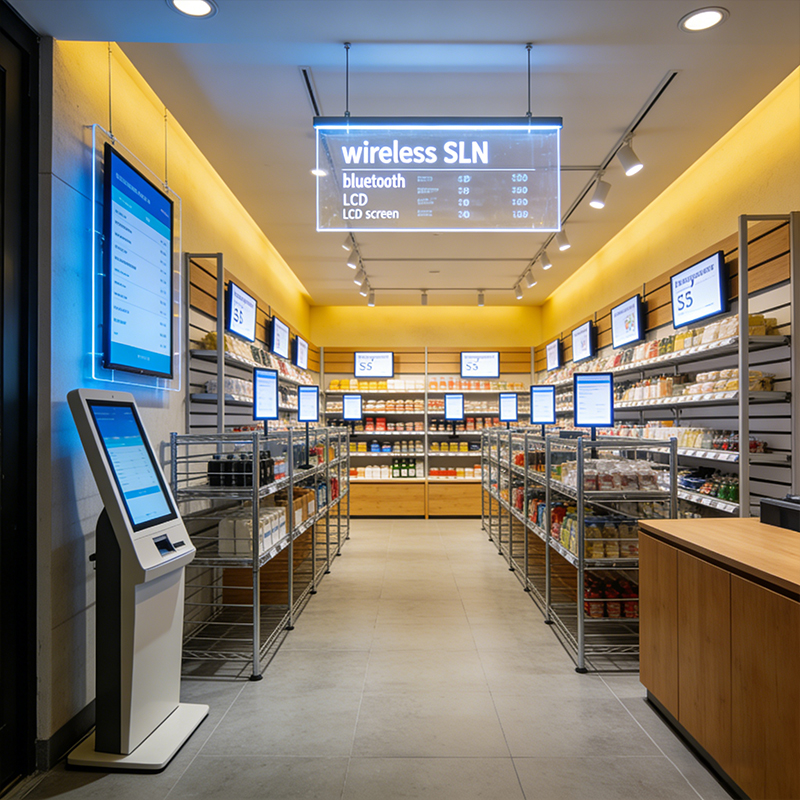
From Static Pricing to Real-Time Control
We used to print labels. Daily.
Now? That sounds inefficient.
According to a 2025 update from the European Central Bank retail digitization brief, price volatility in consumer goods increased by over 6.2% year-on-year, forcing retailers to adjust pricing more frequently than ever before.
Paper tags can’t keep up.
So wireless ESL adoption surged. And bluetooth ESL systems followed, especially in mid-size chains needing lower infrastructure costs.
We’ve installed wireless ESL networks in stores where price updates dropped from 6 hours of manual labor to under 10 minutes.
And here’s the uncomfortable truth: if your pricing isn’t dynamic, you’re leaking margin.
Transparent Screens: More Than Just Visual Tricks
Looks futuristic. Works harder.
Retailers first asked for transparent oled screen setups just for visual appeal. But usage changed fast.
A 2026 Reuters technology report highlighted that transparent display installations in flagship stores increased customer dwell time by 18% on average.
That’s not decoration. That’s measurable behavior shift.
We’ve deployed transparent lcd screen systems embedded into metal frames, merging product visibility with digital storytelling.
So instead of hiding inventory behind screens, you layer information on top of it.
And suddenly, shelves talk.
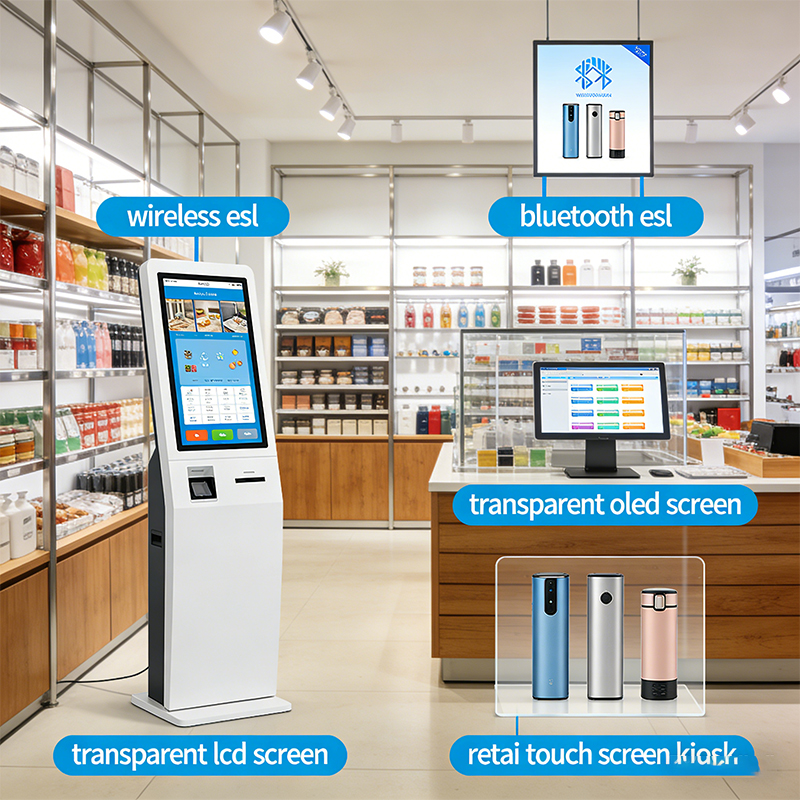
Touch points Matter: The Rise of Interactive Kiosks
People tap. Then buy.
Retail touch screen kiosk systems are no longer optional in high-traffic environments.
We’ve seen stores integrate retail touch screen kiosk units for:
product lookup
inventory checking
self-checkout
And yes, it reduces staff dependency.
According to a 2025 Statista automation in retail report, stores implementing self-service kiosks reduced operational costs by up to 22%.
But here’s the catch.
Bad interface kills usage.
We’ve redesigned retail touch screen kiosk flows three times for one client before customers actually started using them.
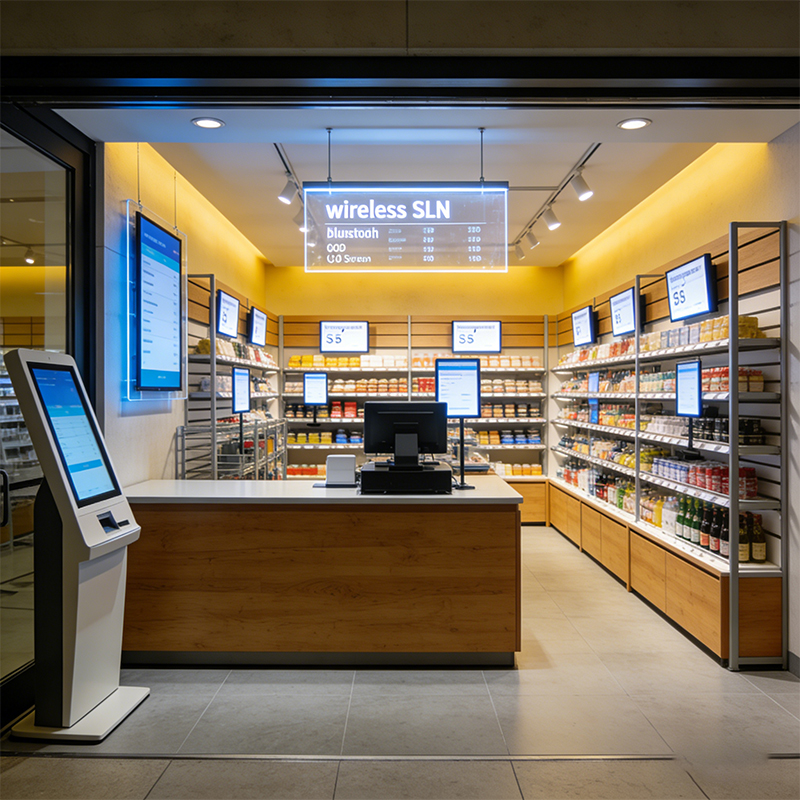
ESL + Fixtures: Integration Is the Real Game
Hardware alone fails.
We learned this the hard way.
Clients bought bluetooth ESL systems but mounted them on outdated racks. Result? No visibility improvement.
So we changed the approach:
integrate wireless ESL into shelf edges
align bluetooth ESL positioning with eye-level zones
combine with transparent oled screen highlight
Now fixtures and tech work together.
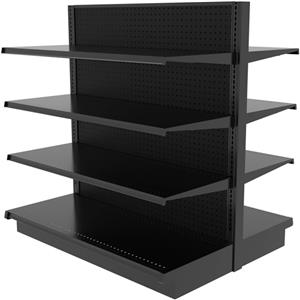
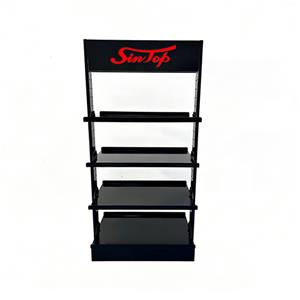
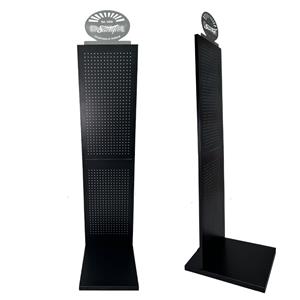
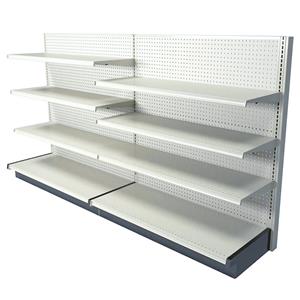
That’s where commercial display racks for global retail brands are evolving—no longer just steel and wood, but hybrid systems.
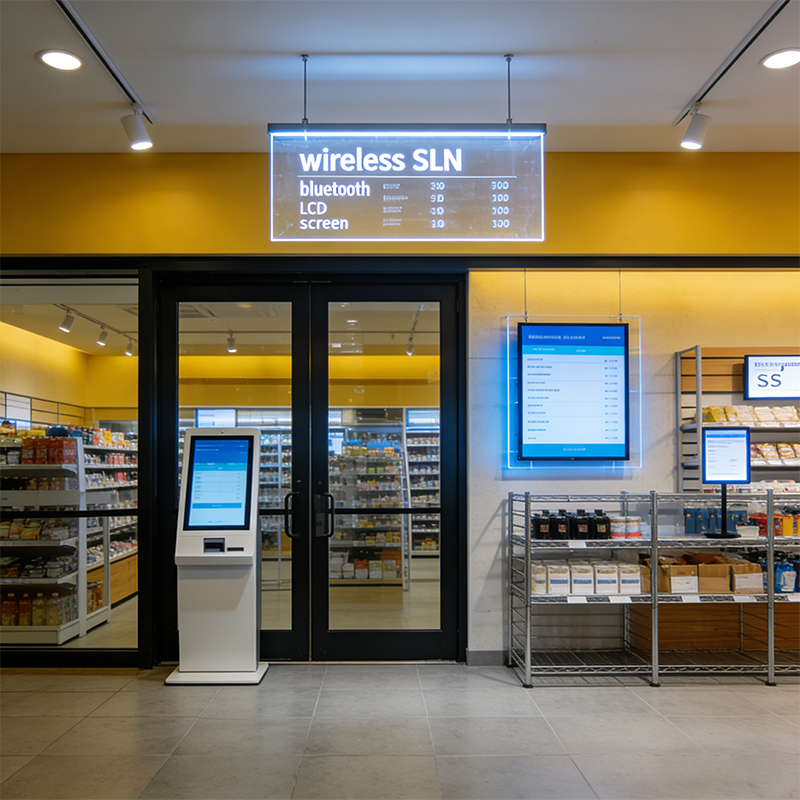
Cost vs ROI: The Real Decision Point
Let’s be honest.
Digital upgrades are expensive upfront.
A full wireless ESL rollout can cost €25–€40 per unit in Europe, depending on scale. Transparent oled screen installations? Even higher.
So why are retailers still investing?
Because ROI is measurable.
Labor savings. Pricing accuracy. Higher engagement.
And when you combine:
bluetooth ESL
retail touch screen kiosk
You don’t just upgrade a store. You rebuild how it sells.
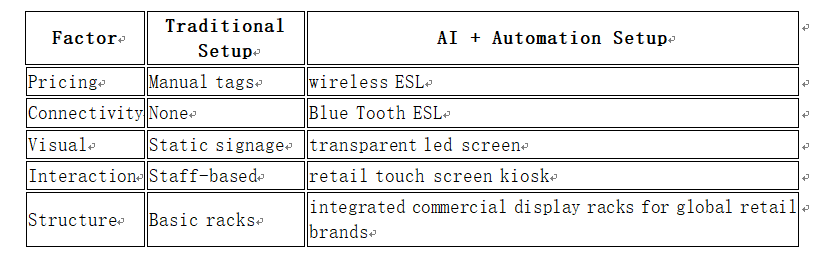
Traditional Display vs AI-Driven Display
We didn’t predict this shift. We adapted to survive it.
FAQ
What is wireless ESL and why is it important in modern retail?
Wireless ESL (electronic shelf label) is a digital pricing system that updates product information remotely through centralized control, allowing retailers to adjust prices in real time, reduce manual errors, and improve operational efficiency in fast-changing retail environments.
How does bluetooth ESL differ from traditional ESL systems?
Bluetooth ESL uses low-energy wireless communication to connect labels directly without complex infrastructure, making it more cost-effective and easier to deploy compared to traditional RF-based ESL systems while maintaining real-time update capability.
What are transparent OLED and transparent LCD screens used for in retail?
Transparent OLED screen and transparent LCD screen technologies are digital display solutions that allow content to appear over visible products, enabling retailers to combine physical merchandise with dynamic information and visual engagement.
Why are retail touch screen kiosk systems becoming popular?
Retail touch screen kiosk systems are interactive digital stations that allow customers to browse products, check inventory, and complete transactions independently, helping reduce labor costs and improve customer experience.
Are digital display systems worth the investment for retailers?
Digital display systems, including wireless ESL and retail touch screen kiosk solutions, are worth the investment because they deliver measurable ROI through labor savings, improved pricing accuracy, and increased customer engagement.
Conclusion: This Is Quiet—but Deep
No hype. Just change.
AI isn’t replacing stores. It’s rewriting them.
And if your shelves still rely on paper tags and static layouts, you’re already behind competitors deploying wireless ESL, bluetooth ESL, and transparent oled screen systems.
CTA
If you’re planning a digital upgrade or entering smart retail markets, now is the time to rethink your infrastructure with experienced partners.
We build integrated commercial display racks for global retail brands that combine:
wireless ESL, bluetooth ESL, transparent oled screen, transparent lcd screen, retail touch screen kiosk
And yes—systems that actually sell.
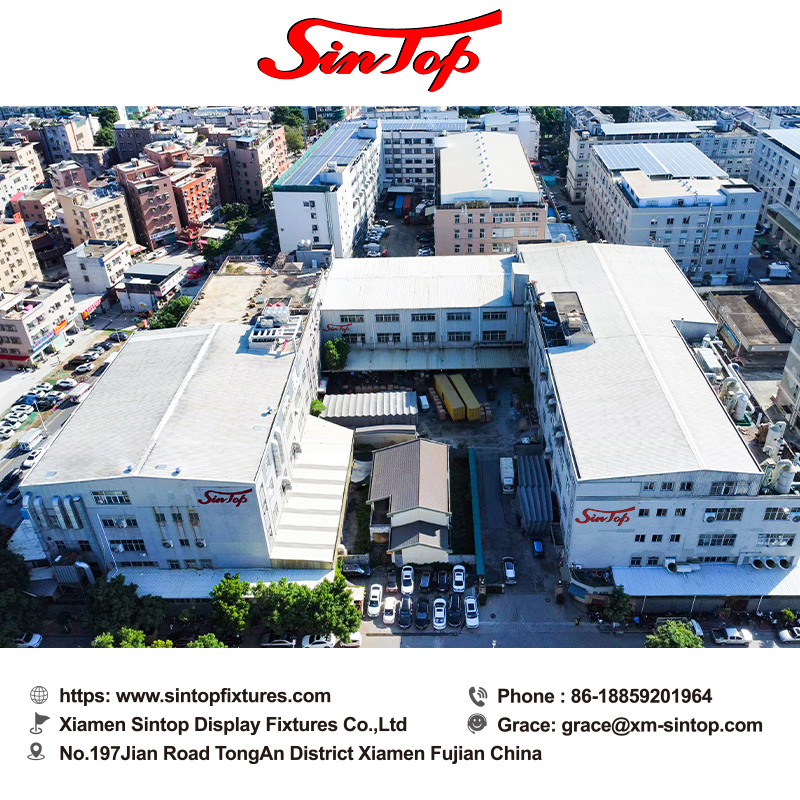
Sintop’s Value
At Sintop, we help brands transition from traditional fixtures to smart retail systems by integrating:
Wireless ESL & bluetooth ESL for real-time pricing
Transparent OLED screen & transparent LCD screen for digital display
Retail touch screen kiosk for interaction
We build integrated display solutions that improve efficiency, flexibility, and store performance.

Contact information
Website: www.sintopfixtures.com
Wechat/WhatsApp: +86 15980885084
Email: elly@xm-sintop.com
FAQ
1. What types of display racks can Sintop provide?
We offer a wide range of custom retail display racks, including metal display racks, wooden display stands, Gondola shelving, grid panels, and mixed-material solutions, tailored to your store layout and brand identity.
2. Can I order a single unit or prototype?
Yes, no minimum order is required. We can produce prototypes or single units as well as large-volume orders.
3. How long does it take to receive an order?
New items: 3–5 weeks for tooling and production.
Reorders: 2–4 weeks depending on product type.
We are flexible and strive to meet your required delivery dates.
4. Can Sintop handle OEM or ODM projects?
Yes, we specialize in OEM and ODM solutions, turning your ideas or drawings into custom, high-quality display racks.
5. How does Sintop ensure quality?
Every display rack undergoes material inspection, welding and structural checks, surface finish testing, and final assembly inspection to ensure durability, safety, and visual appeal.