

Hidden Manufacturing Details Behind Display Rack Quality
For intermediaries, the quality of a display rack is defined not by its appearance, but by the hidden manufacturing details. A reliable display rack manufacturer produces wholesale display racks, touchscreen display kiosk, interactive touchscreen display kiosk, digital kiosk display, and display kiosk, while carefully controlling every step of display rack welding, surface finishing display racks, commercial fixture quality, and the display rack production process. These details directly affect durability, safety, and customer satisfaction, making them key concerns for intermediaries during material selection, inspection, logistics, and direct coordination with Chinese suppliers.
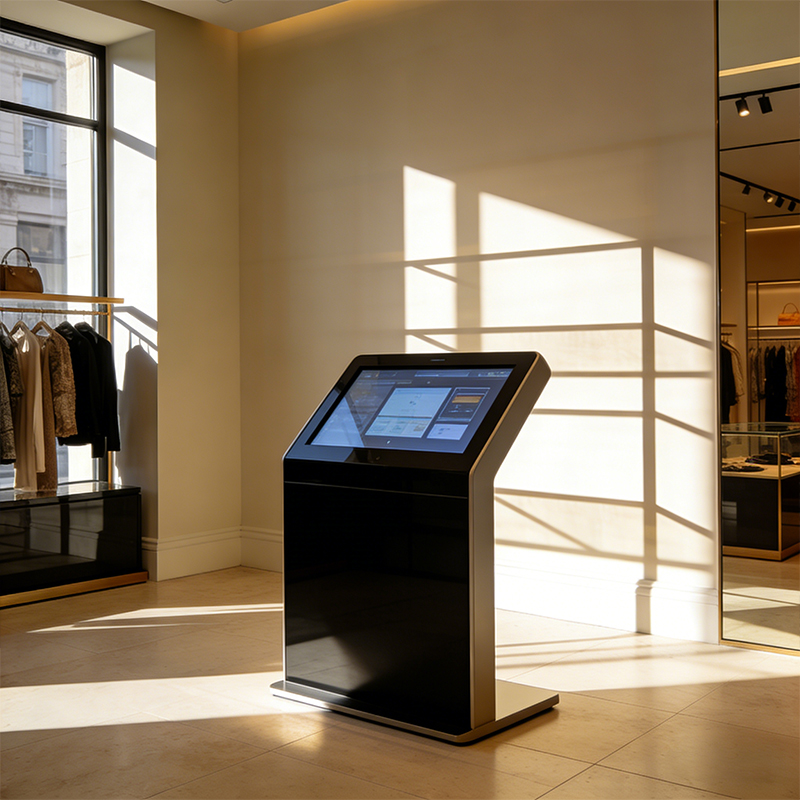
1. The Importance of Display Rack Welding
(Display Rack Welding)
Welding is the core process that determines structural strength. Intermediaries focus on display rack welding quality because the firmness of welds directly affects commercial fixture quality.
For example, a wholesale display racks or display kiosk may look perfect, but poor or uneven welds can lead to insufficient load capacity or long-term deformation. A professional display rack manufacturer uses advanced welding techniques and conducts thorough testing to ensure touchscreen display kiosk and interactive touchscreen display kiosk remain safe and reliable in retail environments.
2. Surface Finishing Display Racks
(Surface Finishing Display Racks)
Beyond structural integrity, surface finishing is a major concern for intermediaries. High-quality surface finishing display racks improve aesthetics and extend service life.
Intermediaries check digital kiosk display and display kiosk for uniform paint, powder coating, or plating, ensuring there are no scratches or bubbles. Proper surface finishing reduces damage during transport and allows retailers to present a professional image immediately after installation.
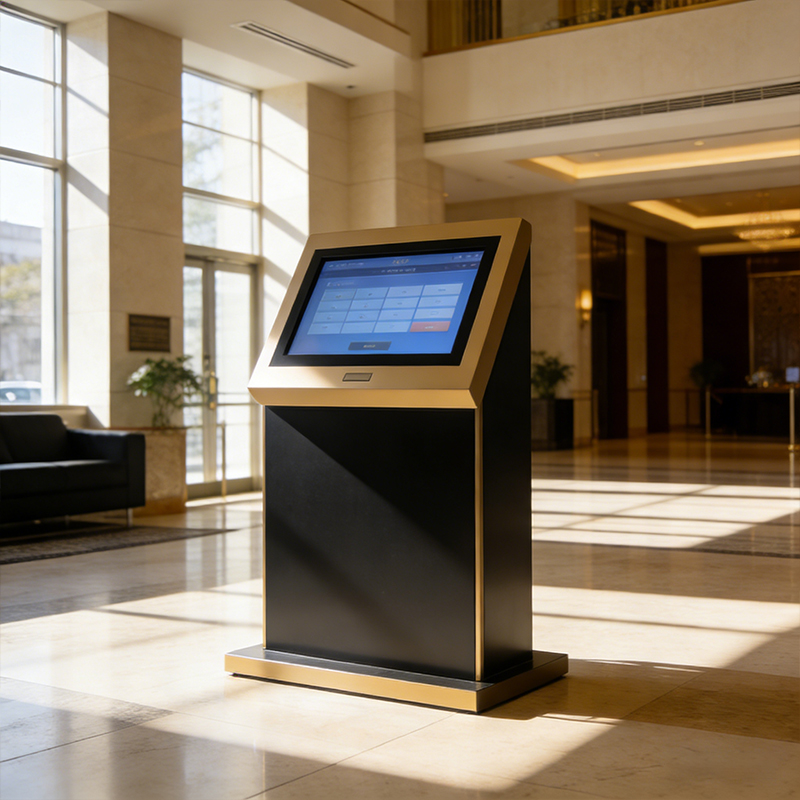
3. Maintaining Commercial Fixture Quality
(Commercial Fixture Quality)
The most important aspect for intermediaries is commercial fixture quality. This includes material selection, welding, surface treatment, and component assembly.
For instance, when sourcing wholesale display racks or touchscreen display kiosk, intermediaries must ensure interactive touchscreen display kiosk are stable and capable of supporting weight without wobbling or tipping. A trustworthy display rack manufacturer provides testing documentation to give intermediaries confidence when recommending products to retailers.
4. Inspection and Logistics Challenges
(Display Rack Production Process)
Even with excellent production, inspection and logistics remain common pain points for intermediaries. A display rack manufacturer may provide batch inspection records, but intermediaries must verify that each wholesale display racks, digital kiosk display, and display kiosk meets quality standards in welding, surface finishing, and component assembly.
Logistics are equally important: improper packaging can damage touchscreen display kiosk or interactive touchscreen display kiosk. Modular or knock-down designs save transport costs and simplify on-site assembly, ensuring display kiosk are installed efficiently and safely.
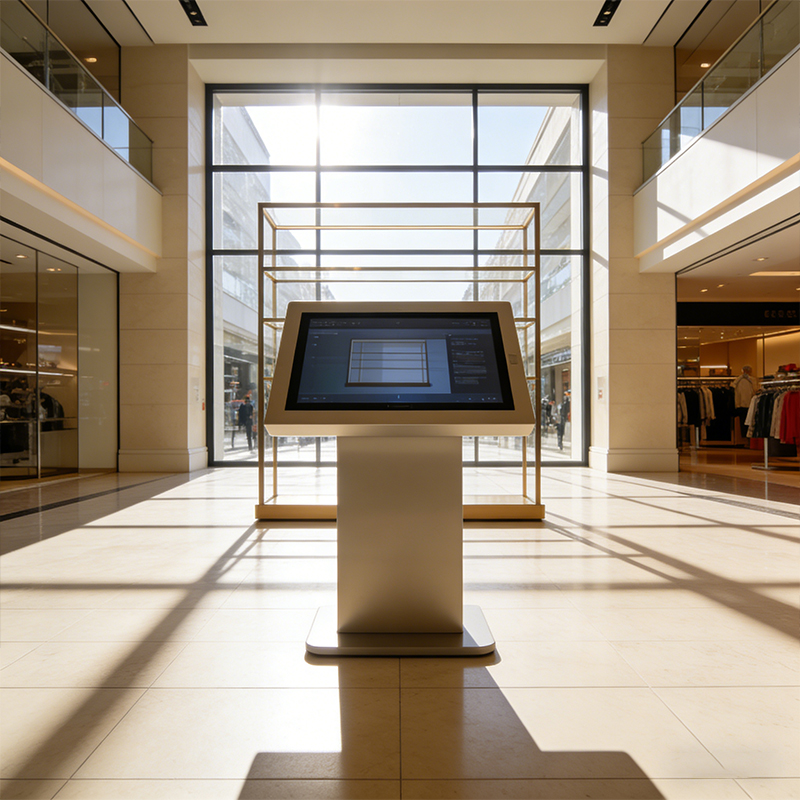
5. Efficient Coordination with Chinese Display Rack Manufacturers
(Display Rack Manufacturer)
Intermediaries benefit most from transparent, efficient partnerships with experienced display rack manufacturers. Clear communication ensures that display rack production processes and commercial fixture quality meet expectations.
When coordinating with suppliers, intermediaries should specify product dimensions, load requirements, surface treatment, and delivery schedules. Experienced factories can optimize packaging and provide assembly instructions for wholesale display racks, touchscreen display kiosk, interactive touchscreen display kiosk, digital kiosk display, and display kiosk, making shipment, inspection, and installation smoother.
FAQ
Q1: Why is welding more important than appearance?
A: Welding determines structural strength and durability, while appearance only affects visual appeal.
Q2: What should intermediaries check in surface finishing display racks?
A: Inspect for uniform coating, scratches, bubbles, and potential peeling to ensure safe transport and installation.
Q3: How can intermediaries ensure commercial fixture quality?
A: By conducting inspections, requesting testing reports, and evaluating welds, materials, and component assembly.
Q4: How can logistics reduce damage to display racks?
A: Use modular design, reinforce packaging, and specify handling instructions clearly.
Q5: How can intermediaries efficiently coordinate with Chinese suppliers?
A: Specify product specifications, load and surface requirements, and maintain communication with regular quality checks.
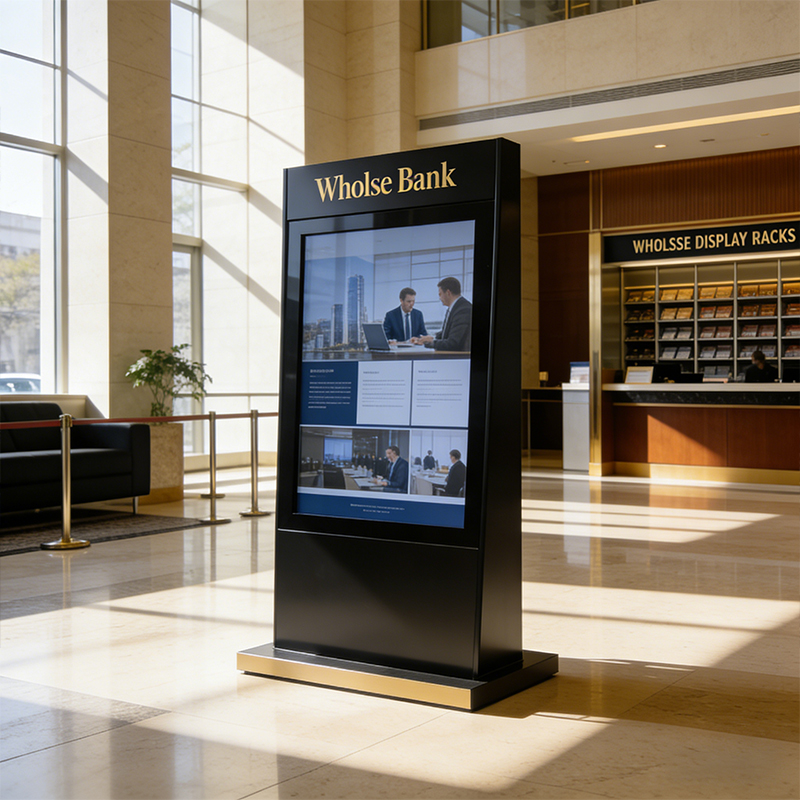
Sintop Value
At Sintop, display rack quality is built long before a product reaches the showroom. As a professional display rack manufacturer, we focus on the hidden manufacturing details that directly impact durability, safety, and long-term performance.
Our process emphasizes consistent display rack welding, ensuring structural strength for products such as wholesale display racks, touchscreen display kiosk, and interactive touchscreen display kiosk. Every weld is executed and checked according to commercial load and stability requirements, not just visual standards.
We also invest heavily in surface finishing display racks, including powder coating, plating, and protective treatments that improve wear resistance and reduce transport damage. Combined with a controlled display rack production process, clear inspection standards, and export-ready packaging, Sintop helps intermediaries reduce risk, minimize rework, and deliver reliable digital kiosk display and display kiosk solutions to retail clients worldwide.

Contact information
Website: www.sintopfixtures.com
Wechat/WhatsApp: +86 15980885084
Email: elly@xm-sintop.com
FAQ
1. What are store fixtures?
Store fixtures are essential equipment and furniture used in retail spaces to display, organize, and store merchandise. Examples include shelving units, racks, display cases, counters, and hooks.
2. Why are store fixtures important?
Store fixtures enhance the shopping experience by organizing products, improving accessibility, maximizing space, and creating appealing displays that attract customers and boost sales.
3. What types of store fixtures are commonly used?
Common types of store fixtures include:
Shelving Units(wall shelves, free-standing shelves, adjustable shelving)
Display Cases (glass cases, countertop cases)
Racks (clothing racks, display racks)
Counters (checkout counters, service counters)
Hooks and Pegboards
End Caps
Signage and Graphics
Mannequins
4. How do I choose the right store fixtures for my retail space?
Consider your merchandise type, store layout, and branding needs. Fixtures should be functional, complement your store's design, and fit within your budget. Evaluate your space to determine the best fixture types and configurations for optimal product presentation and customer flow.
5. Can store fixtures be customized?
Yes, many store fixtures can be customized to align with your store's branding and specific needs. Customization options include materials, colors, sizes, and designs. Collaborating with a fixture supplier or designer can help create fixtures that match your store’s style and functional requirements.
6. How can I maximize space with store fixtures?
Utilize fixtures that optimize vertical space, such as wall-mounted shelves and tall display racks. Modular and adjustable fixtures can adapt to changing merchandise or store layouts. Plan your store layout carefully to ensure efficient use of space and smooth customer flow.
7. How do I maintain store fixtures?
Regularly clean and inspect fixtures to ensure they remain in good condition. Check for wear and tear, and repair or replace damaged parts. Follow manufacturer guidelines for maintenance and cleaning to extend the lifespan of your fixtures.
8. Can store fixtures be used for different types of retail stores?
Yes, store fixtures can be adapted for various retail environments, including clothing stores, electronics shops, grocery stores, and more. The choice of fixtures depends on the specific needs and merchandise of the store.
9. How can store fixtures improve the customer experience?
Well-designed fixtures make products easy to find and browse, enhancing the overall shopping experience. Effective use of fixtures creates an organized, aesthetically pleasing environment that encourages customers to spend more time in the store.
10. Where can I purchase store fixtures?
Store fixtures can be purchased from specialized fixture suppliers, retail equipment stores, or custom fixture manufacturers. Online retailers and local suppliers also offer a wide range of options.