

Why Load Testing Matters More Than Display Appearance
When choosing display racks, intermediaries understand that strength and safety outweigh surface appeal. A reliable display rack factory ensures that all slatwall accessory brackets, wire basket display hooks, gridwall accessory brackets, and wall-mounted shelf brackets meet strict display rack load testing procedures. For intermediaries, prioritizing heavy duty display racks, commercial fixture safety, metal display manufacturing, and display rack quality standards is critical to prevent accidents, reduce returns, and maintain retailer trust. Understanding these priorities helps middlemen manage material selection, inspection, logistics, and direct coordination with Chinese suppliers.
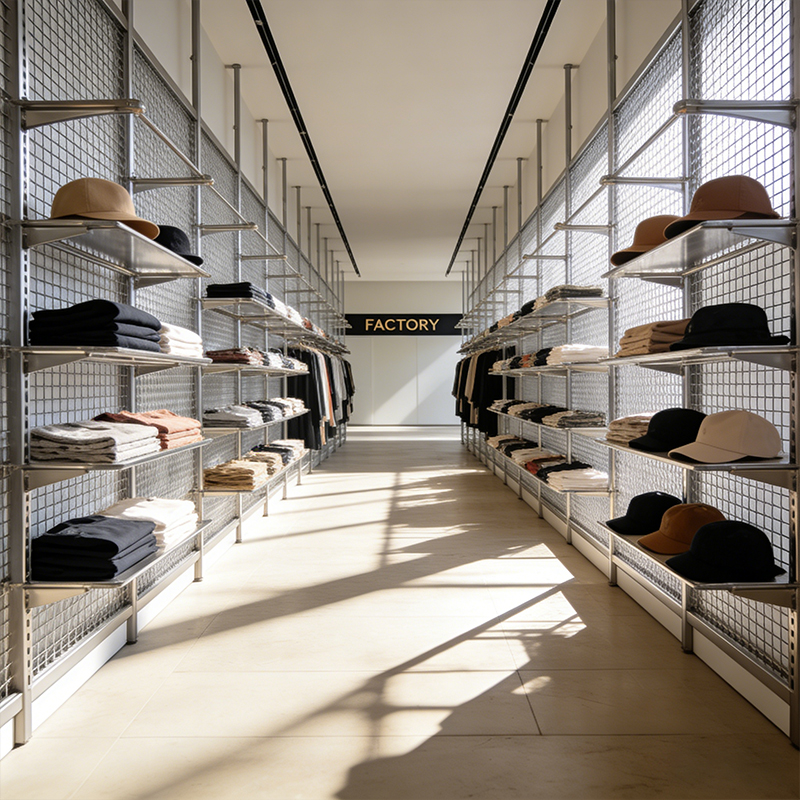
1. Display Rack Load Testing: What Intermediaries Need to Know
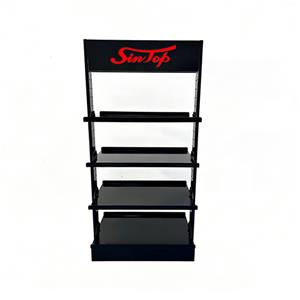
(Display Rack Load Testing)
Load testing determines whether a display rack can handle real-world usage without failure. From the intermediary perspective, visually attractive heavy duty display racks may look perfect but fail under weight stress if not properly tested.
Experienced middlemen insist on checking the weight limits of slatwall accessory brackets and wire basket display hooks in advance. Load testing also validates gridwall accessory brackets and wall-mounted shelf brackets, ensuring that shelves do not deform or collapse over time.
Intermediaries verify that display rack factories provide test results for each product batch, documenting metal display manufacturing processes and compliance with display rack quality standards. This step reduces the risk of structural failure and guarantees commercial safety.
2. Materials and Metal Display Manufacturing
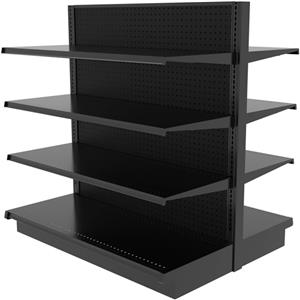
(Metal Display Manufacturing)
Material choice directly impacts load capacity and durability. A display rack factory must use quality metals for frames and components, ensuring heavy duty display racks resist bending or cracking. Intermediaries often review the type of steel, gauge, and welding quality.
Accessory fittings like slatwall accessory brackets and gridwall accessory brackets should also be metal-reinforced for stability. Even wire basket display hooks need proper finishing to prevent deformation under weight. Selecting the right materials at the factory stage saves time on inspection and reduces onsite failures.
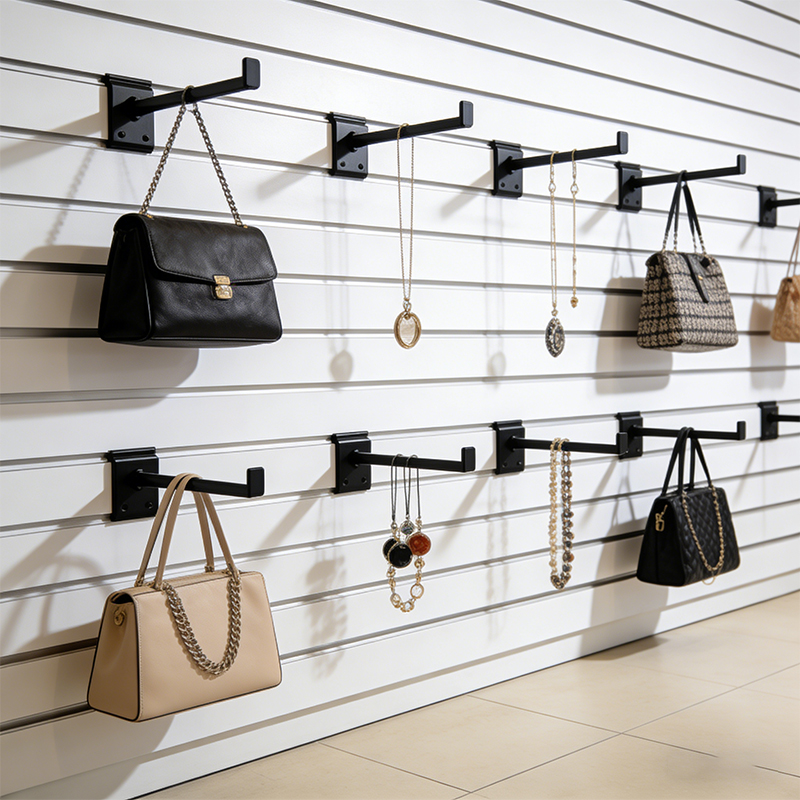
3. Commercial Fixture Safety in Retail Spaces
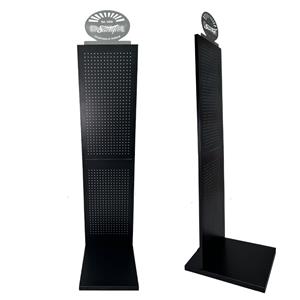
(Commercial Fixture Safety)
Retail environments demand that display racks not only hold products but also ensure customer safety. Intermediaries prioritize display rack load testing and display rack quality standards to prevent accidents.
A well-built wall-mounted shelf bracket should securely hold merchandise without risk of detachment. Similarly, heavy duty display racks should remain stable even in high-traffic areas.
Middlemen advise retailers on layout and installation to maximize safety while maintaining visibility and accessibility of products.
4. Inspection and Logistics Challenges for Intermediaries
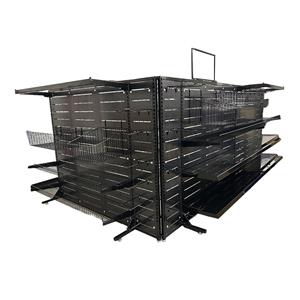
(Display Rack Quality Standards)
Even with excellent design, inspection and logistics present common pain points for intermediaries. Bulk shipments from a display rack factory can arrive damaged if metal display manufacturing standards are inconsistent.
Checks include ensuring that slatwall accessory brackets, wire basket display hooks, gridwall accessory brackets, and wall-mounted shelf brackets arrive without bending, scratches, or loose joints.
Modular and knock-down designs simplify shipping, reduce weight, and make handling easier for intermediaries. Pre-shipment load testing ensures heavy duty display racks perform as promised in retail spaces, minimizing costly returns and rework.
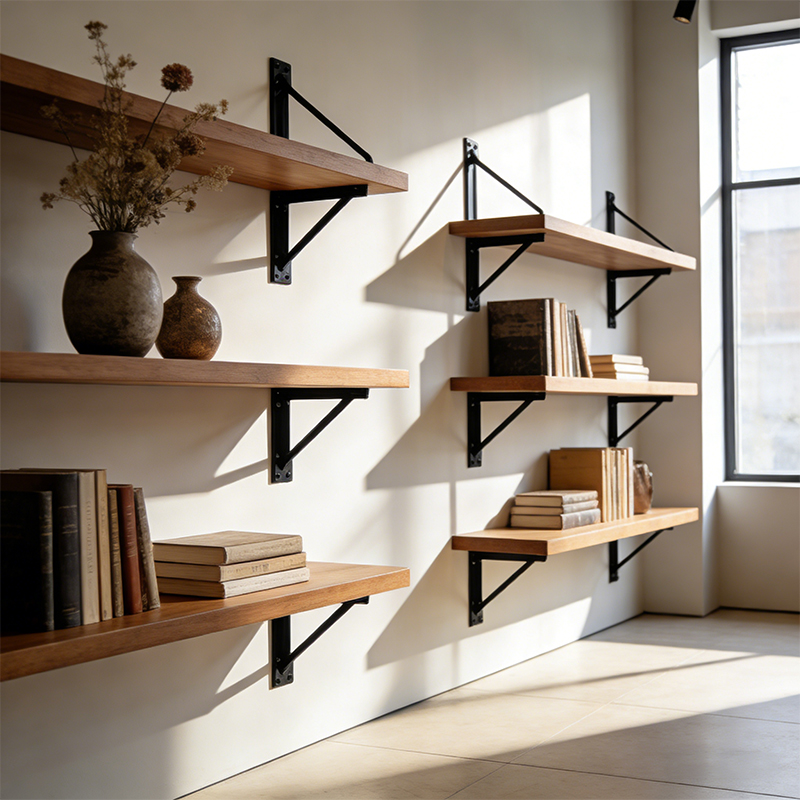
5. Working Efficiently with Chinese Display Rack Factories
(Display Rack Factory)
Intermediaries benefit most from long-term partnerships with experienced display rack factories. Communication is key: specifying heavy duty display racks, required load capacities, and display rack quality standards upfront reduces errors and production delays.
Suppliers familiar with export standards can optimize packaging, provide assembly instructions for slatwall accessory brackets, wire basket display hooks, gridwall accessory brackets, and wall-mounted shelf brackets, and help intermediaries manage on-site installation efficiently. This collaboration ensures commercial safety, durability, and overall customer satisfaction.
FAQ
Q1: Why is load testing more important than appearance?
A: Because even visually perfect racks can fail under weight, risking safety and returns.
Q2: What should intermediaries inspect in a display rack shipment?
A: Metal quality, welds, brackets, load capacity, and surface finish of all components.
Q3: How can accessory fittings improve stability?
A: Reinforced slatwall accessory brackets and gridwall accessory brackets provide reliable attachment points for merchandise.
Q4: Are wall-mounted shelf brackets safe for heavy merchandise?
A: When designed and load-tested according to factory display rack quality standards, yes.
Q5: How can intermediaries ensure heavy duty display racks perform well?
A: By coordinating with the display rack factory on material selection, load testing, and shipping methods.

Sintop Value
At Sintop, we believe load testing is the foundation of every reliable display system. While appearance influences first impressions, real performance depends on structural strength, material selection, and verified load capacity.
As a display rack factory with extensive experience in heavy duty display racks, we apply standardized load testing to components such as slatwall accessory brackets, wire basket display hooks, gridwall accessory brackets, and wall-mounted shelf brackets. These tests confirm stability under real retail conditions, not just ideal showroom scenarios.
Beyond testing, Sintop integrates metal thickness control, welding consistency, and surface durability into our metal display manufacturing process. Clear inspection standards and export-ready packaging further reduce risk for intermediaries, helping them deliver safer, longer-lasting fixtures to their retail partners. Our focus is not only how a rack looks, but how it performs throughout its full lifecycle.

Contact information
Website: www.sintopfixtures.com
Wechat/WhatsApp: +86 15980885084
Email: elly@xm-sintop.com
FAQ
1. What are store fixtures?
Store fixtures are essential equipment and furniture used in retail spaces to display, organize, and store merchandise. Examples include shelving units, racks, display cases, counters, and hooks.
2. Why are store fixtures important?
Store fixtures enhance the shopping experience by organizing products, improving accessibility, maximizing space, and creating appealing displays that attract customers and boost sales.
3. What types of store fixtures are commonly used?
Common types of store fixtures include:
Shelving Units(wall shelves, free-standing shelves, adjustable shelving)
Display Cases (glass cases, countertop cases)
Racks (clothing racks, display racks)
Counters (checkout counters, service counters)
Hooks and Pegboards
End Caps
Signage and Graphics
Mannequins
4. How do I choose the right store fixtures for my retail space?
Consider your merchandise type, store layout, and branding needs. Fixtures should be functional, complement your store's design, and fit within your budget. Evaluate your space to determine the best fixture types and configurations for optimal product presentation and customer flow.
5. Can store fixtures be customized?
Yes, many store fixtures can be customized to align with your store's branding and specific needs. Customization options include materials, colors, sizes, and designs. Collaborating with a fixture supplier or designer can help create fixtures that match your store’s style and functional requirements.
6. How can I maximize space with store fixtures?
Utilize fixtures that optimize vertical space, such as wall-mounted shelves and tall display racks. Modular and adjustable fixtures can adapt to changing merchandise or store layouts. Plan your store layout carefully to ensure efficient use of space and smooth customer flow.
7. How do I maintain store fixtures?
Regularly clean and inspect fixtures to ensure they remain in good condition. Check for wear and tear, and repair or replace damaged parts. Follow manufacturer guidelines for maintenance and cleaning to extend the lifespan of your fixtures.
8. Can store fixtures be used for different types of retail stores?
Yes, store fixtures can be adapted for various retail environments, including clothing stores, electronics shops, grocery stores, and more. The choice of fixtures depends on the specific needs and merchandise of the store.
9. How can store fixtures improve the customer experience?
Well-designed fixtures make products easy to find and browse, enhancing the overall shopping experience. Effective use of fixtures creates an organized, aesthetically pleasing environment that encourages customers to spend more time in the store.
10. Where can I purchase store fixtures?
Store fixtures can be purchased from specialized fixture suppliers, retail equipment stores, or custom fixture manufacturers. Online retailers and local suppliers also offer a wide range of options.