

Why Product Rotation Fails Without the Right Display Structure
In beauty retail, product rotation only works when the structure behind it is correct. For sourcing professionals, failed rotation is rarely about the product itself. It is usually caused by weak tailor-made display racks that cannot support frequent change. Without reliable custom beauty display equipment, even premium brands struggle to keep a clean retail cosmetics display. When cosmetics store fixtures lack flexibility, cosmetics display design becomes a cost instead of a tool.
From a middleman’s view, rotation success depends on material choice, inspection control, and logistics planning as much as visual layout.
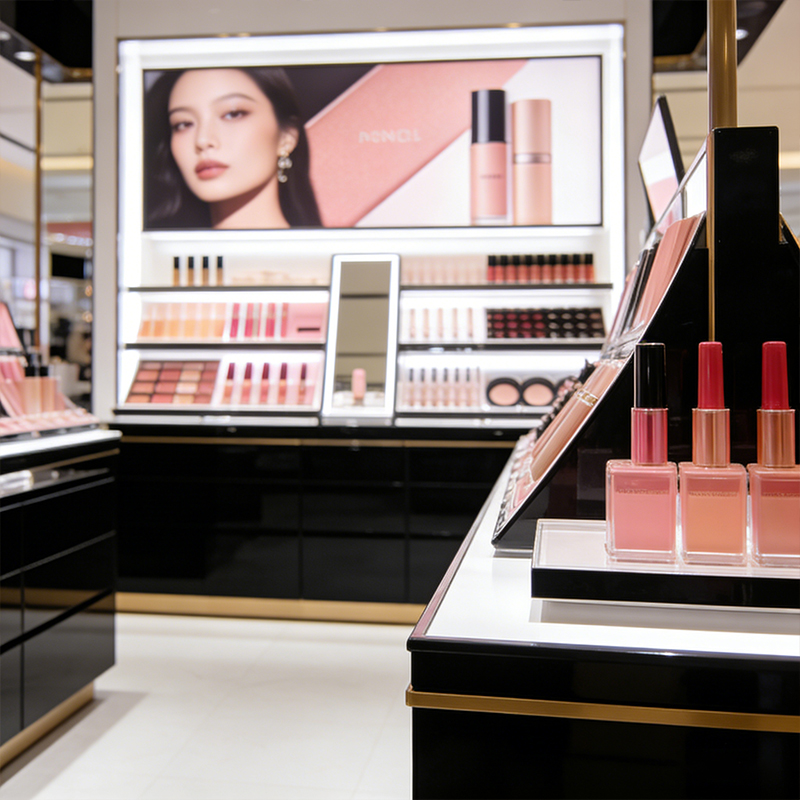
Why Product Rotation Depends on Structure First
Product rotation requires constant movement. If tailor-made display racks are not designed for repeat adjustments, rotation slows down. Experienced buyers know that strong custom beauty display equipment allows brands to refresh retail cosmetics display layouts without replacing fixtures.
Unstable cosmetics store fixtures cause uneven loading and damaged packaging. When cosmetics display design ignores structural balance, staff stop rotating products simply to avoid problems. Rotation fails not from lack of planning, but from weak execution at the fixture level.
Adjustable and Modular Design Reduce Rotation Failure
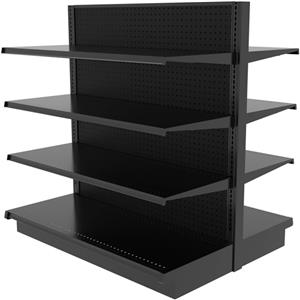
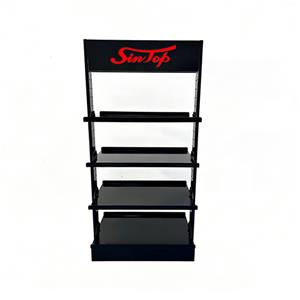
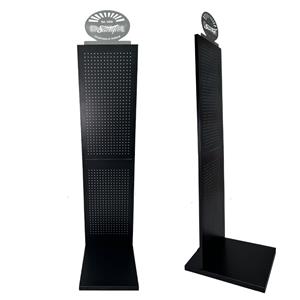
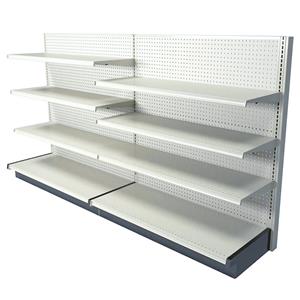
Smart rotation depends on Adjustable Display Racks and Modular Fixture Design. A well-planned tailor-made display racks system allows shelves, hooks, and trays to move easily. Flexible custom beauty display equipment supports seasonal changes without redesign.
Middlemen benefit when retail cosmetics display units can be reused across campaigns. Modular cosmetics store fixtures reduce replacement cost and simplify updates. Good cosmetics display design treats rotation as a routine task, not a reset.
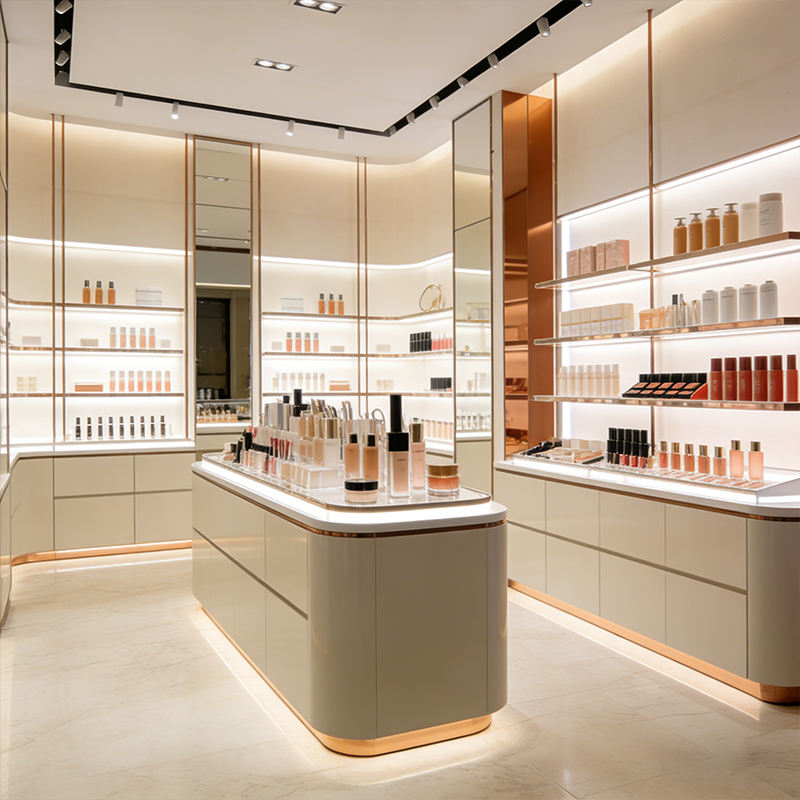
Material Choice and Inspection Pain Points
Material strength defines lifespan. Steel-framed tailor-made display racks handle repeated changes better than lightweight alternatives. Quality custom beauty display equipment maintains shape even after many adjustments.
Inspection is a major concern for middlemen. Sample approval does not guarantee bulk quality. Poor welding or loose fittings in retail cosmetics display units appear only after use. Reliable cosmetics store fixtures require clear specs and tolerance checks. Durable cosmetics display design reduces returns and delays.
Logistics and Packaging Affect Rotation Speed
Rotation speed depends on delivery condition. Flat-pack tailor-made display racks lower shipping cost and reduce damage. Experienced factories producing custom beauty display equipment design cartons to protect finishes and parts.
When retail cosmetics display units arrive damaged, rotation schedules fail. Modular cosmetics store fixtures simplify handling and storage. Thoughtful cosmetics display design includes packaging plans that support fast rollout.
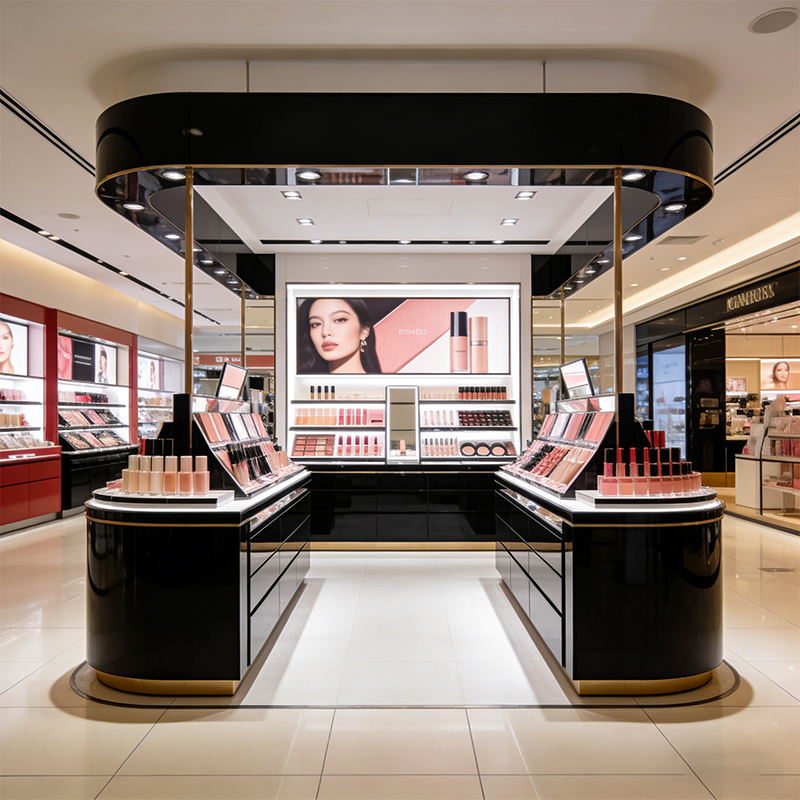
Working Efficiently with Chinese Display Manufacturers
Successful sourcing starts with structure clarity. Middlemen should confirm load capacity and adjustment limits for all tailor-made display racks. Clear drawings help suppliers deliver consistent custom beauty display equipment.
Factories familiar with export markets understand retail cosmetics display standards. Stable cosmetics store fixtures come from long-term cooperation, not one-off orders. Reliable cosmetics display design improves rotation efficiency across markets.
FAQ
Q1: Why does product rotation fail in cosmetics retail?
Rotation fails when tailor-made display racks cannot support frequent layout changes in retail cosmetics display environments.
Q2: What should middlemen focus on during inspection?
Check joint strength on custom beauty display equipment, alignment of cosmetics store fixtures, and stability related to cosmetics display design.
Q3: How can logistics improve rotation efficiency?
Flat-pack tailor-made display racks and modular custom beauty display equipment reduce damage and speed up deployment.
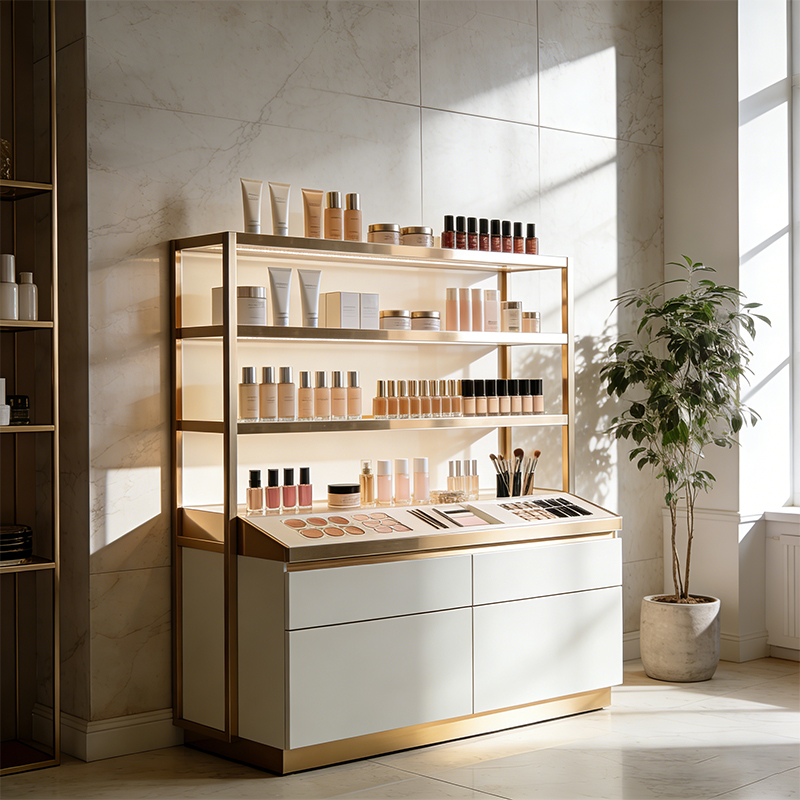
Sintop Value
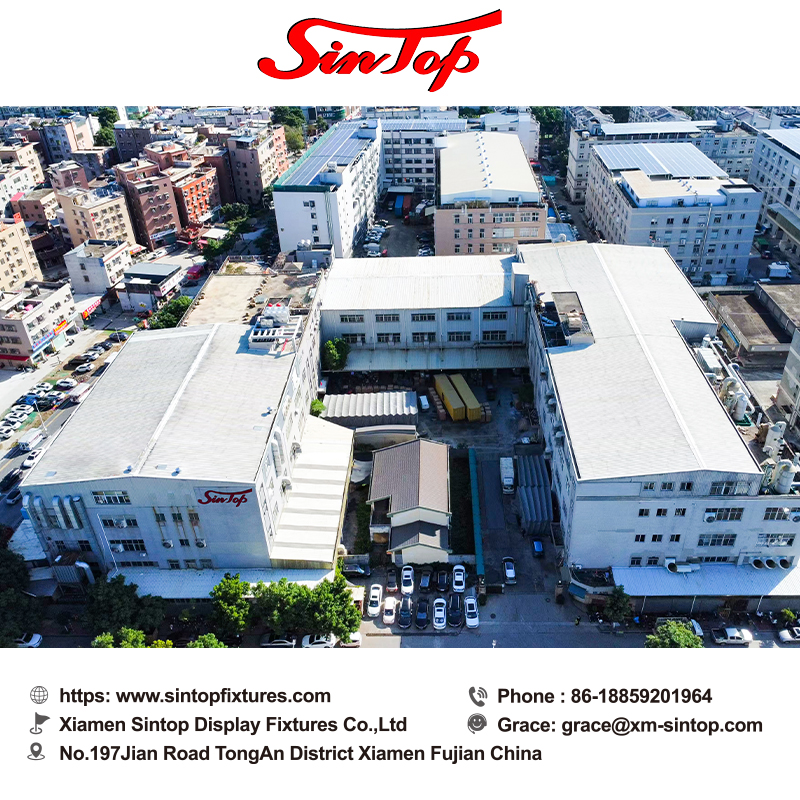
At Sintop, we see product rotation as a structural challenge—not a merchandising problem. Successful rotation depends on whether tailor-made display racks are engineered for repeated adjustment, long-term stability, and mass production consistency.
Our custom beauty display equipment is developed with real retail usage in mind: frequent layout changes, high-touch environments, and international logistics. By focusing on material strength, modular construction, and clear inspection standards, we help distributors reduce downtime caused by damaged or inflexible cosmetics store fixtures.
Beyond manufacturing, Sintop integrates packaging and logistics planning into early-stage cosmetics display design. Flat-pack systems and reinforced protection ensure that retail cosmetics displays arrive ready for rapid deployment, allowing rotation strategies to stay on schedule across multiple markets.
Our value is not in visual concepts alone—but in delivering display structures that make rotation reliable, repeatable, and scalable.

Contact information
Website: www.sintopfixtures.com
Wechat/WhatsApp: +86 15980885084
Email: elly@xm-sintop.com
FAQ
1. What are store fixtures?
Store fixtures are essential equipment and furniture used in retail spaces to display, organize, and store merchandise. Examples include shelving units, racks, display cases, counters, and hooks.
2. Why are store fixtures important?
Store fixtures enhance the shopping experience by organizing products, improving accessibility, maximizing space, and creating appealing displays that attract customers and boost sales.
3. What types of store fixtures are commonly used?
Common types of store fixtures include:
Shelving Units(wall shelves, free-standing shelves, adjustable shelving)
Display Cases (glass cases, countertop cases)
Racks (clothing racks, display racks)
Counters (checkout counters, service counters)
Hooks and Pegboards
End Caps
Signage and Graphics
Mannequins
4. How do I choose the right store fixtures for my retail space?
Consider your merchandise type, store layout, and branding needs. Fixtures should be functional, complement your store's design, and fit within your budget. Evaluate your space to determine the best fixture types and configurations for optimal product presentation and customer flow.
5. Can store fixtures be customized?
Yes, many store fixtures can be customized to align with your store's branding and specific needs. Customization options include materials, colors, sizes, and designs. Collaborating with a fixture supplier or designer can help create fixtures that match your store’s style and functional requirements.
6. How can I maximize space with store fixtures?
Utilize fixtures that optimize vertical space, such as wall-mounted shelves and tall display racks. Modular and adjustable fixtures can adapt to changing merchandise or store layouts. Plan your store layout carefully to ensure efficient use of space and smooth customer flow.
7. How do I maintain store fixtures?
Regularly clean and inspect fixtures to ensure they remain in good condition. Check for wear and tear, and repair or replace damaged parts. Follow manufacturer guidelines for maintenance and cleaning to extend the lifespan of your fixtures.
8. Can store fixtures be used for different types of retail stores?
Yes, store fixtures can be adapted for various retail environments, including clothing stores, electronics shops, grocery stores, and more. The choice of fixtures depends on the specific needs and merchandise of the store.
9. How can store fixtures improve the customer experience?
Well-designed fixtures make products easy to find and browse, enhancing the overall shopping experience. Effective use of fixtures creates an organized, aesthetically pleasing environment that encourages customers to spend more time in the store.
10. Where can I purchase store fixtures?
Store fixtures can be purchased from specialized fixture suppliers, retail equipment stores, or custom fixture manufacturers. Online retailers and local suppliers also offer a wide range of options.