

How Display Racks Improve In-Store Navigation and Flow
Effective store navigation is never accidental. In modern retail projects, well-planned made-to-order display fixtures, merchandise displays, mobile shop display counter, metal store shelving, and display box for shop play a direct role in guiding customer movement, increasing dwell time, and improving conversion rates.
For intermediaries, display racks are not just store equipment—they are operational tools that connect store traffic flow, supplier coordination, quality control, and logistics execution into one commercial result.
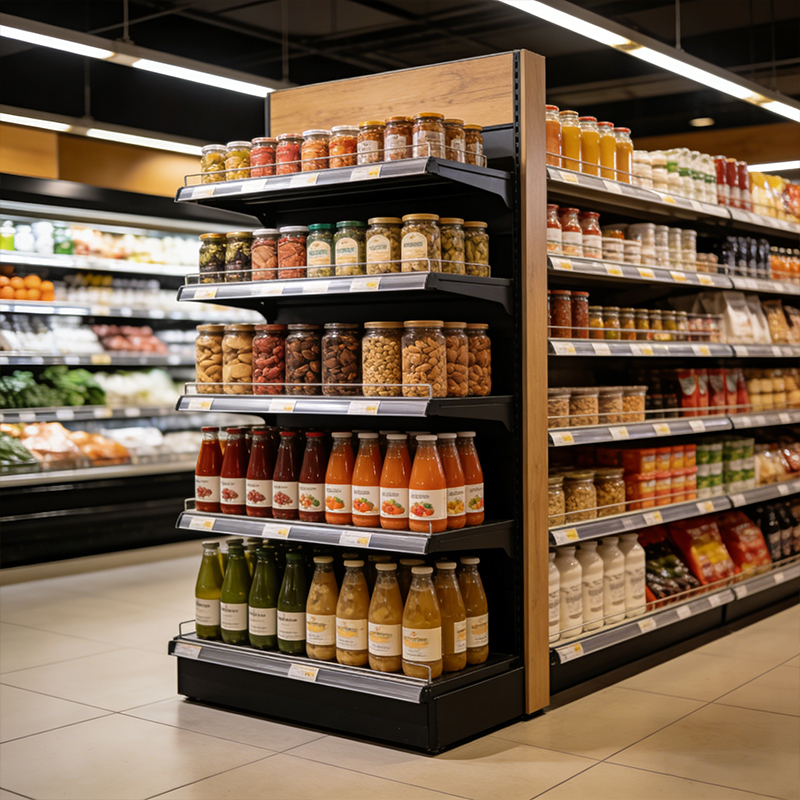
How Display Racks Shape Store Traffic Flow Design
(Store Traffic Flow Design)
From an intermediary’s point of view, poor store traffic flow often leads to dissatisfied retailers, redesign requests, and unexpected cost increases.
Strategically placed made-to-order display fixtures allow retailers to guide customers naturally through key zones without forced barriers. When merchandise displays are aligned with customer walking habits, shoppers slow down, browse longer, and engage more deeply with products.
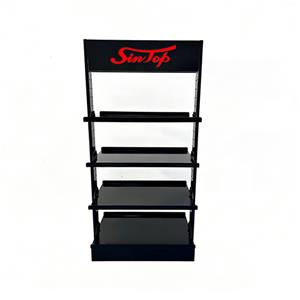
A mobile shop display counter is especially useful at entrances and promotional areas. Its flexibility helps stores redirect traffic during seasonal campaigns while keeping movement smooth.
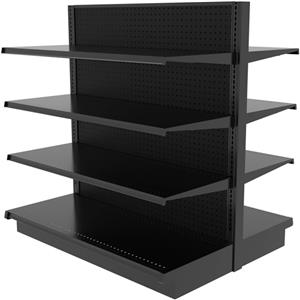
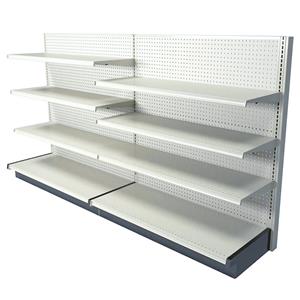
Properly positioned metal store shelving keeps aisles open and predictable, reducing congestion and confusion.
Material Choices That Support Floor Display Racks Stability
(Floor Display Racks)
Material selection is one of the most common pain points for intermediaries.
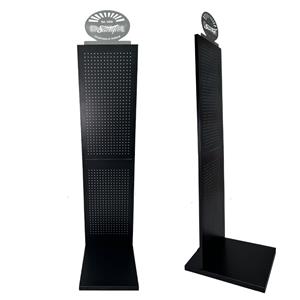
If metal store shelving is produced with inconsistent steel thickness or weak welding, floor display racks can shake under heavy customer traffic, damaging brand perception and creating safety risks.
Experienced intermediaries always confirm:
Structural integrity of metal store shelving
Load-bearing capacity of made-to-order display fixtures
Surface treatment durability for high-touch areas
Smaller zones benefit from compact display box for shop solutions, which help control traffic direction without blocking sightlines.
Well-built merchandise displays ensure stable product presentation even during peak hours.
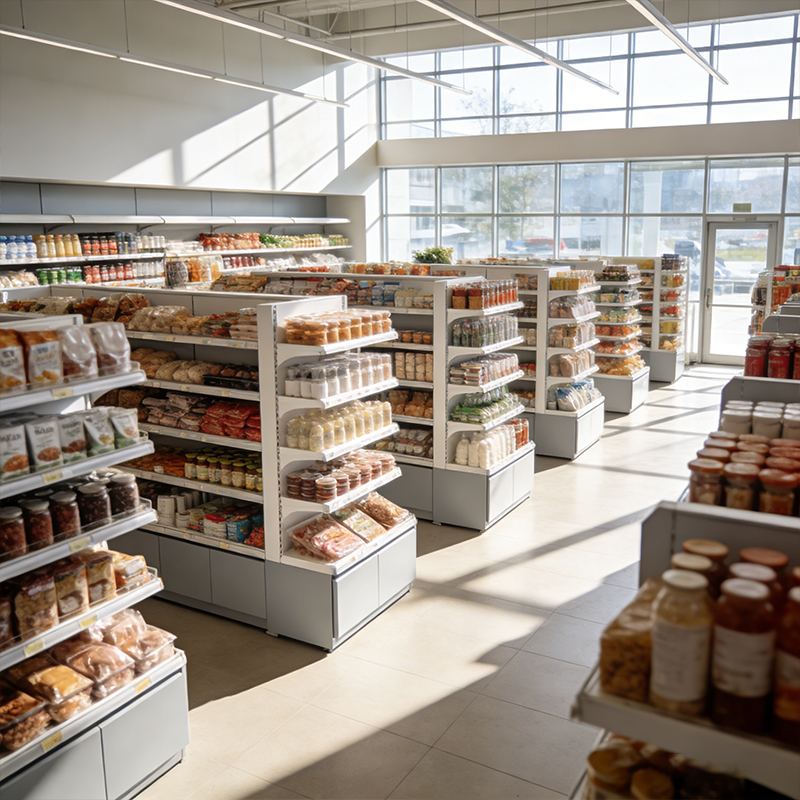
Commercial Space Planning from an Intermediary Perspective
(Commercial Space Planning)
For intermediaries, commercial space planning is less about concepts and more about execution accuracy.
Common challenges include mismatched dimensions, delayed revisions, and layout conflicts between merchandise displays and brand standards.
Using made-to-order display fixtures allows early confirmation of sizes, spacing, and combinations of mobile shop display counter and metal store shelving.
This reduces on-site modifications and avoids costly delays.
A properly sized display box for shop helps separate customer flow zones while maintaining a clean path. When planned correctly, merchandise displays work with traffic instead of against it.
Inspection and Logistics: Real Concerns for Intermediaries
(Retail Experience Design)
Retail experience is built through execution details, and intermediaries are responsible for controlling them.
During inspection, the focus should be on:
Structural accuracy of metal store shelving
Smooth mobility of the mobile shop display counter
Packaging suitability of each display box for shop
From a logistics standpoint, made-to-order display fixtures should support knock-down structures to lower shipping costs.
Reliable suppliers optimize packing for merchandise displays, reducing damage and simplifying warehouse handling.
When logistics run smoothly, the final retail experience design remains consistent with the original store plan.
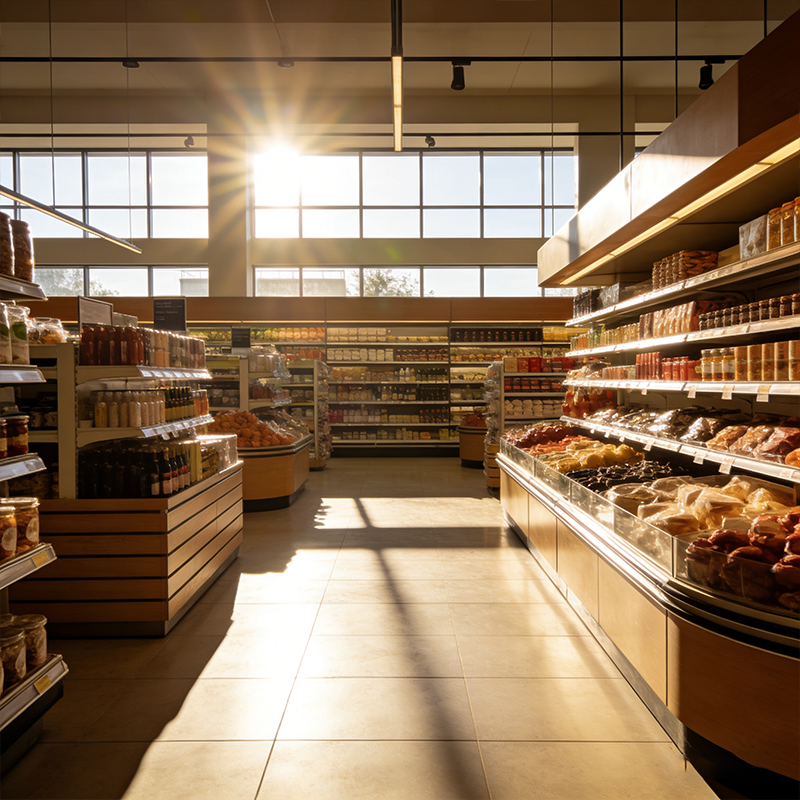
Working Efficiently with Chinese Store Display Fixtures Suppliers
(Store Display Fixtures)
For intermediaries, long-term cooperation matters more than short-term pricing.
A strong supplier should understand international standards for store display fixtures and demonstrate flexibility with made-to-order display fixtures.
Key evaluation points include:
Proven experience with metal store shelving
Customization ability for mobile shop display counter
Clear communication during sampling and revisions
Suppliers who proactively optimize merchandise displays and display box for shop configurations help intermediaries reduce coordination time and project risk.
FAQ
Q1: Why are made-to-order display fixtures better for intermediaries?
A: They reduce on-site adjustments, improve layout accuracy, and support smoother project execution.
Q2: Is metal store shelving suitable for all retail spaces?
A: It works best in high-traffic and high-load areas when produced to commercial standards.
Q3: What makes a mobile shop display counter valuable?
A: Its flexibility allows quick layout changes without disrupting customer flow.
Q4: Does a display box for shop block store navigation?
A: When planned correctly, it helps guide traffic and increases product visibility.
Q5: How do merchandise displays affect customer behavior?
A: Clear, well-spaced merchandise displays encourage longer browsing and better engagement.
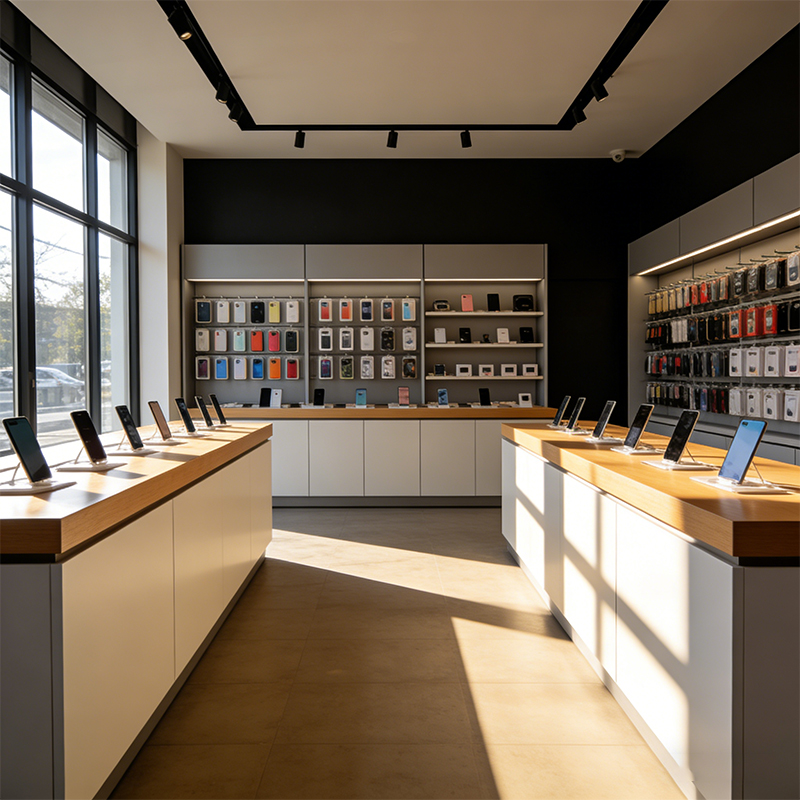
Sintop Value
At Sintop, we view display racks as part of a store’s operational system, not just visual furniture. Well-designed made-to-order display fixtures help retailers control customer flow, reduce congestion, and maintain clear navigation paths across different store formats.
Our experience with metal store shelving, mobile shop display counter solutions, and compact display box for shop systems allows us to support precise space planning from the early design stage. By confirming dimensions, load capacity, and traffic logic before production, we help intermediaries avoid costly on-site adjustments.
Beyond manufacturing, Sintop integrates inspection standards and logistics planning into every project. Knock-down structures, stable packaging, and consistent quality control ensure that merchandise displays arrive ready for installation and perform reliably in high-traffic environments. This approach helps our partners deliver smoother store rollouts and predictable retail performance across markets.

Contact information
Website: www.sintopfixtures.com
Wechat/WhatsApp: +86 15980885084
Email: elly@xm-sintop.com
FAQ
1. What are store fixtures?
Store fixtures are essential equipment and furniture used in retail spaces to display, organize, and store merchandise. Examples include shelving units, racks, display cases, counters, and hooks.
2. Why are store fixtures important?
Store fixtures enhance the shopping experience by organizing products, improving accessibility, maximizing space, and creating appealing displays that attract customers and boost sales.
3. What types of store fixtures are commonly used?
Common types of store fixtures include:
Shelving Units(wall shelves, free-standing shelves, adjustable shelving)
Display Cases (glass cases, countertop cases)
Racks (clothing racks, display racks)
Counters (checkout counters, service counters)
Hooks and Pegboards
End Caps
Signage and Graphics
Mannequins
4. How do I choose the right store fixtures for my retail space?
Consider your merchandise type, store layout, and branding needs. Fixtures should be functional, complement your store's design, and fit within your budget. Evaluate your space to determine the best fixture types and configurations for optimal product presentation and customer flow.
5. Can store fixtures be customized?
Yes, many store fixtures can be customized to align with your store's branding and specific needs. Customization options include materials, colors, sizes, and designs. Collaborating with a fixture supplier or designer can help create fixtures that match your store’s style and functional requirements.
6. How can I maximize space with store fixtures?
Utilize fixtures that optimize vertical space, such as wall-mounted shelves and tall display racks. Modular and adjustable fixtures can adapt to changing merchandise or store layouts. Plan your store layout carefully to ensure efficient use of space and smooth customer flow.
7. How do I maintain store fixtures?
Regularly clean and inspect fixtures to ensure they remain in good condition. Check for wear and tear, and repair or replace damaged parts. Follow manufacturer guidelines for maintenance and cleaning to extend the lifespan of your fixtures.
8. Can store fixtures be used for different types of retail stores?
Yes, store fixtures can be adapted for various retail environments, including clothing stores, electronics shops, grocery stores, and more. The choice of fixtures depends on the specific needs and merchandise of the store.
9. How can store fixtures improve the customer experience?
Well-designed fixtures make products easy to find and browse, enhancing the overall shopping experience. Effective use of fixtures creates an organized, aesthetically pleasing environment that encourages customers to spend more time in the store.
10. Where can I purchase store fixtures?
Store fixtures can be purchased from specialized fixture suppliers, retail equipment stores, or custom fixture manufacturers. Online retailers and local suppliers also offer a wide range of options.