

Why Experiential Retail Is Driving Demand for Custom Display Fixtures?
Let’s cut the corporate jargon. The retail industry is in the middle of a structural shift, and the physical hardware of the store—the fixtures themselves—is the single biggest bottleneck to success. At ISE 2026, the narrative was clear: the future of physical retail is immersive. Retailers are pouring capital into flagship stores, integrating digital screens, interactive AR elements, and modular displays to craft environments that justify a customer’s journey. But what I don't hear enough about is the brutal reality of implementation. The pivot to experiential retail is creating a massive, unspoken demand for highly engineered custom display fixtures. The generic, off-the-shelf retail display stands of the past simply cannot support the technological and structural demands of a truly immersive environment.
The raw data from the British Retail Consortium paints a stark picture of the pressure retailers are under. June 2026 saw total UK footfall drop 3.4% year-on-year, a decline that worsened from May's -2.6%. High streets were hit particularly hard, with footfall cratering by 6.2%. The narrative from the BRC’s Helen Dickinson is that the "record heatwave kept many shoppers indoors," and that air-conditioned shopping centres and retail parks proved "more resilient". This is correct, but it's only half the story. Even in air-conditioned environments, footfall was down. The real battle is for the customer's attention once they are in the store.
This is where effective visual merchandising becomes critical to survival. Retailers cannot afford to have a customer walk in, browse passively for 10 minutes, and leave. They need to stop them, engage them, and create a reason to stay. This is precisely why experiential retail is moving from a "nice-to-have" to a "must-have" strategy.
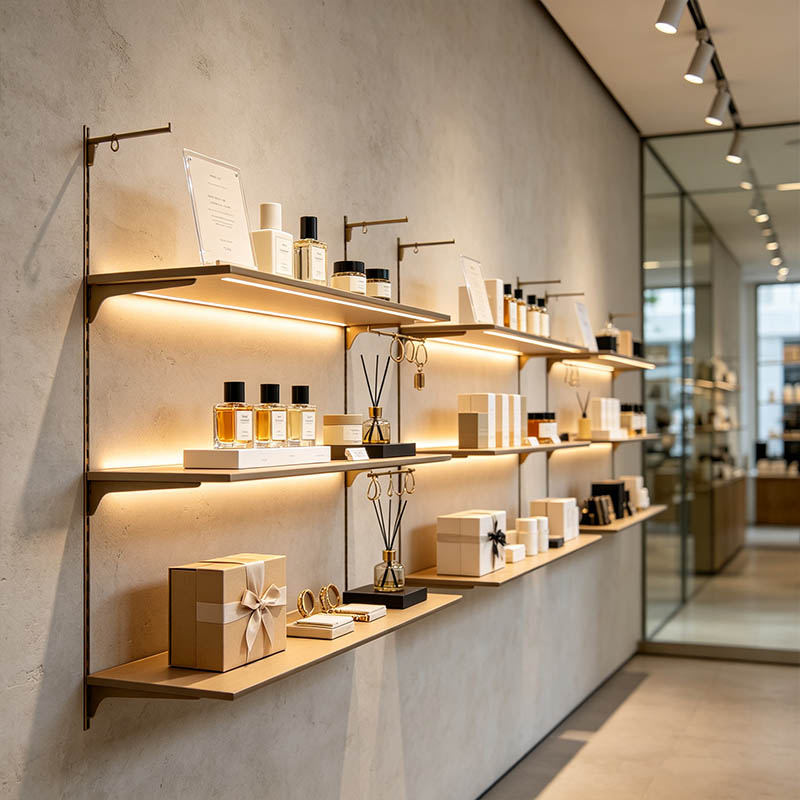
The ISE 2026 Mandate: From Touchscreens to Total Environments
According to ISE 2026, the interactive retail experience has evolved past gimmicky touchscreens. The most successful experiences are no longer defined by the technology itself, but by how actively they encourage customer participation. This is a crucial distinction. We are moving away from "interactive" as a feature and toward "immersive" as a state of being.
This shift requires a fundamental rethinking of the store's physical layout and the retail display stands within it.
The technology—digital signage, AR overlays, and connected audio—is becoming an invisible supporting actor. The real star is the environment itself, which needs to be flexible, responsive, and integrated. This is the killer application for high-quality custom display fixtures.
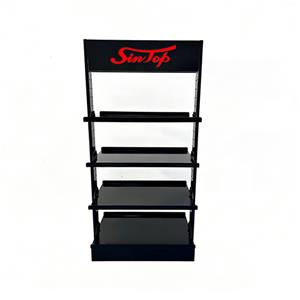
For instance, the modular linkable retail display solutions we offer at Sintop are not just about holding product; they are about creating a scalable digital canvas that can be reconfigured for different campaigns. An effective custom display fixture must now integrate power and data cables, support the weight of screens, and be easily reconfigurable. The static, powder-coated metal rack of 2015 is a liability in 2026.
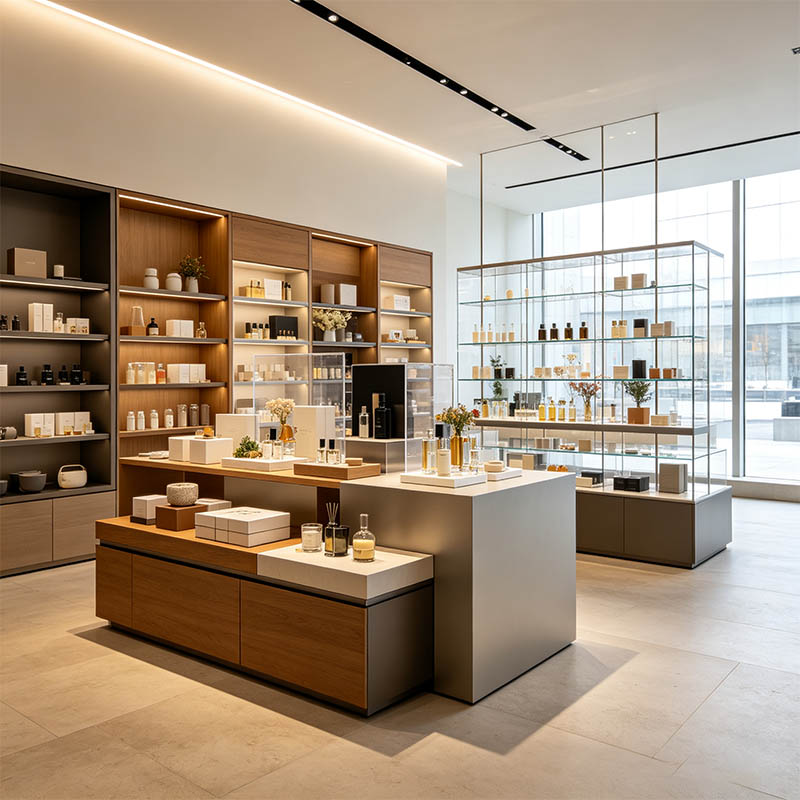
Experiential Retail: The End of the "One-Size-Fits-All" Display
Let’s be frank about the economics. The retailer's core challenge is to convert the fewer, more deliberate visits they're getting into higher spend. As Sensormatic's Andy Sumpter notes, the focus is on "converting more deliberate visits into meaningful spend".
To do that, you need to tell a story. This is where the art of visual merchandising is being pushed to its limits. Generic fixtures cannot tell a brand's specific story. They are a blank canvas at best and visual noise at worst.
The demand for custom display fixtures in 2026 is not about vanity; it's about function. At the NRF 2026 Big Show, key industry leaders emphasized the importance of designing for an "ever-changing platform," where a store's layout can adapt from one season to the next without a major renovation.
This demands modularity. It demands that retail display stands be engineered for easy reconfiguration, with interchangeable parts and a design that allows for "rapid layout adjustment".
This is the economic reality: the fixed-cost investment in a flagship store must be amortized across multiple campaigns and seasons. Your custom display fixtures are the only way to achieve that flexibility without completely gutting the space.
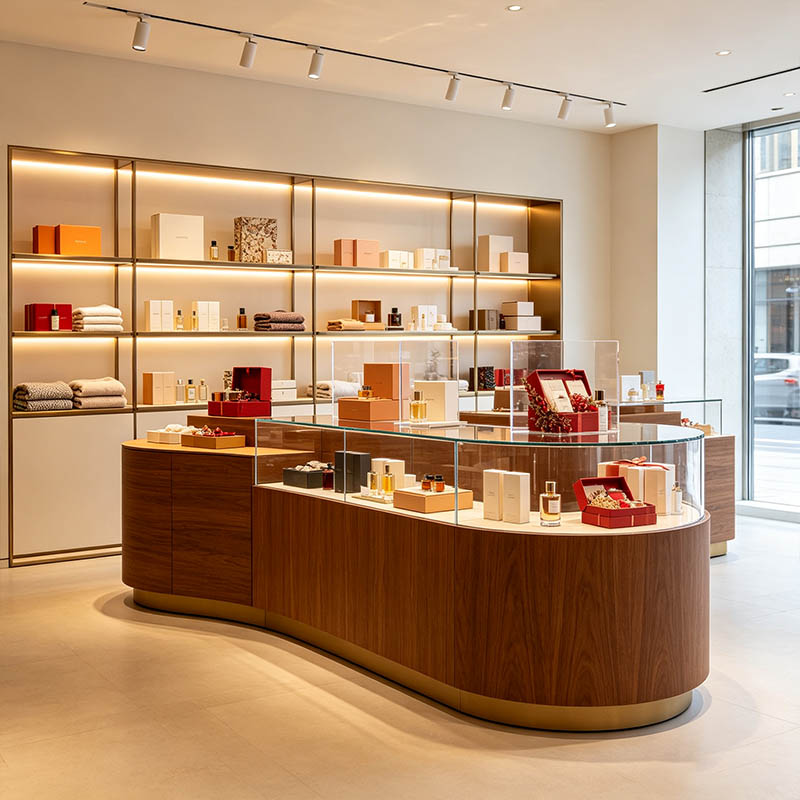
How Custom Display Fixtures Solve the "Technology Integration" Problem
One of the most significant challenges in experiential retail is the seamless integration of technology into the physical display. You can't just bolt a tablet to a shelf and call it a day.
The ISE 2026 report highlights that the objective "is not simply to make stores more digital. It is to make them more engaging". This requires a holistic approach to design that fuses the physical and digital.
The days of retail display stands being purely passive structures are over. They are now active hosts for digital content.
Our engineering team at Sintop is seeing a surge in requests for fixtures that can accommodate screens, sensors, and other tech. This requires a level of engineering rigor that many display manufacturers lack.
We are talking about custom-engineered solutions with integrated cable management, structural reinforcement for heavy digital displays, and materials that won't interfere with wireless signals.
The best visual merchandising today is invisible; it allows the brand story to shine through without the customer noticing the technology or the fixture itself. This is the new standard of excellence for custom display fixtures.
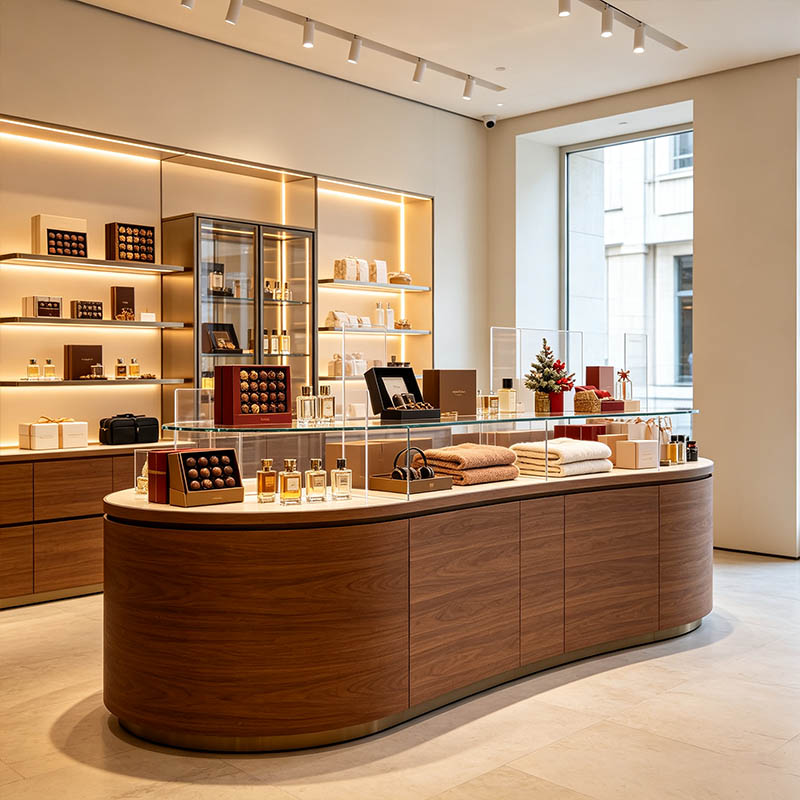
The Modular Future of Visual Merchandising
The importance of modular design cannot be overstated. The 2026 trends in retail displays are pointing overwhelmingly toward reconfigurability and adaptability.
This trend is not just for convenience; it is a strategic imperative. Retailers need to be able to change their store's narrative rapidly, whether it's for a product launch, a seasonal promotion, or to respond to changing consumer behavior.
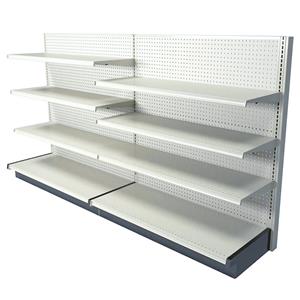
A perfect example of this philosophy in action is the U-shaped slatwall display system. It is a custom display fixture that creates an "enclosed merchandising area that enhances visual focus and improves spatial continuity".
This is pure visual merchandising strategy. By using a modular wall system, retailers can create a defined "experience zone" within a larger store. They can use it to launch a new product line or create a dedicated brand space, and then completely reconfigure it for the next campaign.
This level of adaptability is what separates a high-investment flagship store from a conventional retail outlet. The modularity of retail display stands is no longer a secondary consideration; it is a primary design criteria.
FAQ: The "Experience-Ready" Retail Strategy
Q: Why is footfall declining, yet retailers are investing in more immersive stores?
A: The data shows a decline in total footfall, particularly on high streets, driven by factors like extreme weather and a cautious consumer. However, the customers who do visit a physical store are there with intent. Retailers are investing in experiential retail to convert these fewer, more deliberate visits into higher-value purchases and to build brand loyalty that online shopping cannot replicate. The goal is to increase "dwell time" and "meaningful spend."
Q: What is the difference between a standard display stand and a fixture for experiential retail?
A: A standard display stand is passive; it holds product. A fixture for experiential retail is an active component of the store's ecosystem. It is engineered to integrate technology (like digital screens, sensors, and lighting), is often modular and reconfigurable, and is designed specifically to support a brand narrative or experience. It requires a deeper level of custom engineering and is a key part of the visual merchandising strategy.
Q: How does a custom display fixture improve visual merchandising?
A: Visual merchandising is about telling a story and guiding the customer journey. Off-the-shelf fixtures are generic and can't tell a specific brand story effectively. A custom display fixture is designed from the ground up to support the exact product, brand aesthetic, and technical requirements of a specific retail environment. This allows for a cohesive and immersive brand experience that stands out.
Q: Why is modularity considered so important for custom fixtures in 2026?
A: Modularity is critical for two main reasons. First, it allows retailers to adapt their store layouts quickly and cost-effectively for new campaigns or seasons. Second, it allows for scalability. Retailers can invest in a system and expand it over time, reducing the financial risk of large, inflexible installations. This adaptability is a core demand of experiential retail.
Q: How does Sintop support the technical demands of experiential retail?
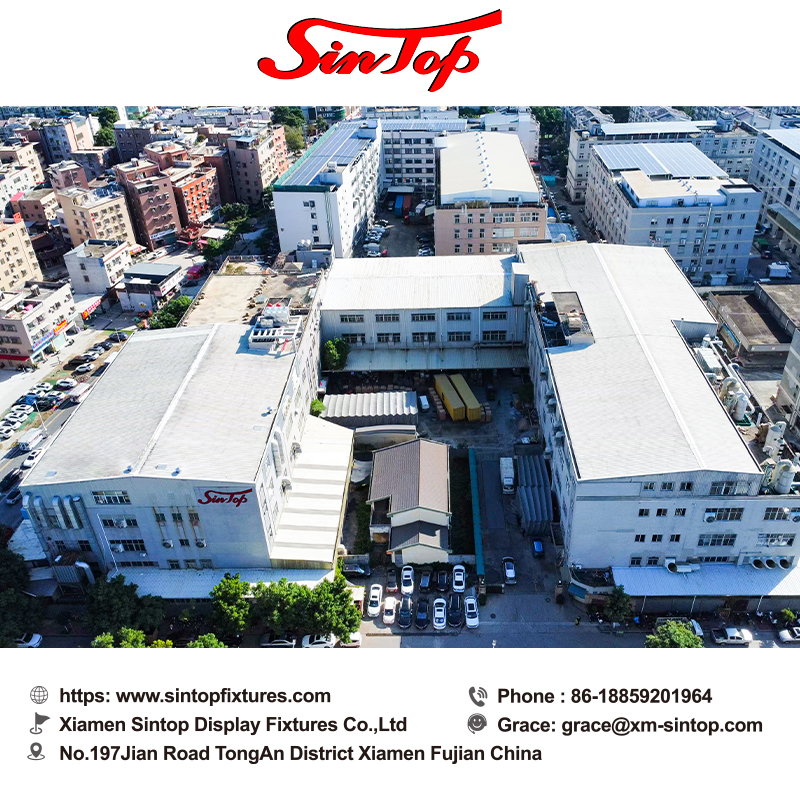
A: As a manufacturer with over 20 years of experience, Sintop is a one-stop shop for complex retail projects. With a 30,000-square-meter factory and over 350 workers, we have the engineering and production capacity to handle the unique demands of experiential retail. This includes integrating power and data into custom display fixtures, working with a wide range of materials (metal, wood, acrylic), and ensuring the final product meets the high standards of global brands.
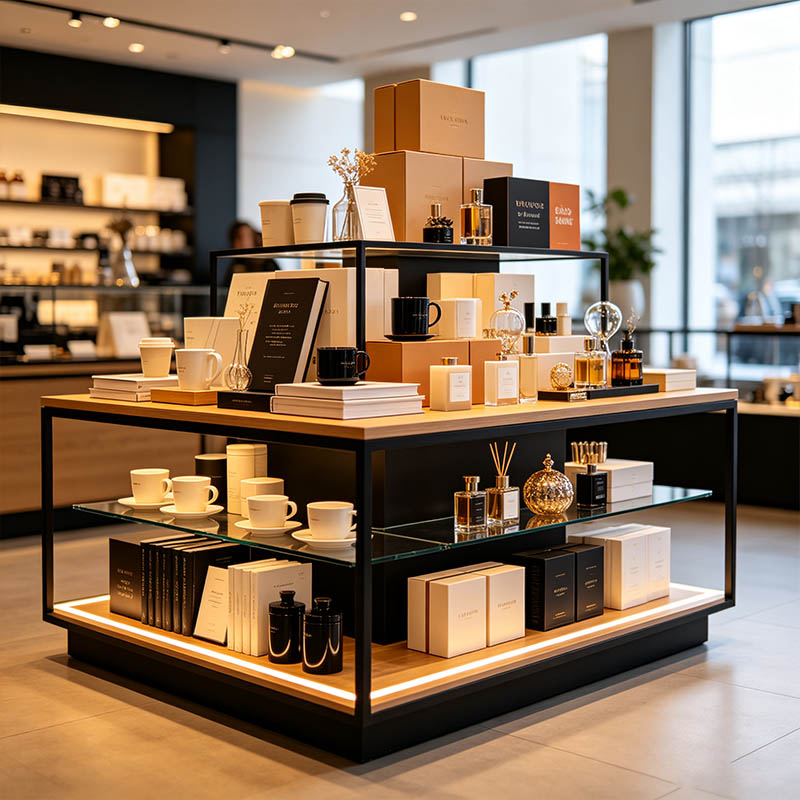
The Bottom Line: If You’re Not Designing for Experience, You’re Designing for Obsolescence
The 2026 retail landscape is unforgiving. The shift to experiential retail is not a trend; it is a response to a fundamental change in consumer behavior. The retailers who are investing in flagship stores are banking on the power of the physical environment to create a connection that digital channels cannot. But this strategy will fail if the physical infrastructure—the retail display stands, the visual merchandising elements—is not up to the task.
The demand for sophisticated custom display fixtures is no longer a niche requirement. It is the central pillar of a successful modern retail strategy. The old ways of doing things are over. The market demands fixtures that are integrated, modular, and engineered to support the next generation of retail technology. If your supplier cannot talk about cable management and modularity with the same fluency they talk about powder coating, it’s time to find a new partner.
CTA:
The data is clear, and the window for action is closing. The retail space is transforming, and your display infrastructure needs to lead the charge, not trail behind.
At Xiamen Sintop, we have been building the foundation for experiential retail for over two decades. We understand the engineering challenges of seamlessly blending form, function, and technology to create impactful visual merchandising solutions.
Don't settle for generic retail display stands that fail to support your brand's vision. Contact us today to see how our expertise in custom display fixtures can bring your immersive retail concepts to life.
Sintop Value
At Xiamen Sintop Display Fixtures Co., Ltd., we help global retailers transform concepts into experience-driven retail environments through custom display fixtures, retail display stands, and modular merchandising solutions.
With more than 20 years of manufacturing experience, our engineering team understands the challenges of integrating technology into physical displays. We provide solutions with:
✔ Structural reinforcement for digital screens and interactive equipment
✔ Integrated cable management and clean installation design
✔ Modular fixture systems for rapid store reconfiguration
✔ Metal, wood, acrylic, and mixed-material manufacturing capability
✔ OEM/ODM support for global retail projects
With a 30,000㎡ factory and experienced production teams, Sintop combines engineering precision with manufacturing capability to create retail displays that support modern visual merchandising strategies.
We believe the next generation of retail fixtures will not simply hold products — they will create experiences.

Contact information
Website: www.sintopfixtures.com
Wechat/WhatsApp: +86 15980885084
Email: elly@xm-sintop.com
FAQ
1. What types of display racks can Sintop provide?
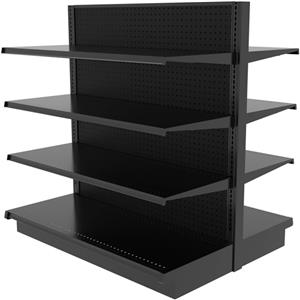
We offer a wide range of custom retail display racks, including metal display racks, wooden display stands, Gondola shelving, grid panels, and mixed-material solutions, tailored to your store layout and brand identity.
2. Can I order a single unit or prototype?
Yes, no minimum order is required. We can produce prototypes or single units as well as large-volume orders.
3. How long does it take to receive an order?
New items: 3–5 weeks for tooling and production.
Reorders: 2–4 weeks depending on product type.
We are flexible and strive to meet your required delivery dates.
4. Can Sintop handle OEM or ODM projects?
Yes, we specialize in OEM and ODM solutions, turning your ideas or drawings into custom, high-quality display racks.
5. How does Sintop ensure quality?
Every display rack undergoes material inspection, welding and structural checks, surface finish testing, and final assembly inspection to ensure durability, safety, and visual appeal.