

Are Digital Display Fixtures the Future of Retail?
EuroShop 2026 Spotlights the Future of Smart Retail Displays
EuroShop 2026 has delivered a strong message to the global retail industry. Smart retail displays, digital display fixtures, interactive retail displays, AI retail solutions, and emerging store design trends are no longer experimental concepts. They are becoming standard investments for retailers seeking higher efficiency, better shopper engagement, and stronger merchandising performance. We attended retail exhibitions for years, and one reality keeps repeating itself: retailers rarely spend millions on technology unless they expect measurable returns.
Why EuroShop 2026 Matters to Retail Fixture Manufacturers
Big changes. Fast.
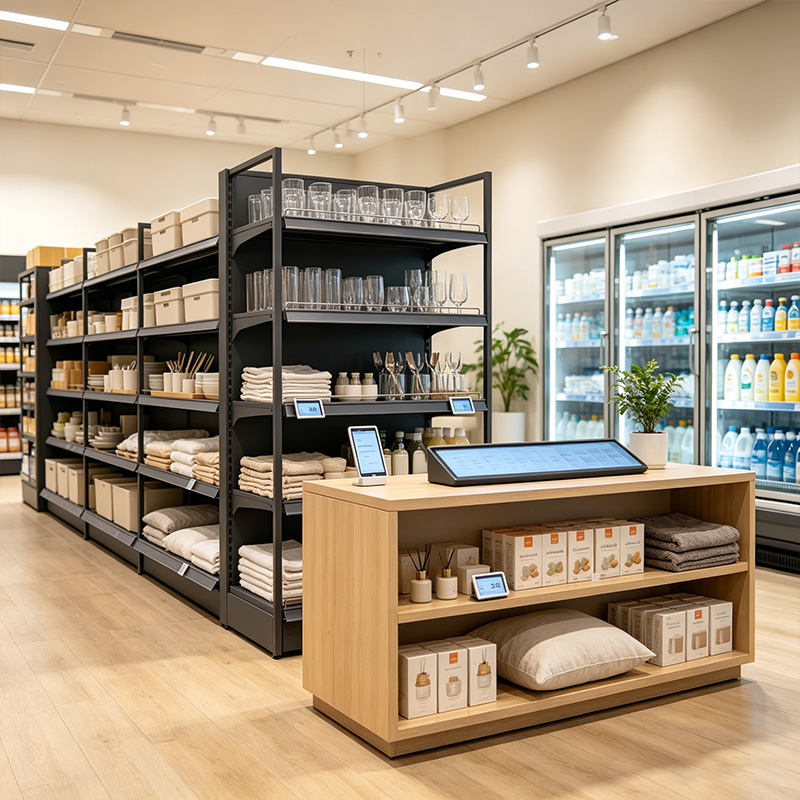
The largest retail trade show in Europe revealed a noticeable shift from traditional shelving toward connected merchandising systems. Retailers are actively searching for smart retail displays that can collect shopper data, automate inventory monitoring, and improve product visibility without increasing labor costs.
According to a recent report by Reuters, major European retailers continue increasing technology investments as labor shortages and operating expenses remain challenging.
For every international shop fixture provider, this creates a new competitive environment. The discussion is no longer about steel thickness or powder coating quality alone. Buyers now ask whether digital display fixtures can communicate with store management systems and whether AI retail solutions can generate useful merchandising recommendations.
And honestly, isn't that a very different conversation from five years ago?
AI Retail Solutions Move From Concept to Reality
The market has changed.
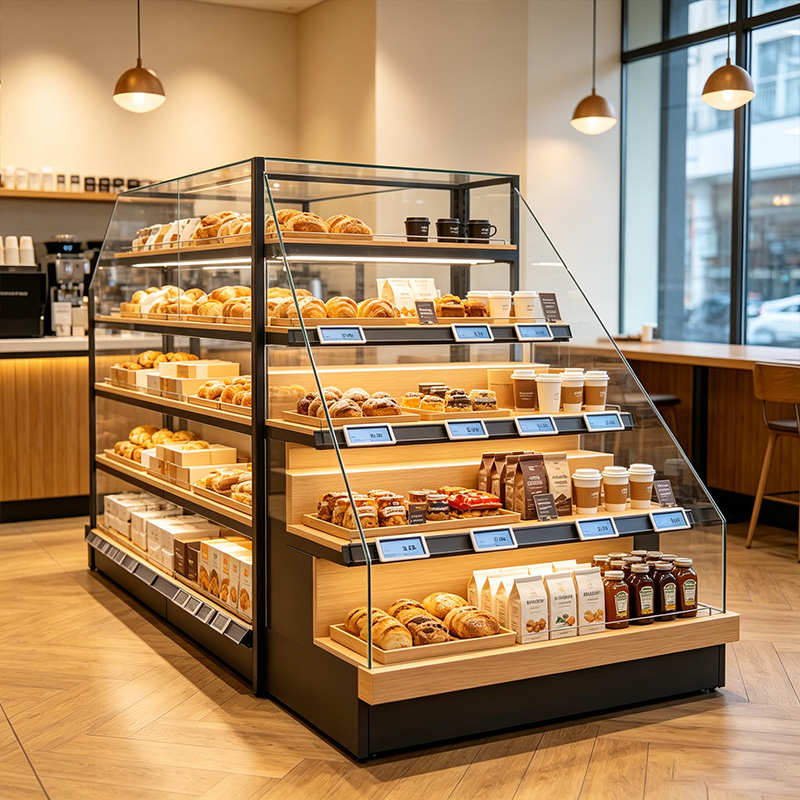
At EuroShop 2026, AI-powered shelf monitoring systems attracted significant attention. Computer vision cameras, RFID tracking, and predictive inventory software are becoming part of everyday retail operations.
Bloomberg recently reported that retailers are increasing investments in artificial intelligence to improve inventory accuracy and customer experience. Many of these projects depend on AI retail solutions integrated directly into smart retail displays and digital display fixtures.
We have observed buyers requesting fixture designs that support sensors, embedded screens, QR technology, and cloud-connected devices. Traditional displays remain important, but retailers increasingly expect fixtures to become data collection tools as well.
Interactive Retail Displays Are Driving Shopper Engagement
Customer attention is expensive.
Retailers understand this better than anyone.
Research from the National Retail Federation suggests that shoppers increasingly respond to personalized and technology-driven in-store experiences. As a result, demand for interactive retail displays continues to grow.
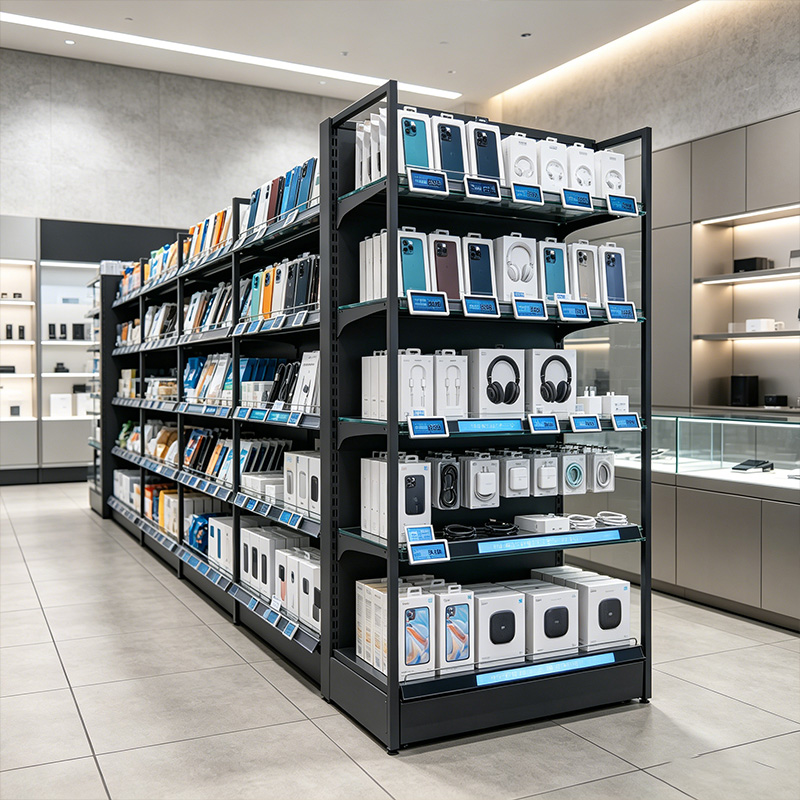
Touchscreens, motion sensors, digital catalogs, and augmented reality applications are becoming common features in modern stores. These interactive retail displays help shoppers compare products, access information instantly, and spend more time engaging with brands.
The result is simple. Better interaction often leads to stronger conversion rates.
The New Store Design Trends Retailers Are Following
Store layouts are evolving.
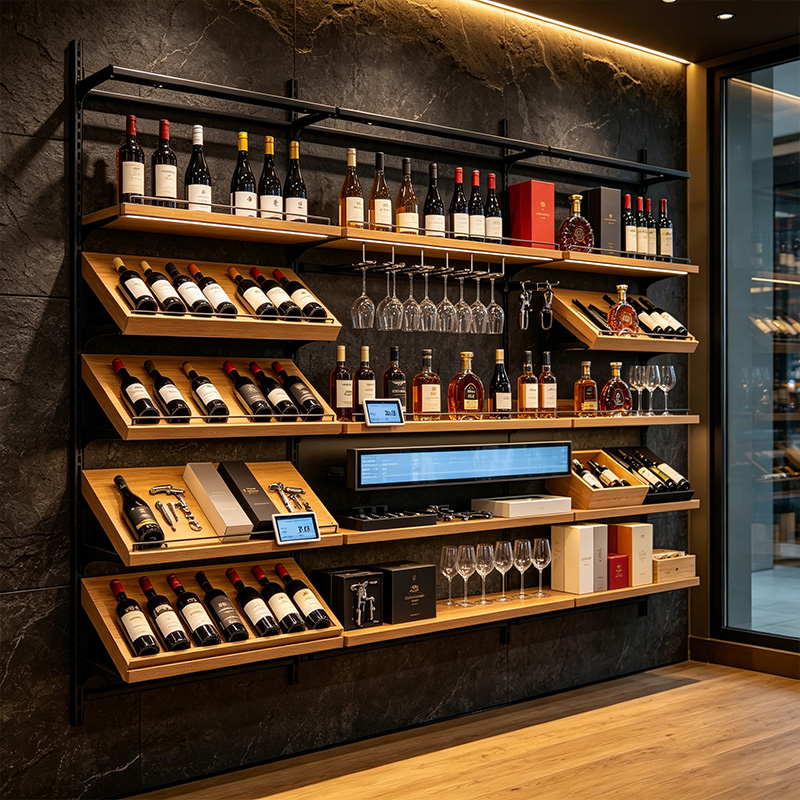
Many retailers showcased flexible environments built around omnichannel shopping, click-and-collect services, and digital communication. These emerging store design trends place greater emphasis on modular merchandising systems that can adapt quickly.
The most discussed technologies at EuroShop 2026 included:
| Trend | Retail Application |
|---|---|
| Smart retail displays | Real-time inventory monitoring |
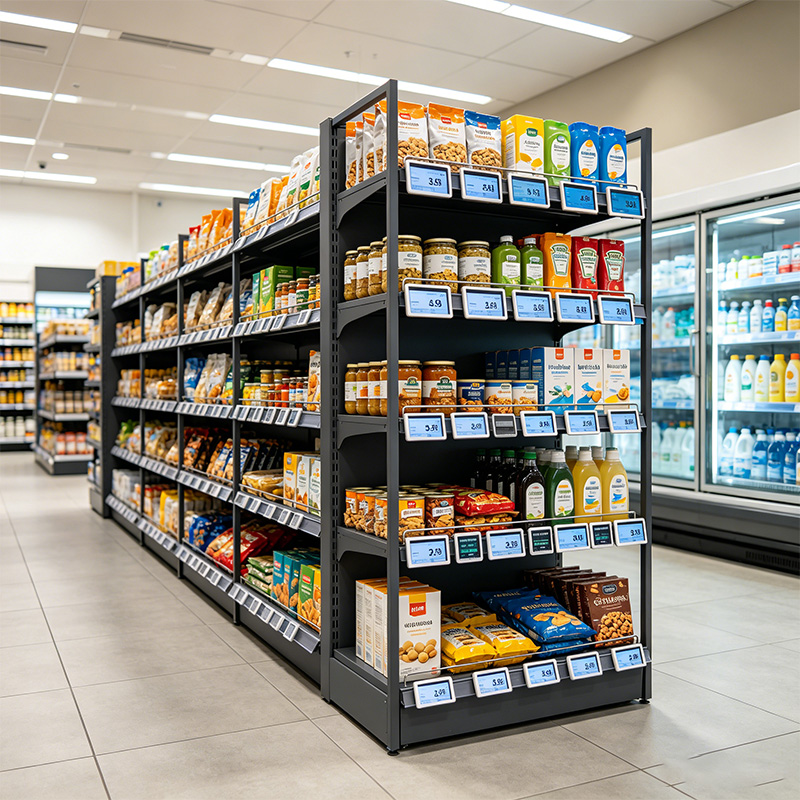
| Digital display fixtures | Dynamic product information |
| Interactive retail displays | Customer engagement tools |
| AI retail solutions | Demand forecasting |
| Store design trends | Flexible store layouts |
As manufacturers, we see these store design trends influencing fixture specifications, material selection, and production planning.
What This Means for Global Fixture Suppliers
Let's be realistic.
Technology adoption is accelerating, but retailers still expect durability, cost control, and efficient installation. This creates opportunities for every experienced international shop fixture provider capable of combining engineering expertise with manufacturing scale.
At Xiamen Sintop Display Fixtures Co., Ltd., we believe future retail environments will require a combination of smart retail displays, digital display fixtures, and interactive retail displays supported by scalable AI retail solutions.
The suppliers that adapt quickly to these store design trends are likely to secure larger projects as retailers continue modernizing physical stores.
Frequently Asked Questions
What are smart retail displays?
Smart retail displays are technology-enabled merchandising systems that combine physical product presentation with digital tools such as sensors, analytics, RFID tracking, and real-time data collection to improve store performance and customer engagement. Modern smart retail displays help retailers monitor inventory, analyze shopper behavior, and optimize merchandising decisions.
Why are digital display fixtures becoming popular?
Digital display fixtures are retail merchandising structures that incorporate screens, electronic pricing systems, or connected technologies to communicate product information dynamically. Retailers use digital display fixtures to improve operational efficiency and create more engaging shopping experiences.
How do interactive retail displays improve customer experience?
Interactive retail displays are customer-facing merchandising solutions that allow shoppers to engage with products through touchscreens, motion detection, QR codes, or augmented reality features. These systems encourage deeper product exploration and increase customer participation.
What role do AI retail solutions play in stores?
AI retail solutions use artificial intelligence technologies such as machine learning, computer vision, and predictive analytics to improve inventory management, merchandising, and customer service. Many retailers integrate AI retail solutions into smart retail displays for better decision-making.
Which store design trends are shaping retail in 2026?
Store design trends in 2026 focus on digital integration, flexible layouts, sustainability, and omnichannel shopping experiences. Retailers are increasingly adopting smart retail displays, digital display fixtures, and interactive retail displays to support these evolving store design trends.
Partner With a Trusted Retail Fixture Manufacturer
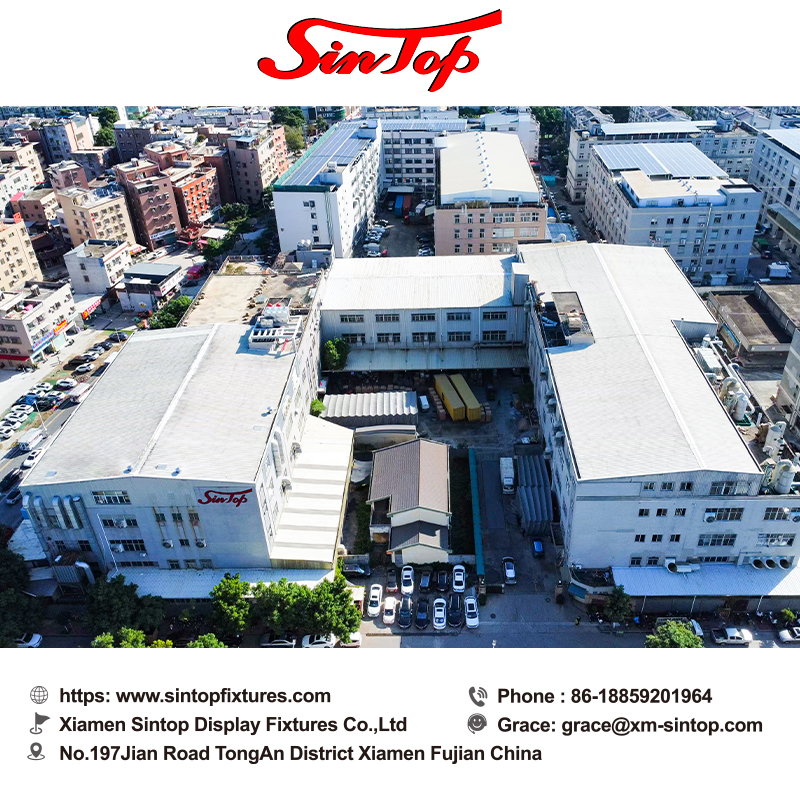
Since 2002, Xiamen Sintop Display Fixtures Co., Ltd. has helped retailers develop innovative merchandising solutions for global markets. From smart retail displays and digital display fixtures to interactive retail displays and AI-integrated retail environments, our team delivers custom solutions tailored to modern store design trends.
Contact Sintop today to discuss your next retail project and discover how our engineering and manufacturing expertise can support the future of retail.

Contact information
Website: www.sintopfixtures.com
Wechat/WhatsApp: +86 15980885084
Email: elly@xm-sintop.com
FAQ
1. What types of display racks can Sintop provide?
We offer a wide range of custom retail display racks, including metal display racks, wooden display stands, Gondola shelving, grid panels, and mixed-material solutions, tailored to your store layout and brand identity.
2. Can I order a single unit or prototype?
Yes, no minimum order is required. We can produce prototypes or single units as well as large-volume orders.
3. How long does it take to receive an order?
New items: 3–5 weeks for tooling and production.
Reorders: 2–4 weeks depending on product type.
We are flexible and strive to meet your required delivery dates.
4. Can Sintop handle OEM or ODM projects?
Yes, we specialize in OEM and ODM solutions, turning your ideas or drawings into custom, high-quality display racks.
5. How does Sintop ensure quality?
Every display rack undergoes material inspection, welding and structural checks, surface finish testing, and final assembly inspection to ensure durability, safety, and visual appeal.