

Efficient Display Systems for Cold Weather Retail Demand
When winter storm "Devin" stomped into the northeastern and midwestern United States like an uninvited, ill-tempered giant, over 400,000 residents received not a welcoming blanket, but weather warnings. Low temperatures, heavy snow, and logistical paralysis—this "trifecta" immediately activated the "survival mode" of local retail businesses, and the demand for cold-weather and essential goods erupted like a volcano. Facing this sudden surge in demand, intermediaries were eager to capitalize, but also faced a dilemma: how to replenish and display goods effectively amidst the chaos? The secret might lie in those often-overlooked but now crucial steel structures: Merchandise shelving, Retail store fixtures, Grocery store displays, Supermarket shelving, and Metal gondola shelving. They are not only the "temporary homes" for goods, but also the "behind-the-scenes commanders" that determine the speed of replenishment and the safety of the sales floor.
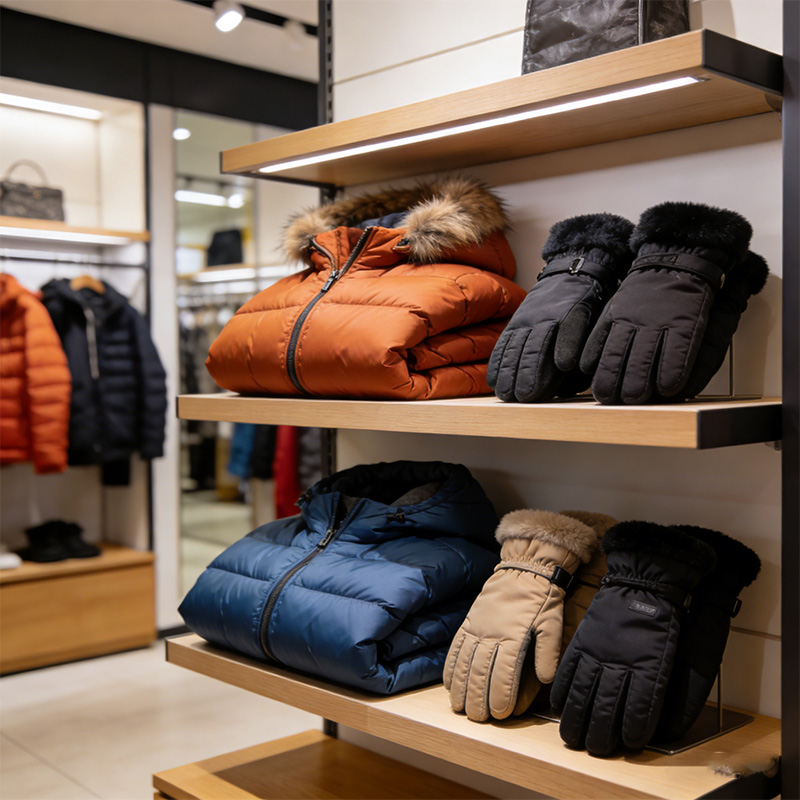
Shopping Carts in the Cold Wind: When "Warmth" Becomes the Primary Purchase Priority
With the storm's arrival, consumers' shopping lists immediately shifted from "what they want" to "what they need to survive." Thermal blankets and heaters instantly became "beacons of life"; gloves, hats, and scarves transformed into the "three essential items for keeping warm"; and canned goods, bottled water, and batteries were elevated to "modern household necessities." These goods have a wide variety of SKUs, ranging in size from a pack of hand warmers to an electric heater.
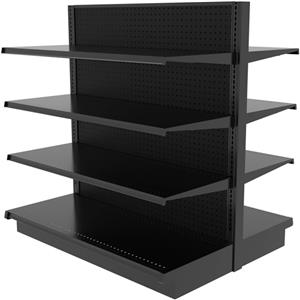
This places stringent demands on the display systems that hold them. Traditional Supermarket shelving and Merchandise shelving must be able to flexibly adjust shelf height and weight capacity, like a yoga master, to accommodate both thin emergency blankets and heavy stacks of canned goods. This is where effective Retail store fixtures can shine, helping retailers quickly reorganize shelving areas and create "cold-weather emergency zones" like magic. In the fresh produce and daily necessities sections, classic grocery store displays and sturdy, reliable metal gondola shelving remain the mainstays, perfectly suited to handling the high-turnover goods purchased during panic buying.
Shelf "Cold Resistance" Test: Stability is the primary productivity.
In sub-zero temperatures, the requirements for store shelving go beyond simply "being able to hold things," but rather "must be rock-solid." After all, no one wants a shopping frenzy to turn into a "shelf avalanche." At this time, the structurally robust metal gondola shelving, due to its excellent stability, becomes the "anchor" of the main aisle displays, withstanding the surging crowds of shoppers. Standard supermarket shelving needs to possess the superpower of quick adjustment to cope with the "attack" of various sizes of goods, from mini hand sanitizers to large bottles of water.
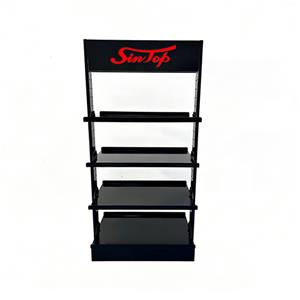
Modular merchandise shelving, with its versatility, shines at this time, allowing retailers to quickly replicate successful display solutions across various stores. At the store entrance or in prime promotional areas, carefully designed grocery store displays and some customized retail store fixtures can quickly set up an eye-catching and efficient "warm station," increasing purchase conversion and avoiding chaotic crowds of customers.
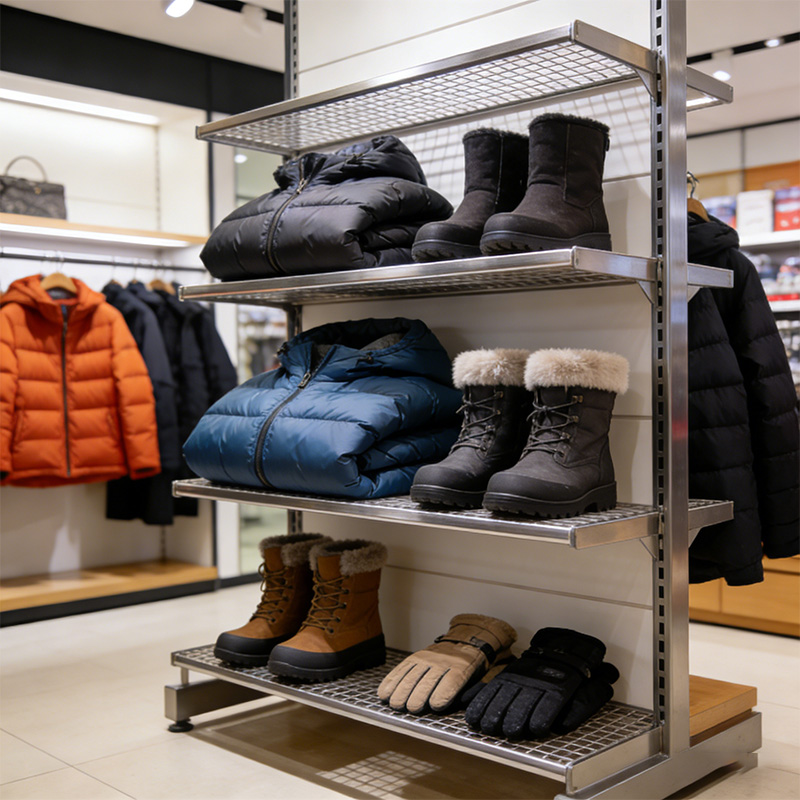
Material Showdown: Who will "have the last laugh" in the cold winter?
The harsh winter and the huge temperature difference between indoor and outdoor environments are the ultimate test for shelving materials. Metal gondola shelving performs quite "calmly" in the face of thermal expansion and contraction; its structure is not easily deformed, making it synonymous with reliability. High-quality powder coating acts like an "invisible raincoat," effectively resisting moisture and condensation.
For those modular retail store fixtures, the connectors must be sufficiently tough to ensure they do not become brittle and crack at low temperatures. For intermediaries, the consistency of materials in supermarket shelving and merchandise shelving is crucial. It directly impacts future maintenance costs and the smoothness of restocking. A batch of shelves with inconsistent quality can cause problems that last longer than the storm itself.
The Keen Eye in the Storm: "Devil Details" Not to Miss During Emergency Inspections
In time-sensitive emergency restocking projects, the inspection process is often compressed, but the following points must not be overlooked: Are the welding points flat and secure enough to withstand the weight of the goods and customer interaction? Is the load-bearing test truly up to standard, not just theoretical? Are all accessories of uniform specifications to avoid installation problems? Does the packaging consider the challenges of low-temperature transportation to prevent the shelves from being damaged during transit?
Experience tells us that grocery store displays often suffer from installation delays due to the omission of a single small accessory. And if retail store fixtures have annoying batch inconsistencies, it will directly slow down the stocking pace of all stores. A mature system of metal gondola shelving and supermarket shelving should support quick verification and efficient on-site installation – this is the correct approach to handling crises.
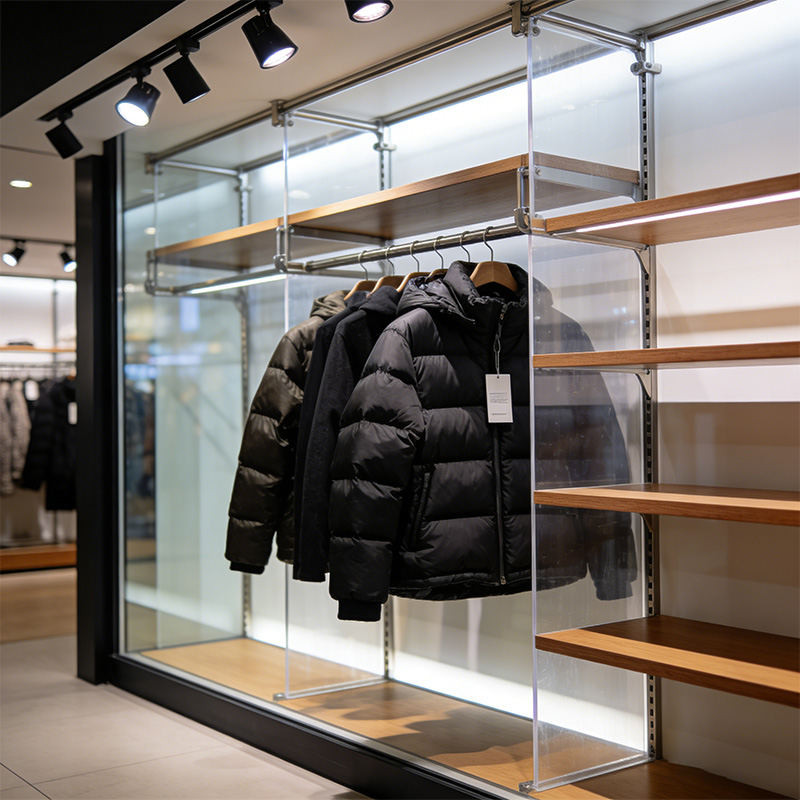
Racing Against Time: Logistics Strategies and the "Divine Assistance" of Chinese Factories
During a storm, the US domestic logistics network can be even more rigid than a frozen steering wheel. At this time, preparatory work becomes the key to success. When collaborating with Chinese suppliers across the ocean, smart intermediaries will do the following: rationally disassemble the structure of merchandise shelving to reduce the weight per box, facilitating quick handling. Consolidating retail store fixtures onto pallets can greatly reduce the risk of scattering and damage during transit. Partitioning and clearly labeling the packaging of supermarket shelving and metal gondola shelving will significantly increase the efficiency of counting and distribution upon arrival at the port.
An experienced Chinese display rack factory is not just a manufacturer, but also a solutions partner. They can assist intermediaries in optimizing shelf structures and adjusting packaging solutions, ensuring that all equipment, including grocery store displays, can be delivered to retail terminals as quickly as possible upon arrival at the port and put into operation.
FAQ (Frequently Asked Questions from Intermediaries)
Q1: During a storm, which shelving is the most reliable for the main aisle?
A: Undoubtedly, deploy the structurally stable metal gondola shelving and the tried-and-tested standard supermarket shelving. They will hold the front line of safety and order for you.
Q2: With a sudden increase in SKUs, how can the shelf layout keep up with the pace?
A: Immediately utilize modular merchandise shelving and versatile retail store fixtures. Their flexibility is sufficient to handle various unexpected additions.
Q3: Time is tight, where should we focus during inspection?
A: Focus on the key points: carefully check whether the accessories for the grocery store displays are complete and whether the load-bearing structure of the metal gondola shelving is sturdy. These two points are crucial to preventing on-site breakdowns.
Q4: Can Chinese suppliers keep up with the frantic pace of our urgent orders?
A: Absolutely! Chinese factories with mature production systems and emergency response experience can fully participate in advance, planning shelf structures and packaging logistics with intermediaries, becoming your reliable "rear base" for weathering the storm.
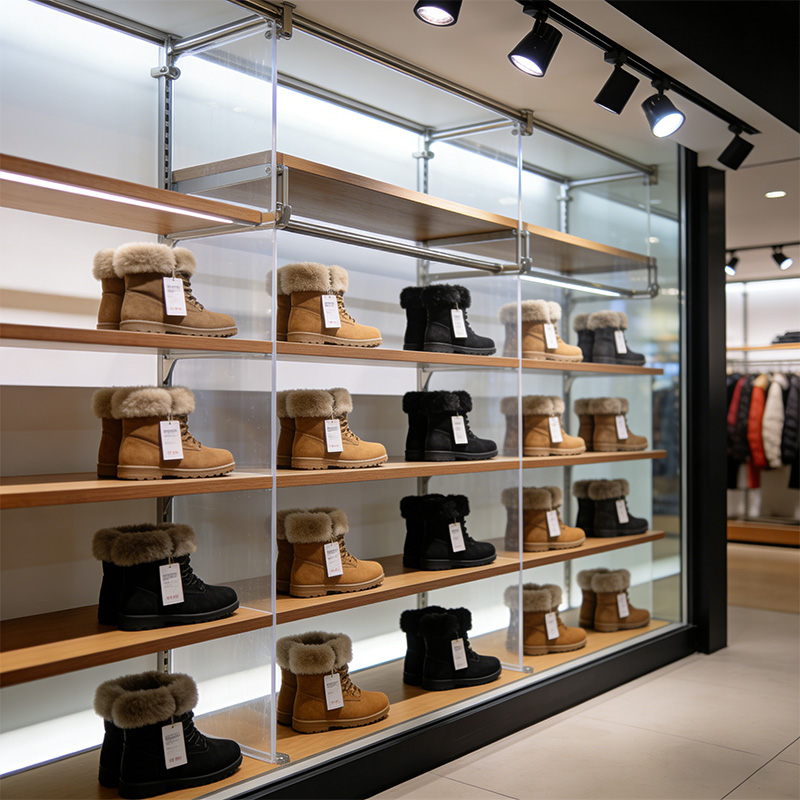
Sintop Value
At Sintop, we understand that extreme weather doesn’t allow room for operational mistakes. Our display systems are designed to support retailers during demand spikes caused by winter storms and supply disruptions.
From heavy-duty metal gondola shelving that stabilizes high-traffic aisles, to modular merchandise shelving that adapts quickly to changing SKUs, Sintop solutions focus on speed, safety, and durability. Our retail store fixtures and supermarket shelving are engineered for fast assembly, consistent load performance, and reliable material quality—even under cold, humid, and high-turnover conditions.
Beyond products, Sintop acts as a supply-chain partner. We help intermediaries optimize structure design, packaging efficiency, and inspection standards, ensuring grocery store displays arrive ready for immediate deployment. In extreme conditions, stability and execution matter—and that’s where Sintop delivers real value.

Contact information
Website: www.sintopfixtures.com
Wechat/WhatsApp: +86 15980885084
Email: elly@xm-sintop.com
FAQ
1. What are store fixtures?
Store fixtures are essential equipment and furniture used in retail spaces to display, organize, and store merchandise. Examples include shelving units, racks, display cases, counters, and hooks.
2. Why are store fixtures important?
Store fixtures enhance the shopping experience by organizing products, improving accessibility, maximizing space, and creating appealing displays that attract customers and boost sales.
3. What types of store fixtures are commonly used?
Common types of store fixtures include:
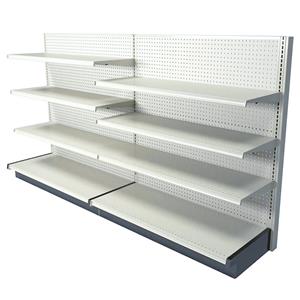
Shelving Units(wall shelves, free-standing shelves, adjustable shelving)
Display Cases (glass cases, countertop cases)
Racks (clothing racks, display racks)
Counters (checkout counters, service counters)
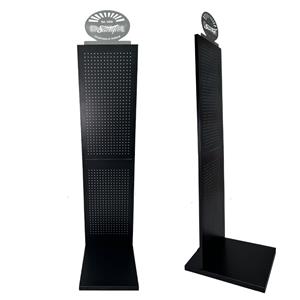
Hooks and Pegboards
End Caps
Signage and Graphics
Mannequins
4. How do I choose the right store fixtures for my retail space?
Consider your merchandise type, store layout, and branding needs. Fixtures should be functional, complement your store's design, and fit within your budget. Evaluate your space to determine the best fixture types and configurations for optimal product presentation and customer flow.
5. Can store fixtures be customized?
Yes, many store fixtures can be customized to align with your store's branding and specific needs. Customization options include materials, colors, sizes, and designs. Collaborating with a fixture supplier or designer can help create fixtures that match your store’s style and functional requirements.
6. How can I maximize space with store fixtures?
Utilize fixtures that optimize vertical space, such as wall-mounted shelves and tall display racks. Modular and adjustable fixtures can adapt to changing merchandise or store layouts. Plan your store layout carefully to ensure efficient use of space and smooth customer flow.
7. How do I maintain store fixtures?
Regularly clean and inspect fixtures to ensure they remain in good condition. Check for wear and tear, and repair or replace damaged parts. Follow manufacturer guidelines for maintenance and cleaning to extend the lifespan of your fixtures.
8. Can store fixtures be used for different types of retail stores?
Yes, store fixtures can be adapted for various retail environments, including clothing stores, electronics shops, grocery stores, and more. The choice of fixtures depends on the specific needs and merchandise of the store.
9. How can store fixtures improve the customer experience?
Well-designed fixtures make products easy to find and browse, enhancing the overall shopping experience. Effective use of fixtures creates an organized, aesthetically pleasing environment that encourages customers to spend more time in the store.
10. Where can I purchase store fixtures?
Store fixtures can be purchased from specialized fixture suppliers, retail equipment stores, or custom fixture manufacturers. Online retailers and local suppliers also offer a wide range of options.