

Future Trends in Jewelry Display Stands Under Market Segmentation
The current consumer market is like a "game of thrones" of ice and fire. High-income groups are still elegantly swiping their credit cards, while families with tighter budgets are starting to say "no" to non-essential expenses. This wave of segmentation is directly impacting every corner of the jewelry retail industry, including the intermediaries connecting the supply chain. If you are in the business of jewellery showcase displays, necklace display cases, portable jewelry display cases, earring display boxes, and necklace storage cases, it's time to re-examine your procurement strategy. Today, the quality of display stands conveys brand positioning signals more than ever before. For intermediaries, success hinges on material selection, quality control, logistics efficiency, and close collaboration with reliable Chinese suppliers.
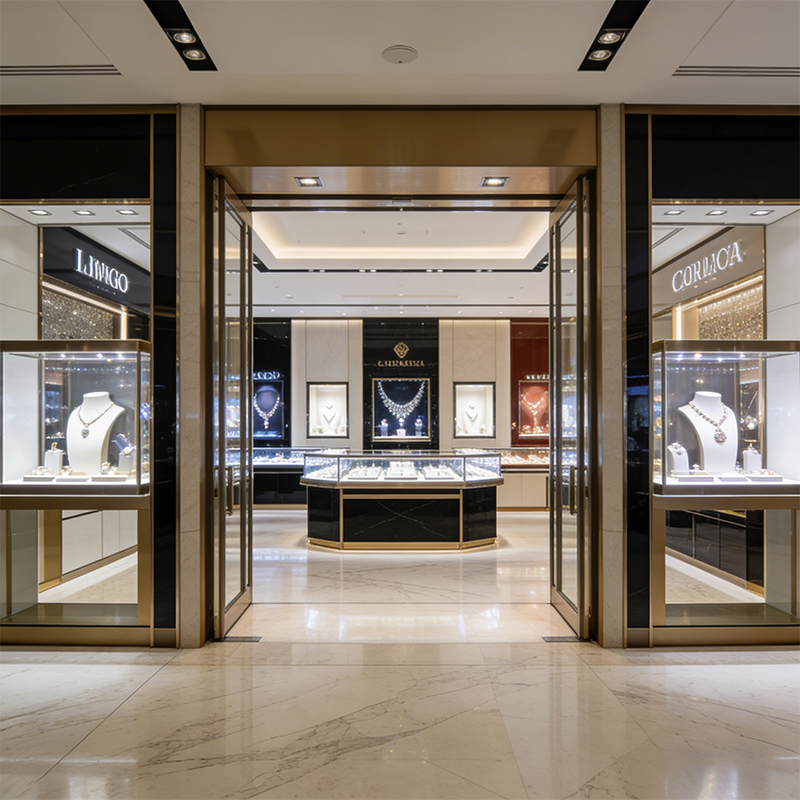
The "Dual-Track" Evolution of Consumer Segmentation and Jewelry Display Needs
Consumer segmentation is reshaping retail strategies, creating two distinct tracks. On the one hand, high-end brands continue to invest in meticulously crafted jewellery showcase display systems to complement their high-margin products; on the other hand, value-conscious retailers are turning to flexible portable jewelry display cases, striving to maintain professional display standards while controlling costs.
In high-end retail spaces, the demand for exquisite necklace display cases remains strong; while in cost-sensitive stores, compact earring display boxes are more popular. Meanwhile, as retailers seek more compact inventory management solutions, the demand for categories like necklace storage cases is also growing. Faced with this "dual-track" system, the core task for intermediaries is to provide tiered solutions without compromising product reliability.
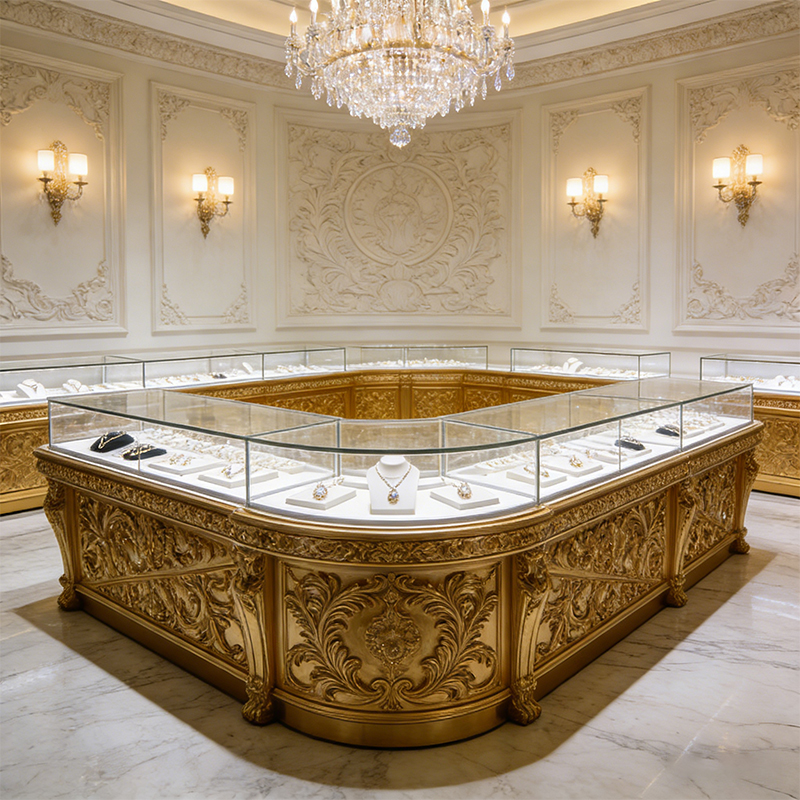
Selecting Materials for Different Market Segments: A Kind of "Mind Reading"
Material selection is key to accurately matching different consumer behaviors. For high-end jewellery showcase display projects, tempered glass, metal frames, and exquisite surface treatments remain standard. A high-quality necklace display case must strike a perfect balance between transparent display and comprehensive protection.
In the mid-range market and mobile retail scenarios, portable jewelry display cases typically use lightweight materials and reinforced corners. The success of a well-designed earring display box hinges on the consistency of its surface finish and the stability of its inserts/padding. For the production of necklace storage cases, the quality of the lining directly impacts the perceived value of the product. Only intermediaries who can accurately match materials to market positioning can effectively reduce return risks and protect profit margins.
Inspection Pain Points Affecting Jewelry Display Stands: The Devil is in the Details
In a fragmented market, the cost of inspection errors is particularly high. A jewellery showcase display with even minor surface imperfections can damage the image of a high-end brand. For necklace display case orders, uneven joints or poor glass alignment are common problems.
Failures in portable jewelry display cases often stem from weak hinges or inconsistent lining. A poorly made earring display box can damage the products inside during transit. Inspection of necklace storage cases must confirm accurate internal dimensions and securely attached lining. Experienced intermediaries use a phased inspection process to avoid last-minute rework and delivery delays.
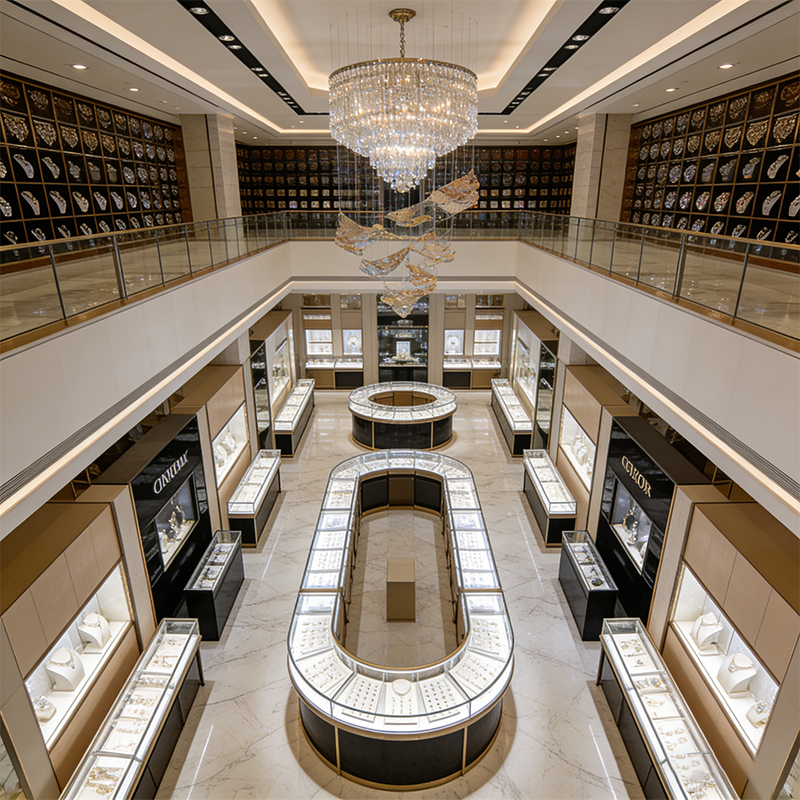
Logistics Strategies for Jewelry Display Products: Ensuring a Smooth Journey
As retailers manage their budgets more carefully, logistics planning plays an even more crucial role. Jewellery showcase displays are usually shipped in protective wooden crates to reduce the risk of damage. The packaging of necklace display cases must strike a balance between protection and transportation efficiency.
Portable jewelry display cases benefit from modular packaging designs, effectively reducing shipping volume. Smaller items like earring display boxes require internal packaging to prevent movement during transit. For the transportation of necklace storage cases, moisture control is essential. Intermediaries who plan logistics in advance can ensure stable delivery schedules and accurately control cost expectations. ---
Frequently Asked Questions: Challenges Faced by Jewelry Display Stand Intermediaries
Q1: Why are jewellery showcase display projects still growing despite a cautious market?
Because high-income consumers maintain their enthusiasm for high-end jewelry, which supports investment in high-quality display solutions.
Q2: What are the main inspection risks for necklace display case orders?
The alignment accuracy of the glass and frame, and the consistency of the overall frame, are the most common problems.
Q3: Are portable jewelry display cases suitable for long-term retail use?
Yes, as long as the material and structural reinforcement requirements are clearly specified, they are perfectly suitable.
Q4: What are the common reasons for frequent problems with earring display box products?
Surface treatment and the stability of internal inserts/padding are often overlooked.
Q5: How can the cost of necklace storage cases be controlled without sacrificing quality?
Balancing material selection with consistent supplier output is key to cost management.
Conclusion
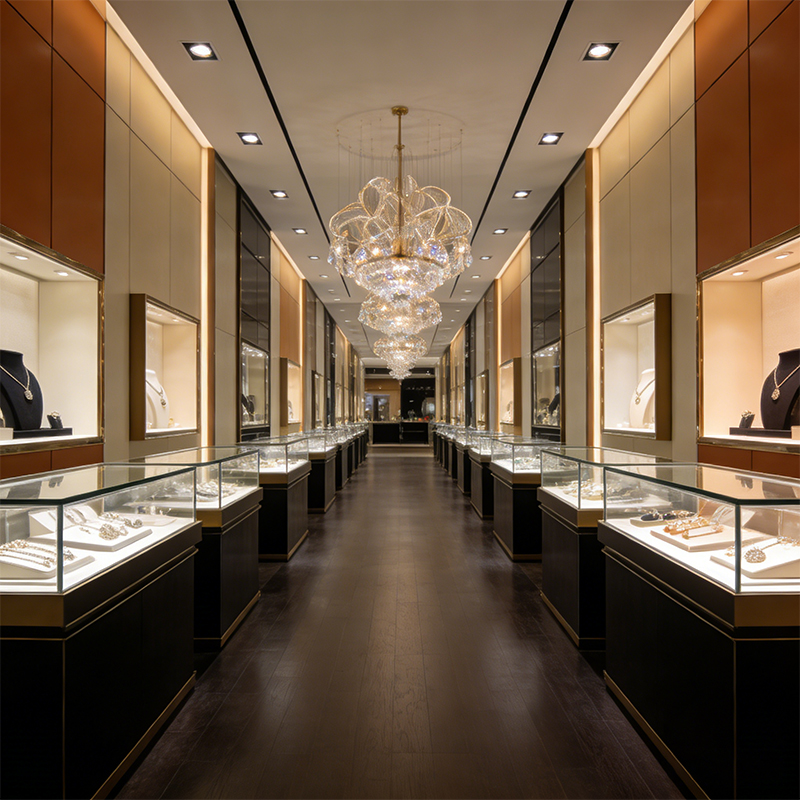
As the trend of consumer differentiation continues to evolve, intermediaries must remain flexible in adapting to the market while upholding the fundamentals of business execution. Whether supplying jewellery showcase display, necklace display case, portable jewelry display cases, earring display box, or necklace storage case, long-term success still depends on clear material standards, rigorous inspection processes, smart logistics strategies, and trustworthy Chinese manufacturing partners. These solid fundamentals are the most powerful response to unpredictable consumer behavior.
Sintop Value
At Sintop, we understand that jewelry display stands are no longer just accessories—they are strategic tools reflecting brand positioning and consumer trust. In a segmented market, we support intermediaries with tiered display solutions, from premium jewellery showcase displays to cost-efficient portable jewelry display cases, all manufactured with consistent material standards and strict quality control.
Our strength lies in stable sourcing, rigorous inspection processes, and export-ready logistics planning. Whether it is a refined necklace display case for luxury boutiques or durable earring display boxes for high-turnover retail, Sintop helps partners balance aesthetics, protection, and long-term ROI through reliable Chinese manufacturing collaboration.

Contact information
Website: www.sintopfixtures.com
Wechat/WhatsApp: +86 15980885084
Email: elly@xm-sintop.com
FAQ
1. What are store fixtures?
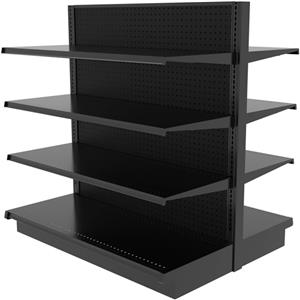
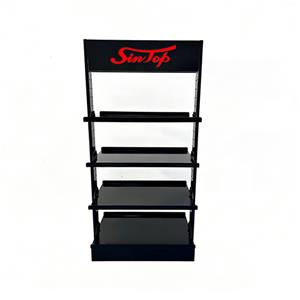
Store fixtures are essential equipment and furniture used in retail spaces to display, organize, and store merchandise. Examples include shelving units, racks, display cases, counters, and hooks.
2. Why are store fixtures important?
Store fixtures enhance the shopping experience by organizing products, improving accessibility, maximizing space, and creating appealing displays that attract customers and boost sales.
3. What types of store fixtures are commonly used?
Common types of store fixtures include:
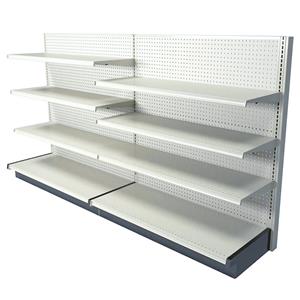
Shelving Units(wall shelves, free-standing shelves, adjustable shelving)
Display Cases (glass cases, countertop cases)
Racks (clothing racks, display racks)
Counters (checkout counters, service counters)
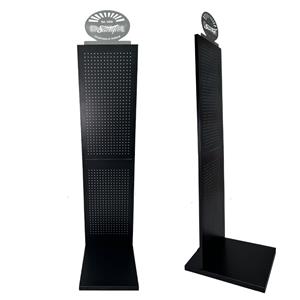
Hooks and Pegboards
End Caps
Signage and Graphics
Mannequins
4. How do I choose the right store fixtures for my retail space?
Consider your merchandise type, store layout, and branding needs. Fixtures should be functional, complement your store's design, and fit within your budget. Evaluate your space to determine the best fixture types and configurations for optimal product presentation and customer flow.
5. Can store fixtures be customized?
Yes, many store fixtures can be customized to align with your store's branding and specific needs. Customization options include materials, colors, sizes, and designs. Collaborating with a fixture supplier or designer can help create fixtures that match your store’s style and functional requirements.
6. How can I maximize space with store fixtures?
Utilize fixtures that optimize vertical space, such as wall-mounted shelves and tall display racks. Modular and adjustable fixtures can adapt to changing merchandise or store layouts. Plan your store layout carefully to ensure efficient use of space and smooth customer flow.
7. How do I maintain store fixtures?
Regularly clean and inspect fixtures to ensure they remain in good condition. Check for wear and tear, and repair or replace damaged parts. Follow manufacturer guidelines for maintenance and cleaning to extend the lifespan of your fixtures.
8. Can store fixtures be used for different types of retail stores?
Yes, store fixtures can be adapted for various retail environments, including clothing stores, electronics shops, grocery stores, and more. The choice of fixtures depends on the specific needs and merchandise of the store.
9. How can store fixtures improve the customer experience?
Well-designed fixtures make products easy to find and browse, enhancing the overall shopping experience. Effective use of fixtures creates an organized, aesthetically pleasing environment that encourages customers to spend more time in the store.
10. Where can I purchase store fixtures?
Store fixtures can be purchased from specialized fixture suppliers, retail equipment stores, or custom fixture manufacturers. Online retailers and local suppliers also offer a wide range of options.