

How Intermediaries Adjust Display Supply Chains
When rare earth elements and soybeans appear in the same trade agreement, doesn't it seem like a cross-industry collaboration between "hardcore technology" and "pastoral idyll"? Regardless of the agreement's content, for intermediaries deeply rooted in the retail display equipment sector, this undoubtedly sends a somewhat reassuring signal: the "storm" of massive tariff increases may be temporarily averted. However, the all-clear signal doesn't mean you can relax and take a vacation. For those operating in display flex (flexible display systems), food display solutions, supermarket display racks, retail display panel brackets, and store fixture brackets, daily pressures related to cost, quality, and delivery remain ever-present. While the trade winds may have eased distant risks, true success in the display industry still firmly rests on material control, inspection management, logistics planning, and reliable supplier collaboration.
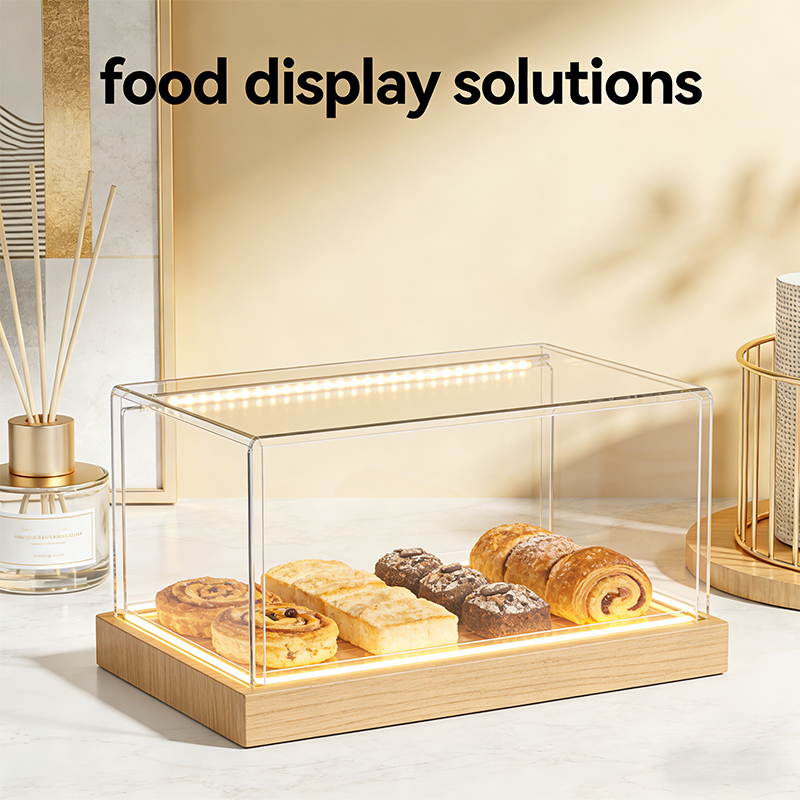
Market Signals and the Real Situation of Intermediaries: When Macroeconomic Benefits Meet Microeconomic Troubles
Trade agreements involving rare earth elements and soybeans may boost manufacturing confidence, but shrewd intermediaries haven't completely relaxed. Orders for supermarket display racks typically require planning months in advance, and quotes for food display solutions can't change overnight. Buyers using display flex systems demand a stable and smooth supply chain, not unexpected "surprises" like a rollercoaster ride.
For many intermediaries, products like retail display panel brackets and store fixture brackets are highly sensitive to fluctuations in raw material costs. Steel prices, coating uniformity, and packaging methods—these tangible details are far more important than news headlines. A stable trade environment is helpful, but it cannot replace rigorous and orderly order management for any display flex or supermarket display racks project. After all, business is a long-term endeavor, not a one-time deal.
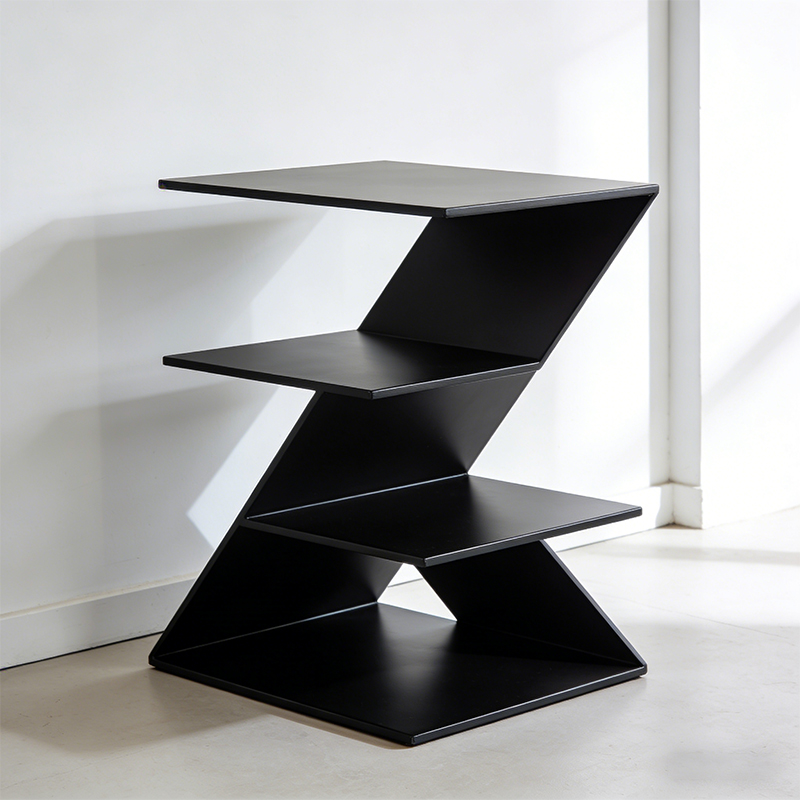
Choosing Stable Materials for Food Display Projects: Don't Let Rusty Brackets Scare Away Customers
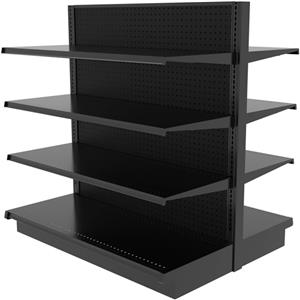
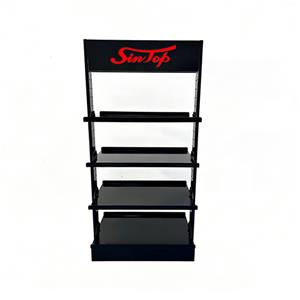
Material selection remains a core issue when dealing with food display solutions. In the fresh produce and packaged food sections, metal components must strike a perfect balance between strength and surface safety. Supermarket display racks typically rely on a combination of cold-rolled steel and powder coating to withstand load-bearing requirements and the test of long-term use.
In display flex systems, modular compatibility depends on consistent material thickness. retail display panel brackets must meet load-bearing requirements without deformation, while store fixture brackets require uniform dimensions to ensure a perfect fit with standard panels. Intermediaries who clearly define materials at the beginning of a project can effectively reduce subsequent disputes, thereby protecting the profit margins of food display solutions and supermarket display racks projects. Remember, good materials are the silent ambassadors of good business.
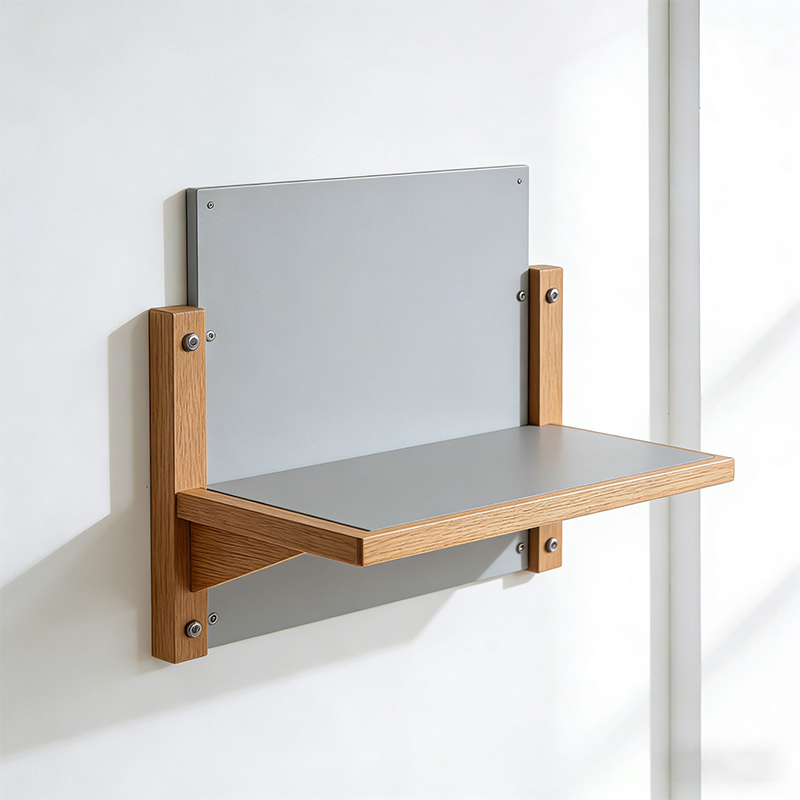
Inspection Challenges Intermediaries Cannot Ignore: The Devil is in the Details
The inspection process is consistently one of the most underestimated risk areas. For display flex orders, tiny dimensional deviations can render the entire system incompatible. If inspection is delayed until final packaging, supermarket display racks often reveal problems with welding and coating.
For retail display panel brackets, hole accuracy and edge finishing are common problem areas. store fixture brackets may look polished, but if the steel thickness is inconsistent, load testing will reveal their flaws. Intermediaries handling food display solutions typically employ phased inspections to avoid last-minute emergency corrections. Strict inspection discipline protects not only delivery schedules but also long-term buyer trust.
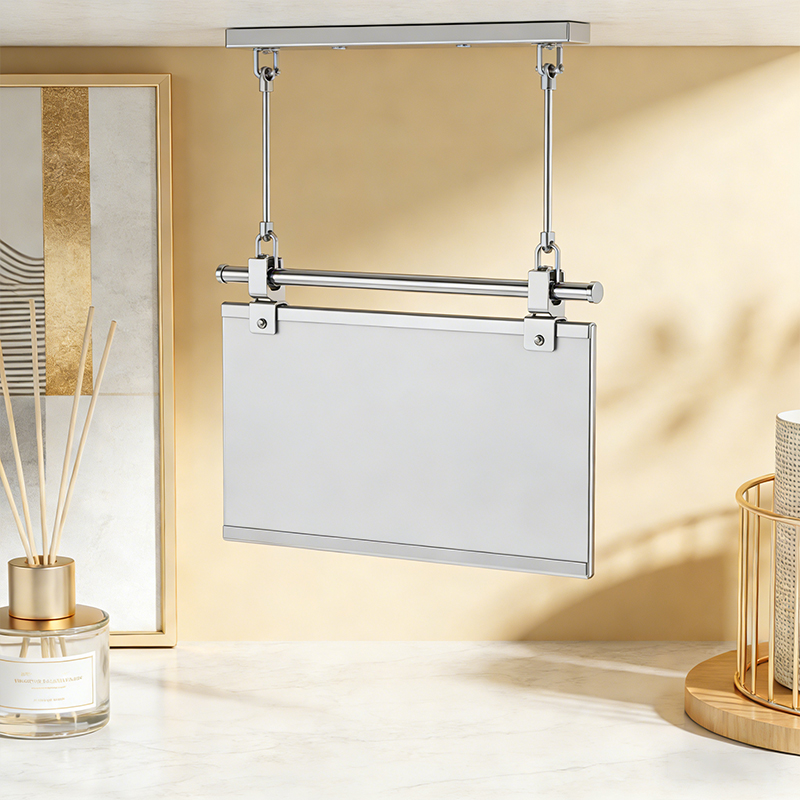
Logistics Planning for Brackets and Modular Displays: Saved Shipping Costs are Pure Profit
Avoiding large tariff increases helps with long-term planning, but logistics execution is key to successful delivery. Supermarket display racks and display flex components use knockdown packaging to effectively control volume and save on shipping costs. For food display solutions, packaging must prevent surface damage and moisture intrusion.
Small items like retail display panel brackets and store fixture brackets require secure inner packaging to prevent mixing or loss. Many intermediaries are now turning to consolidated shipping to stabilize shipping costs and handle customs documentation more efficiently. Logistics is more than just transportation; it's the art of cost control for every display flex and supermarket display racks order.
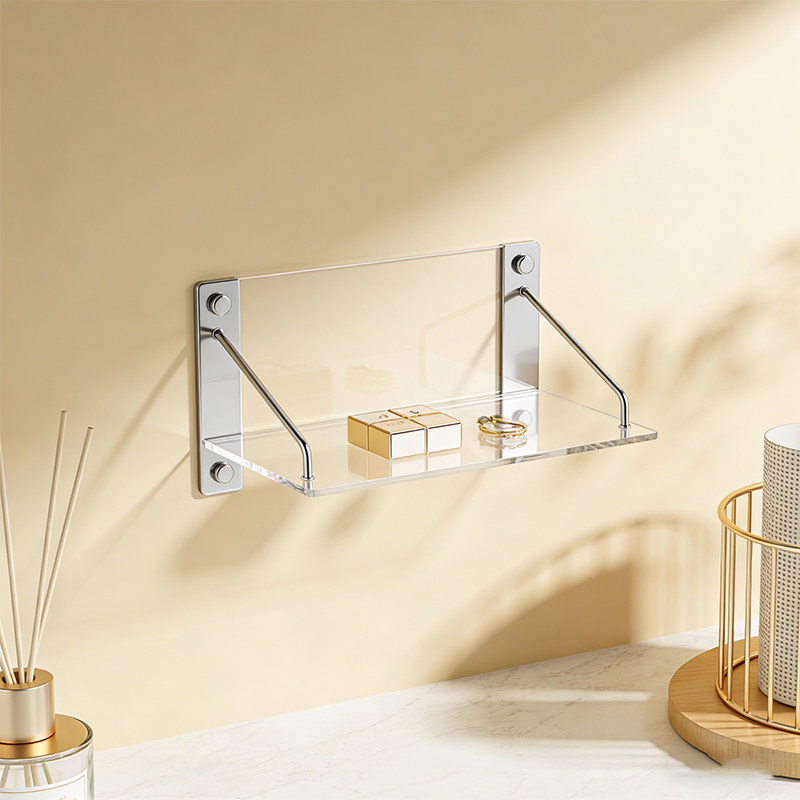
How to Collaborate Efficiently with Chinese Display Fixture Manufacturers: From Supplier to Partner
Building strong relationships with Chinese suppliers remains crucial. Experienced factories understand the differentiated requirements of different markets for food display solutions and know that supermarket display racks must meet retail standards. For display flex systems, clear drawings and revision tracking can significantly reduce communication misunderstandings.
Suppliers of retail display panel brackets and store fixture brackets should be able to provide stable molds and consistently high-quality output. For intermediaries, establishing long-term partnerships is far more beneficial than frequently changing suppliers. Stable relationships lead to smoother production processes for every display flex and food display solutions project.
Frequently Asked Questions for Display Equipment Intermediaries
Q1: Will trade agreements immediately lower the cost of supermarket display racks?
No. Agreements help stabilize the environment, but the main drivers of price remain material and logistics costs.
Q2: What material is most suitable for food display solutions?
Powder-coated steel remains the most reliable choice in terms of hygiene and durability.
Q3: Why do retail display panel brackets often fail inspection?
Tolerance control and inconsistent hole positioning are common reasons.
Q4: How can display flex systems reduce logistics costs?
Modular packaging and standardized components improve container utilization efficiency.
Q5: Are store fixture brackets suitable for bulk stocking?
Yes, as long as the material and surface treatment remain consistent between batches.
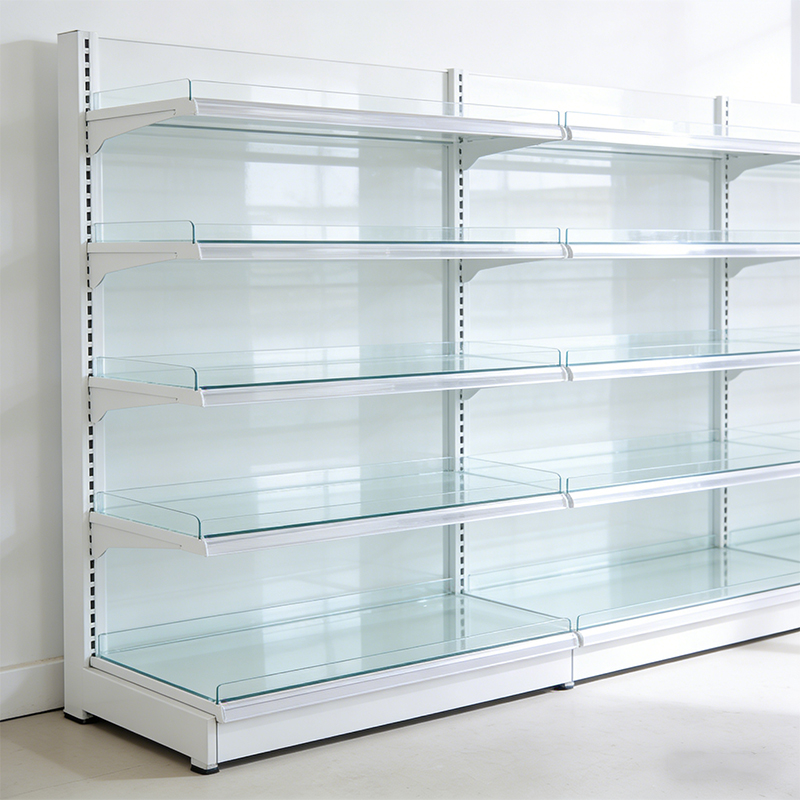
Conclusion
Even if trade agreements on rare earth elements and soybeans help avoid large-scale tariffs, intermediaries must still focus on solid execution. For products such as display flex, food display solutions, supermarket display racks, retail display panel brackets, and store fixture brackets, success still depends on clear material standards, strict inspection discipline, meticulous logistics planning, and reliable supplier collaboration. Trade stability provides a favorable backdrop, but strong fundamentals are essential for maintaining the profitability of the display equipment business.
Sintop Value
At Sintop, we understand that intermediaries succeed not because of short-term trade stability, but because of long-term execution strength.
With extensive experience supplying display flex systems, food display solutions, and supermarket display racks, we help partners control risk at every stage—from material selection and structural design to inspection standards and logistics optimization. Our retail display panel brackets and store fixture brackets are produced with consistent steel thickness, precise tolerances, and reliable surface treatments to ensure compatibility across modular systems.
More than a supplier, Sintop acts as a manufacturing partner that supports intermediaries with stable production, transparent communication, and scalable capacity—so your display supply chain remains resilient, efficient, and profitable even when market conditions shift.

Contact information
Website: www.sintopfixtures.com
Wechat/WhatsApp: +86 15980885084
Email: elly@xm-sintop.com
FAQ
1. What are store fixtures?
Store fixtures are essential equipment and furniture used in retail spaces to display, organize, and store merchandise. Examples include shelving units, racks, display cases, counters, and hooks.
2. Why are store fixtures important?
Store fixtures enhance the shopping experience by organizing products, improving accessibility, maximizing space, and creating appealing displays that attract customers and boost sales.
3. What types of store fixtures are commonly used?
Common types of store fixtures include:
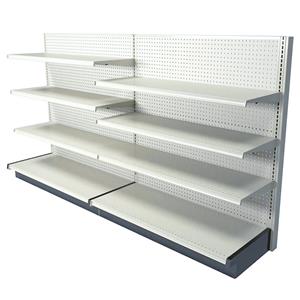
Shelving Units(wall shelves, free-standing shelves, adjustable shelving)
Display Cases (glass cases, countertop cases)
Racks (clothing racks, display racks)
Counters (checkout counters, service counters)
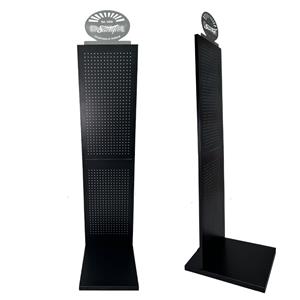
Hooks and Pegboards
End Caps
Signage and Graphics
Mannequins
4. How do I choose the right store fixtures for my retail space?
Consider your merchandise type, store layout, and branding needs. Fixtures should be functional, complement your store's design, and fit within your budget. Evaluate your space to determine the best fixture types and configurations for optimal product presentation and customer flow.
5. Can store fixtures be customized?
Yes, many store fixtures can be customized to align with your store's branding and specific needs. Customization options include materials, colors, sizes, and designs. Collaborating with a fixture supplier or designer can help create fixtures that match your store’s style and functional requirements.
6. How can I maximize space with store fixtures?
Utilize fixtures that optimize vertical space, such as wall-mounted shelves and tall display racks. Modular and adjustable fixtures can adapt to changing merchandise or store layouts. Plan your store layout carefully to ensure efficient use of space and smooth customer flow.
7. How do I maintain store fixtures?
Regularly clean and inspect fixtures to ensure they remain in good condition. Check for wear and tear, and repair or replace damaged parts. Follow manufacturer guidelines for maintenance and cleaning to extend the lifespan of your fixtures.
8. Can store fixtures be used for different types of retail stores?
Yes, store fixtures can be adapted for various retail environments, including clothing stores, electronics shops, grocery stores, and more. The choice of fixtures depends on the specific needs and merchandise of the store.
9. How can store fixtures improve the customer experience?
Well-designed fixtures make products easy to find and browse, enhancing the overall shopping experience. Effective use of fixtures creates an organized, aesthetically pleasing environment that encourages customers to spend more time in the store.
10. Where can I purchase store fixtures?
Store fixtures can be purchased from specialized fixture suppliers, retail equipment stores, or custom fixture manufacturers. Online retailers and local suppliers also offer a wide range of options.