

How to Deal with Price-Sensitive Consumers?
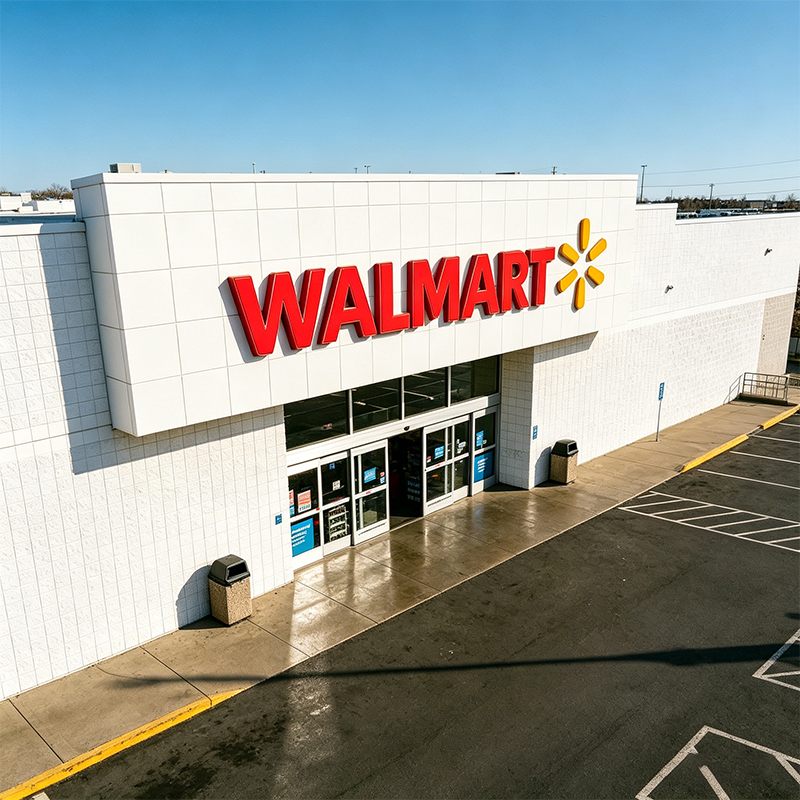
Walmart Announced the expansion of its private-label product line to cater to price-sensitive consumers.
Short summary first.
We see a sharp pivot. And it directly impacts display rack manufacturer, store display supplies, creative store displays, and boutique display fixtures as retailers redesign shelf economics under price pressure.
Then the reality hits harder. Walmart’s April 2026 announcement to scale private label penetration beyond 28% SKU share signals a structural reset, not a seasonal move; it forces procurement teams to renegotiate margins, compress fixture budgets, and demand modular, low-cost, high-turn solutions from display rack manufacturer while pushing store display supplies toward standardized formats that can support rapid SKU rotation and regional price testing.
So what changes?
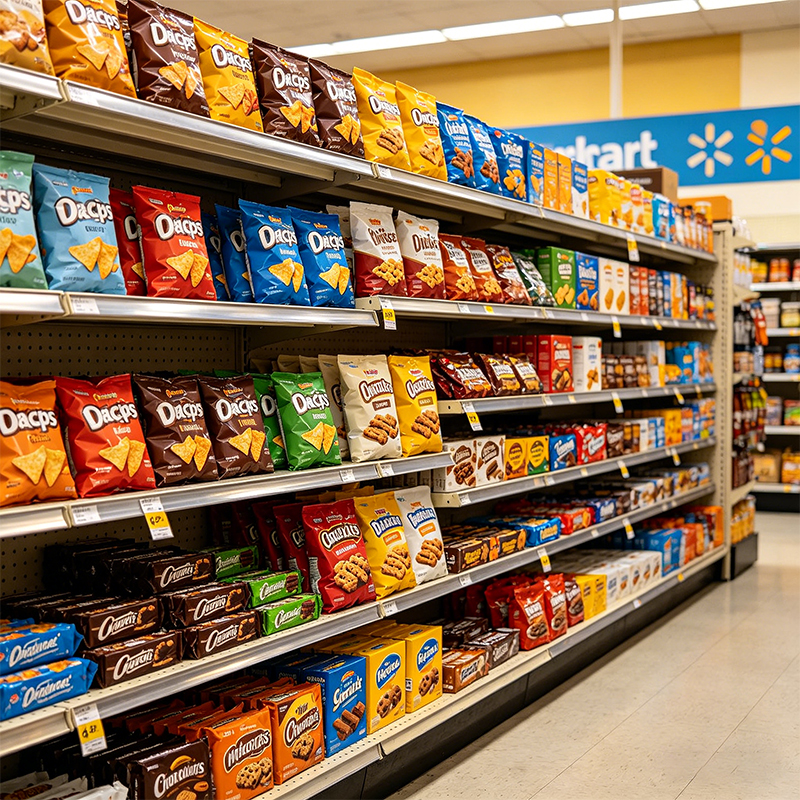
Price War. Real Pressure.
We’ve been here before.
But this time feels tighter, faster, less forgiving.
According to a recent Reuters report on Walmart pricing strategy, private label expansion is tied to a projected 3–5% margin buffer in inflation-heavy categories like food and household goods. That sounds small. It isn’t.
Because on the ground, we see buyers cutting fixture budgets by 12%–18% while still demanding premium-looking creative store displays. And that contradiction lands directly on display rack manufacturer.
I’ve personally lost bids.
Not because of quality.
Because of $0.80 per unit.
And yet, store display supplies still need to perform—faster restocking, better visibility, lower footprint.
Is the industry ready for that squeeze?
The Quiet Shift in Store Display Supplies
Margins shrink.
Fixtures adapt.
In 2025, U.S. Census retail inventory data showed a 6.2% increase in turnover frequency for FMCG categories. That means racks, shelves, and boutique display fixtures must support faster cycles, not just aesthetics.
We now design for speed.
Not just looks.
And that’s why store display supplies are moving toward:
Snap-fit metal systems
Adjustable grid panels
Flat-pack shipping formats
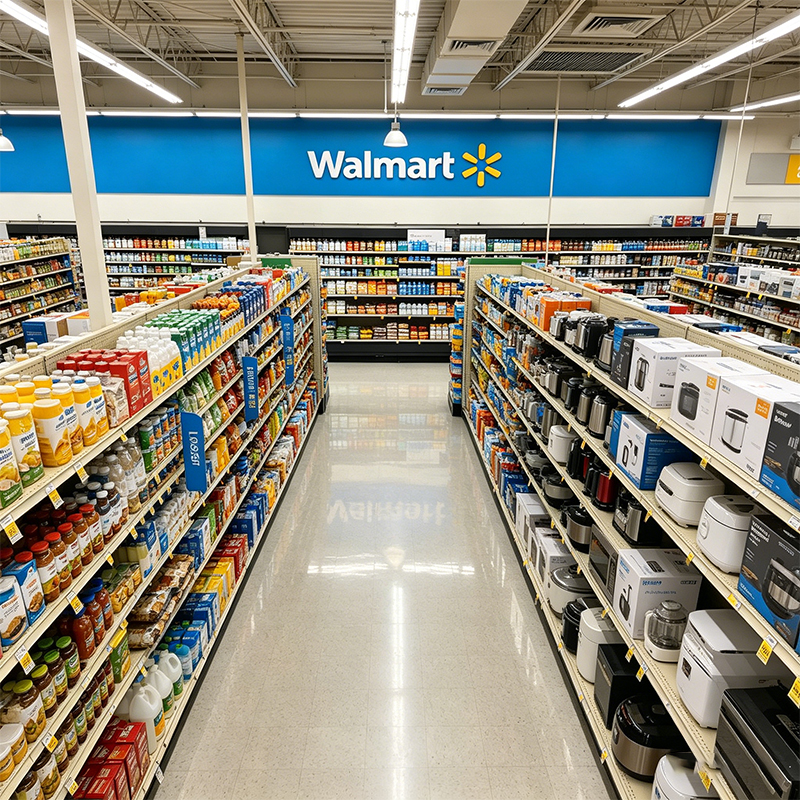
Creative store displays are no longer artistic experiments. They are engineered systems.
But here’s the uncomfortable truth.
Retailers want boutique display fixtures at warehouse pricing.
Creative Store Displays Are Becoming Data Tools
Three words.
Data-driven fixtures.
We worked with a mid-sized U.S. grocery chain in late 2025. They integrated RFID-enabled shelving and tracked dwell time per SKU. Result? A 14% lift in private label conversion.
That aligns with a Harvard Business School retail analytics study showing that product placement influences up to 35% of purchase decisions in price-sensitive environments.
So yes, creative store displays still matter.
But not the way people think.
It’s not about beauty.
It’s about behavior.
display rack manufacturer now compete on how well their fixtures support analytics, not just durability.
And frankly, many are behind.
Boutique Display Fixtures in a Mass-Market World
Sounds contradictory.
It isn’t.
Even Walmart is segmenting store formats—urban, suburban, high-income clusters. That creates demand for boutique display fixtures inside large-format retail.
We’ve seen:
Wood-metal hybrid racks in premium aisles
Low-profile shelving for “organic” sections
Soft lighting integrated into store display supplies
Why?
Because private label doesn’t mean cheap anymore.
It means controlled branding.
And creative store displays become the bridge between cost efficiency and perceived value.
But here’s the risk.
Overdesign kills ROI.
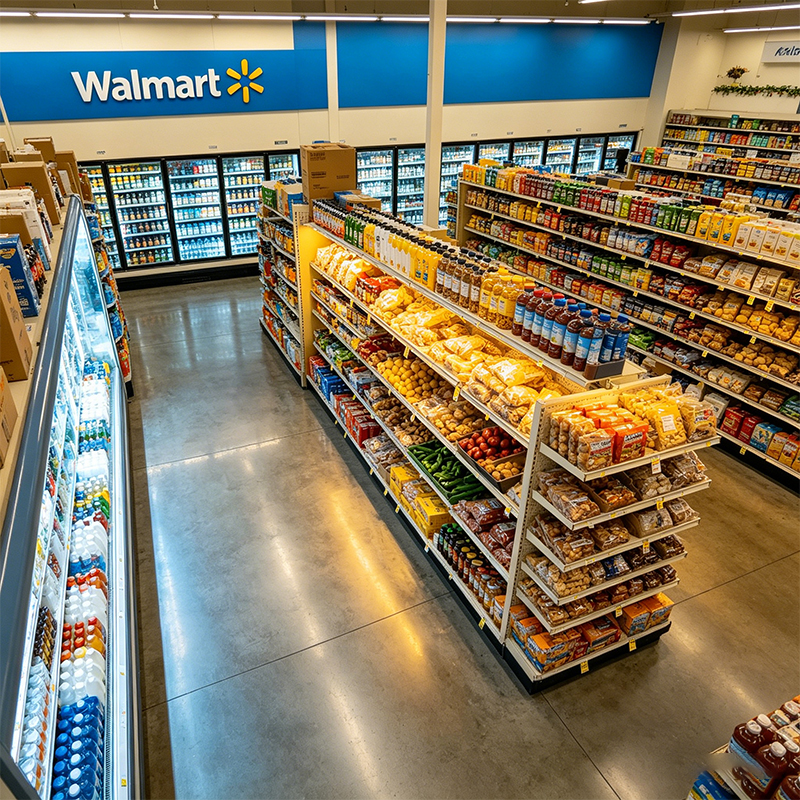
What Shop Display Stands Suppliers Must Do Now
Adapt fast.
Or lose relevance.
Based on current procurement patterns, here’s what actually wins contracts in 2026:
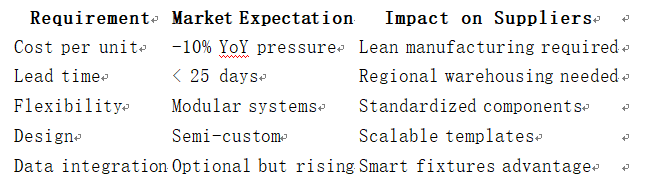
We learned this the hard way.
One client rejected a fully custom project because it couldn’t scale across 300 stores.
And that’s the shift.
From custom to controlled customization.
Store display supplies must now behave like software—repeatable, adaptable, measurable.
The Hard Truth About This Cycle
Margins compress.
Expect pain.
Private label growth isn’t temporary. According to a 2026 Bloomberg retail outlook, U.S. private label share could reach 32% by 2027.
That means:
More SKU churn
More pricing experiments
More pressure on fixture ROI
And yes, more demand for display rack manufacturer—but only the efficient ones survive.
Creative store displays will still exist.
But they must justify every inch of space.
Boutique display fixtures will still sell.
But only when tied to measurable conversion gains.
So the question becomes uncomfortable.
Are you selling fixtures?
Or are you solving retail math?
FAQs
What are display rack manufacturer and why are they important in modern retail?
display rack manufacturer are manufacturers and solution providers that design, produce, and deliver retail fixtures used to organize, present, and optimize product visibility, directly impacting sales conversion rates, inventory turnover, and in-store customer behavior in price-sensitive environments.
What are store display supplies in the context of Walmart’s strategy?
Store display supplies refer to the physical systems such as shelving, racks, hooks, and modular units used to present merchandise, and in Walmart’s strategy they are increasingly standardized, cost-efficient, and designed to support rapid SKU rotation and private label expansion.
How do creative store displays influence purchasing decisions today?
Creative store displays are structured visual merchandising systems that combine layout, lighting, and positioning to guide shopper behavior, and current data shows they can influence up to 35% of purchasing decisions, especially when aligned with pricing strategies and product placement analytics.
Why are boutique display fixtures still relevant in large retail chains?
Boutique display fixtures are specialized, design-focused retail fixtures that enhance perceived product value, and even in large chains they are used in premium segments to differentiate private label products and improve brand perception without significantly increasing costs.
CTA
We’ve seen the shift from the inside.
And we build for it.
If your retail strategy is evolving, your fixtures must evolve faster. Talk to real display rack manufacturer who understand store display supplies, rethink creative store displays, and deliver scalable boutique display fixtures that actually perform.
Sintop’s Value
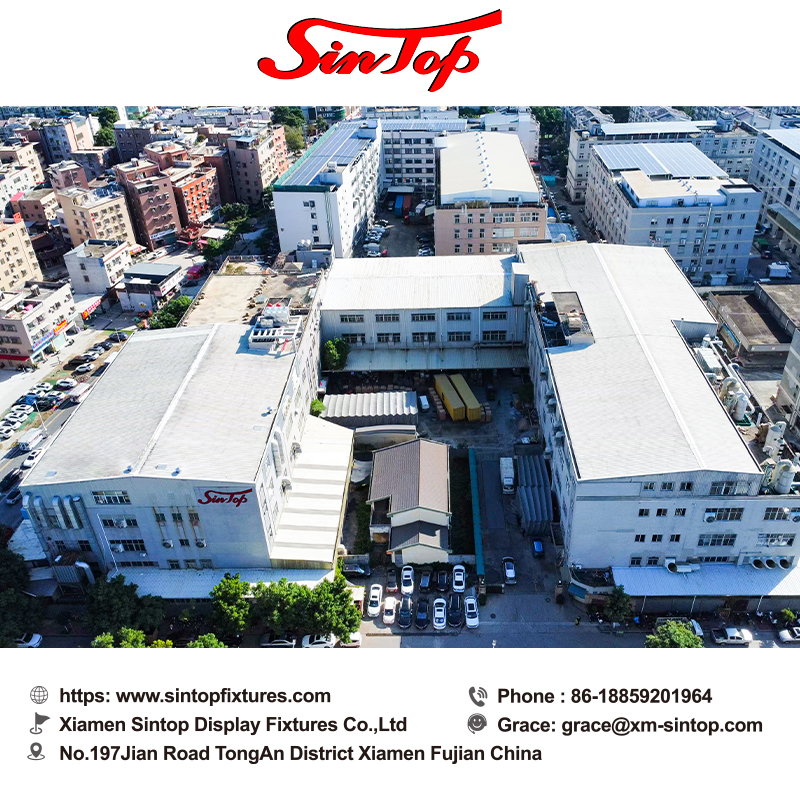
At Sintop, we help retailers adapt to price-driven markets with optimized systems built around display rack manufacturer capabilities, standardized store display supplies, and scalable creative store displays.
Our strengths include:
Cost-controlled production tailored to modern display rack manufacturer requirements
Modular store display supplies designed for fast SKU rotation
Semi-custom boutique display fixtures that balance branding and scalability
Engineering solutions that improve ROI under margin pressure
We don’t just produce fixtures—we deliver systems that solve real retail math.

Contact information
Website: www.sintopfixtures.com
Wechat/WhatsApp: +86 15980885084
Email: elly@xm-sintop.com
FAQ
1. What types of display racks can Sintop provide?
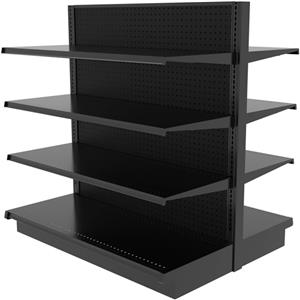
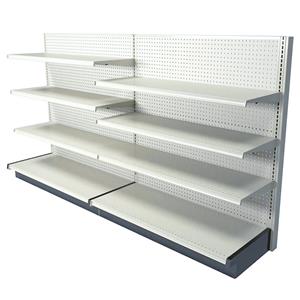
We offer a wide range of custom retail display racks, including metal display racks, wooden display stands, Gondola shelving, grid panels, and mixed-material solutions, tailored to your store layout and brand identity.
2. Can I order a single unit or prototype?
Yes, no minimum order is required. We can produce prototypes or single units as well as large-volume orders.
3. How long does it take to receive an order?
New items: 3–5 weeks for tooling and production.
Reorders: 2–4 weeks depending on product type.
We are flexible and strive to meet your required delivery dates.
4. Can Sintop handle OEM or ODM projects?
Yes, we specialize in OEM and ODM solutions, turning your ideas or drawings into custom, high-quality display racks.
5. How does Sintop ensure quality?
Every display rack undergoes material inspection, welding and structural checks, surface finish testing, and final assembly inspection to ensure durability, safety, and visual appeal.