

Why Are Storage Systems Changing in 2026?
1. What Is the 2026 Heatwave Telling Furniture Buyers?
The European heatwave has become a retail story as much as a weather story. In June, England recorded its warmest June on record, with a mean temperature of 17.1°C. BBC Weather reported that Lingwood in Norfolk reached 37.7°C on 26 June, a new UK June record. BBC reporting also noted red heat alerts in several European countries as temperatures moved toward or above 40°C.
The heat did not simply change what people bought. It changed when, where and why they shopped. BRC-Sensormatic data showed UK footfall fell 3.4% year on year in June, with high-street footfall down 6.2%. In July, total footfall was down 2.1%, while high-street traffic fell 3.8%. Retail parks gained 1.2%. The message is blunt: physical retail became harder to visit when temperatures stayed extreme.
BRC retail sales data for July adds another layer. Total UK retail sales grew 1.3% year on year, but non-food sales fell 0.7%. In-store non-food sales fell 1.9%, while online non-food sales rose 1.3%. Online penetration reached 35.9% for non-food purchases. Furniture suppliers should read this as a product-design signal, not just an e-commerce signal: buyers need to understand a product quickly from dimensions, images, materials, storage capacity and installation information.
Reuters reported in July that Dunelm lifted quarterly sales 2.9% to £428 million, helped by summer demand and online shopping, while DFS Furniture saw order intake fall 4.4% in the six months to June. Reuters described a market in which shoppers were more cautious about expensive home purchases. Smaller, useful home products had an easier path to the basket than large discretionary purchases.
For manufacturers, that distinction matters. A well-designed cabinet does not need to be cheap to win. It needs to explain why its footprint, capacity, finish and flexibility justify the price. This is where the new generation of storage products has an edge.
2. Why Are Flexible Kitchen and Home Storage Systems Gaining Ground?
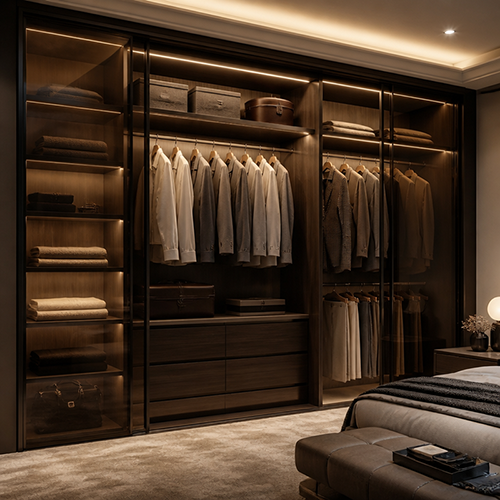
The strongest furniture concepts in 2026 are less dependent on one room or one function. A kitchen can need pantry storage, appliance space, open shelving and concealed cabinets. A hallway can need shoe storage, hooks, drawers and a seat. A bedroom can need long-hang space, folded-clothing storage, accessories and seasonal organization.
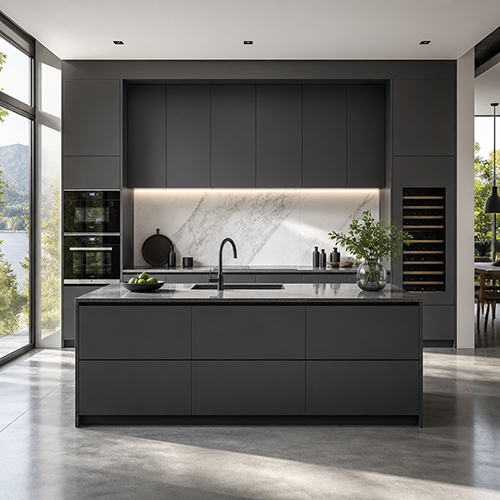
A modern kitchen cabinet system should therefore be planned around tasks rather than a simple row of boxes. Adjustable shelves, integrated drawers, tall units and mixed open-and-closed storage can help households adapt the layout as routines change. For retailers, modular components also make it easier to offer several price levels without creating an entirely new product platform.
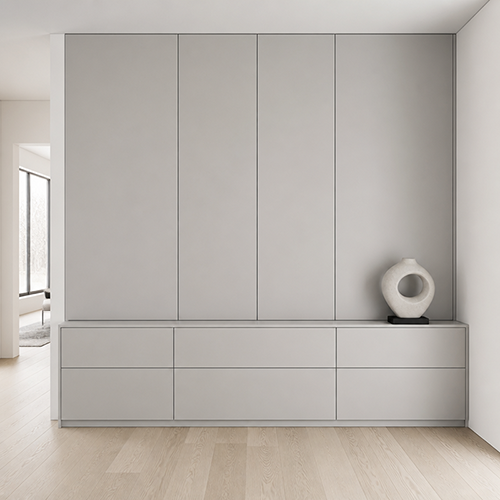
The same logic explains the demand for minimalist storage cabinets. Minimalism is not just about removing decoration. It is about reducing visual noise while keeping everyday objects easy to reach. Flat fronts, restrained hardware, neutral finishes and vertical proportions can make a cabinet feel lighter, even when it provides substantial capacity.
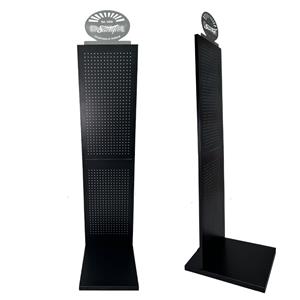
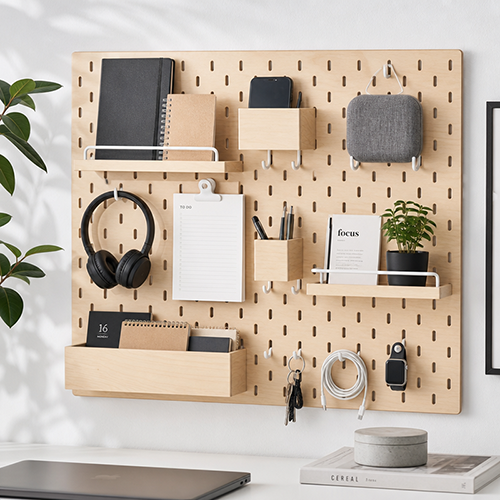
A pegboard organizer system brings the same thinking to smaller items. Instead of hiding every tool or accessory in a drawer, a configurable board lets users place frequently used objects where they can be reached quickly. In kitchens, home offices, workshops and utility rooms, this can turn unused wall space into active storage.
The practical lesson is simple: storage is becoming more configurable. Buyers are less interested in a cabinet that performs one task forever and more interested in a system that can change with the room.
3. Which Storage Format Fits Which Space?
| Format | Best use | Strength | Buyer question |
|---|---|---|---|
| kitchen cabinet system | Kitchen, pantry, utility zone | Flexible modules and strong capacity | Can the layout change later? |
| minimalist storage cabinets | Living room, office, bedroom | Clean appearance with concealed storage | Does the cabinet reduce visual clutter? |
| display cabinet with glass doors | Dining room, retail, hospitality | Protection plus clear product visibility | Is the glass, lighting and frame durable? |
| pegboard organizer system | Kitchen, workshop, office | Fast access and easy reconfiguration | Can accessories move without rebuilding the wall? |
| bedroom wardrobe closet system | Bedroom, dressing room | Dedicated zones for hanging and folded items | Does it use vertical space efficiently? |
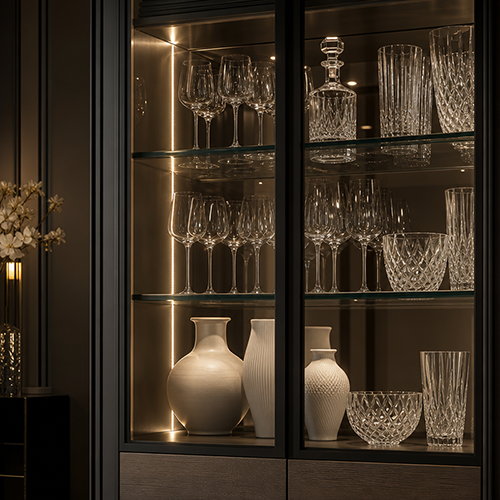
A display cabinet with glass doors sits at an interesting point between furniture and merchandising. At home, it can protect ceramics, books, collectibles or dining pieces. In retail and hospitality, it can create a controlled presentation area without leaving products exposed to dust or accidental contact. The frame, hinge quality, glass thickness, lighting position and cleaning access all matter.
For bedrooms, a bedroom wardrobe closet system should be judged by usable storage rather than exterior size alone. Long garments need clear vertical space. Folded clothing needs shelf height that avoids wasted air. Accessories need drawers, trays or small compartments. Upper zones can hold seasonal goods that are used less often.
These systems also suit project buyers because they can be specified as a repeatable package. That is valuable for hotels, apartments, showrooms and multi-site retail programs where the same visual language must be maintained while dimensions may change from one location to another.
4. What Should Manufacturers Change Before the Next Buying Cycle?
The first change should be modular engineering. A product family built from repeatable panels, frames, shelves and hardware can support several configurations. That reduces redesign work and gives buyers more room to adjust dimensions.
The second change should be material strategy. Metal provides structural strength and a commercial look. Wood and engineered boards bring warmth and broad finish choices. Acrylic can add lightness and visibility. The right combination depends on the application, budget and expected service life.
The third change is online specification. Reuters reported that UK internet sales reached 29.4% of retail sales in the three months to June, the highest share since April 2021, as the heatwave discouraged some high-street visits. A furniture buyer who cannot see dimensions, material details, finish options, assembly requirements and customization limits online may simply move to another supplier.
The fourth change is climate-aware retail design. Reuters reported in August that repeated European heatwaves are disrupting business activity, while Moody’s estimated the 2025 summer heatwaves caused €43 billion in economic losses. The lesson for store and furniture planners is not that every cabinet needs a climate feature. It is that resilient design, efficient lighting, durable finishes and flexible layouts deserve more attention.
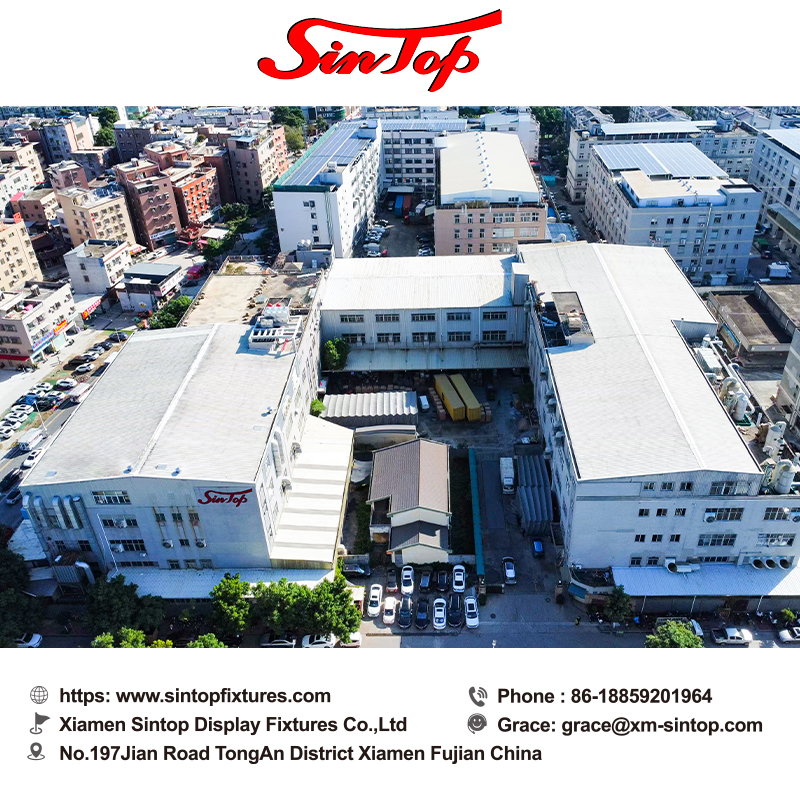
Xiamen Sintop Display Fixtures Co., Ltd. fits this manufacturing model. Established in 2002, the company is based at No.197 Jian Road, TongAn District, Xiamen, Fujian, China 361100. Sintop combines metal, wood and acrylic production with OEM/ODM support, engineering, prototyping and mass production. Its manufacturing experience is rooted in retail fixtures, which is useful when a storage product needs the same discipline in structure, finish consistency, repeatability and shipping efficiency.
For international buyers, the advantage is not simply having a factory. It is having one manufacturing partner that can discuss drawings, samples, materials, surface treatment, packaging and production details in the same project conversation.
5. FAQ: What Do Buyers Need to Know About 2026 Storage Design?
What makes a kitchen cabinet system different from a standard cabinet layout?
A kitchen cabinet system is planned as a coordinated set of modules. Shelves, drawers, tall units and storage zones can be arranged around cooking, cleaning and appliance tasks. This makes later changes easier than replacing a complete fixed layout.
Are minimalist storage cabinets only suitable for modern homes?
No. Their simple fronts and restrained hardware can work in contemporary, Scandinavian, hospitality and many transitional interiors. The finish and proportions determine the visual character.
Where should a display cabinet with glass doors be used?
It works well where items need protection and visibility. Homes can use it for dining pieces or collectibles, while retail and hospitality projects can use it for controlled product presentation. Glass type, hardware and lighting should be selected for the service environment.
What are the advantages of a pegboard organizer system?
It turns wall area into adjustable storage. Hooks, shelves and holders can be moved as needs change, making it useful for kitchens, offices, workshops and utility rooms.
How should I plan a bedroom wardrobe closet system?
Start with the garments and habits of the user. Measure long-hang, short-hang, folded clothing, drawers and upper storage separately. Then check door clearance, lighting, ventilation and installation access before finalizing the dimensions.
Can Sintop manufacture customized storage products?
Yes. Xiamen Sintop Display Fixtures Co., Ltd. provides customized metal, wood and acrylic manufacturing, with design, sample development and production support. Buyers can send drawings, dimensions, materials or project specifications for review.
CTA
The 2026 market is rewarding storage that earns its footprint. For retailers, importers, hotel groups and interior-project buyers, the next step is to review dimensions, modular options, materials, installation and packaging before the next sourcing cycle. Sintop can support custom storage, wardrobes, cabinets and retail fixtures from early design through production.
Sintop Value
Sintop helps retailers and furniture brands turn changing storage trends into practical products, offering customized metal, wood and mixed-material solutions with flexible design, prototyping and mass-production capabilities.

Contact information
Website: www.sintopfixtures.com
Wechat/WhatsApp: +86 15980885084
Email: elly@xm-sintop.com
FAQ
1. What types of display racks can Sintop provide?
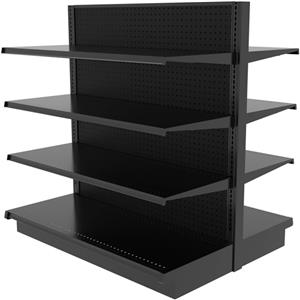
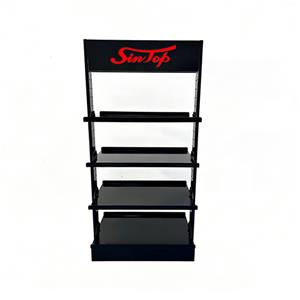
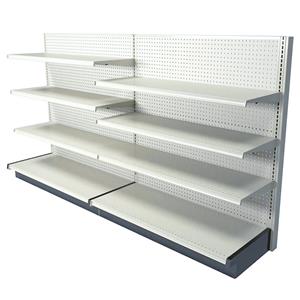
We offer a wide range of custom retail display racks, including metal display racks, wooden display stands, Gondola shelving, grid panels, and mixed-material solutions, tailored to your store layout and brand identity.
2. Can I order a single unit or prototype?
Yes, no minimum order is required. We can produce prototypes or single units as well as large-volume orders.
3. How long does it take to receive an order?
New items: 3–5 weeks for tooling and production.
Reorders: 2–4 weeks depending on product type.
We are flexible and strive to meet your required delivery dates.
4. Can Sintop handle OEM or ODM projects?
Yes, we specialize in OEM and ODM solutions, turning your ideas or drawings into custom, high-quality display racks.
5. How does Sintop ensure quality?
Every display rack undergoes material inspection, welding and structural checks, surface finish testing, and final assembly inspection to ensure durability, safety, and visual appeal.