

Why Must Furniture Work Harder in 2026?
1. The Heatwave Has Turned Furniture into Infrastructure
Reuters reports that 2026 heatwaves are reducing productivity, curbing consumer spending and raising operating costs. The BRC-KPMG monitor recorded UK retail sales growth of only 1.3% year on year for the four weeks to 1 August 2026. BBC reporting also recorded 38.1C in the UK during the fifth heatwave of the year. These numbers turn furniture from decoration into operating infrastructure.
The direct implication is simple. Materials that were acceptable in a stable indoor climate are now being exposed to wider temperature swings, higher cooling loads and more aggressive daily use. Storage furniture must therefore be specified like a working system: load, ventilation, hardware life, surface stability and packing all matter. A beautiful cabinet that twists after one summer is not a value product; it is a delayed replacement cost.
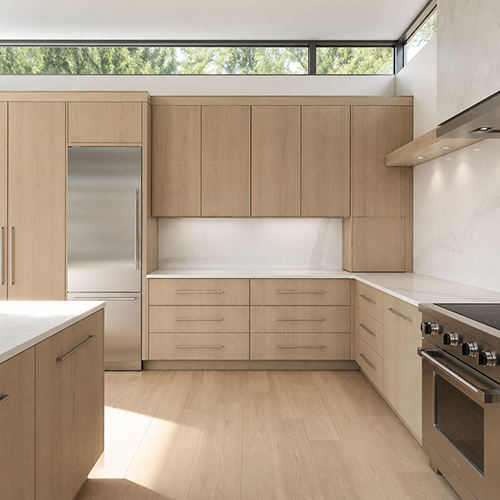
2. Kitchen Cabinets Face the Highest Daily Load
Kitchens are no longer single-purpose rooms. They hold food, small appliances, work equipment and recycling systems. That makes kitchen cabinets a test of workflow rather than just style. The strongest layouts separate high-frequency access from reserve stock, use vertical capacity intelligently and allow hardware to be repaired without replacing the full run.
For importers, kitchen cabinets also expose supply-chain weakness. Mixed materials, inconsistent drilling and poor packaging create expensive site delays. Sintop’s metal, wood and acrylic capability allows buyers to coordinate cabinet panels, frames, shelves and display components through one production partner.
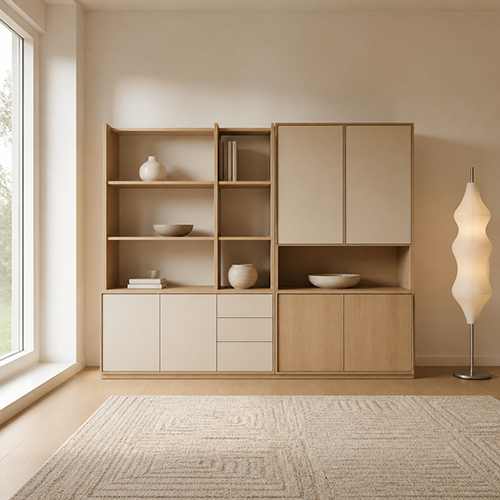
3. Wardrobes Are Becoming Property Infrastructure
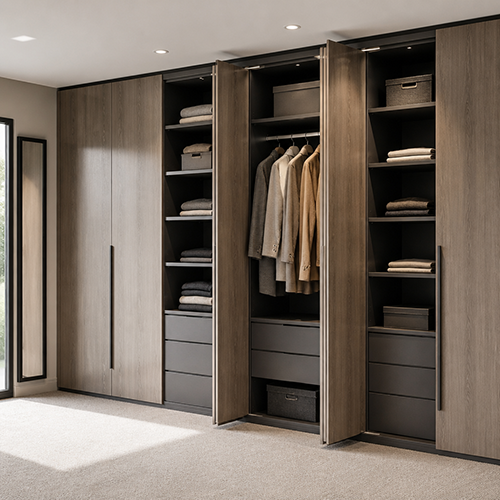
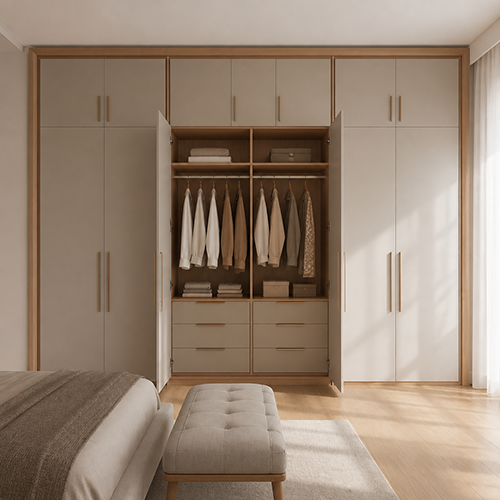
The smaller the home, the more important wardrobes become. A wardrobe is not merely a place to hang clothing; it is a vertical logistics wall for long garments, folded goods, shoes, accessories and seasonal stock. Buyers should judge wardrobes by usable volume, adjustment range, door clearance and installation access.
BRC’s cautious retail climate favors products that justify a higher initial price through long service life. Well-engineered wardrobes can be specified for apartments, hotels, rental developments and retail projects with repeatable dimensions. The key is to avoid decorative complexity that reduces usable capacity.
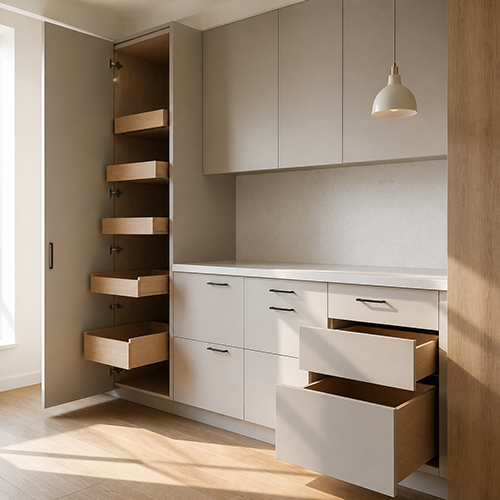
4. Sintop’s Manufacturing Advantage in a Volatile Cycle
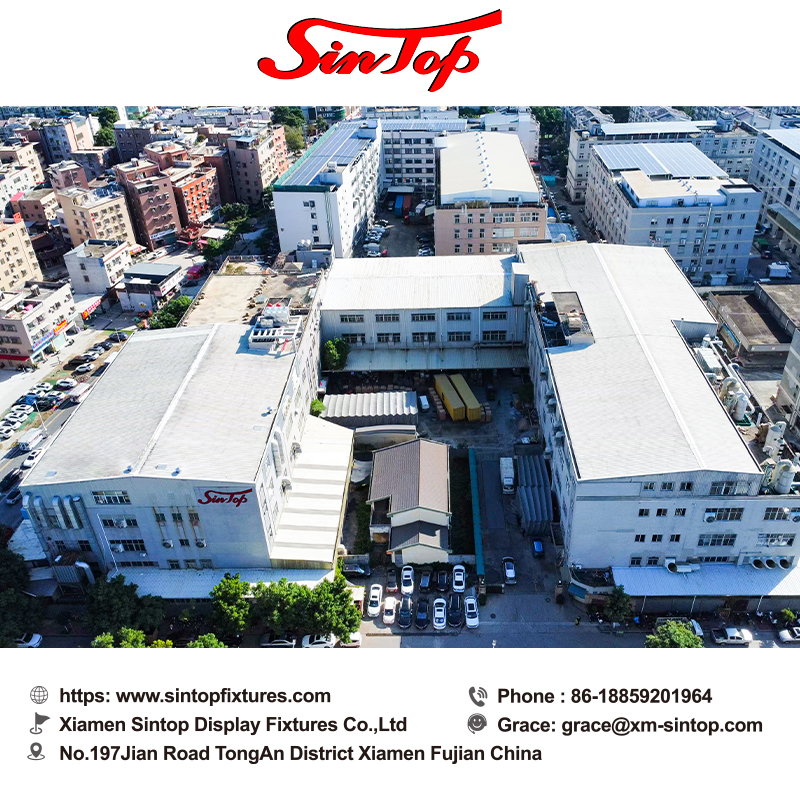
Xiamen Sintop Display Fixtures Co., Ltd. is one of China’s earliest display fixture suppliers. From No.197 Jian Road, TongAn District, Xiamen, Fujian, China 361100, Sintop supports OEM/ODM design, samples and mass production. Its experience with commercial fixtures gives storage furniture a more disciplined engineering base.
For a professional buyer, the value is coordination. Metal structures, wood surfaces, acrylic details, packing and production quality can be discussed in one workflow. That reduces part mismatch and helps retailers maintain consistent finishes across multiple sites.
5. The Procurement Verdict for 2026
The data does not say that consumers have stopped buying furniture. It says they are less tolerant of weak value. Storage furniture, kitchen cabinets and wardrobes must earn their footprint through capacity, serviceability and stable finishes. Buyers should request drawings, material samples, load information, packing details and a realistic reorder plan before approving a project.
In a heat-stressed economy, the winning supplier is not the one with the loudest catalogue. It is the one that can repeat quality when the order becomes large.
The first procurement mistake is to judge storage by empty-room photography. A cabinet may look generous when open, yet deliver little usable capacity after doors, hinges, dividers and service gaps are counted. Professional buyers should request a usable-volume drawing rather than a mood board. That drawing should show shelf depth, clearance, access zones and the space consumed by hardware. This simple discipline prevents a common 2026 failure: paying for visual mass while receiving poor working capacity.
The second mistake is to treat maintenance as someone else’s problem. Storage furniture used in rental housing, hotels and retail backrooms will be opened, moved, cleaned and reloaded far more often than a private showroom sample. Hinges need adjustment access. Drawer runners need replacement routes. Panels need edge protection. Finishes need to tolerate regular cleaning without turning cloudy or brittle. A supplier that explains these details is giving the buyer useful evidence, not sales language.
Kitchen cabinets deserve an even stricter test because they sit close to heat, moisture and heavy daily movement. Buyers should ask where steam can escape, how corner units are serviced and whether replacement doors can be matched later. A modular cabinet program is strongest when the first order and the reorder use the same drilling logic. That matters for property developers, because one failed module can create a visible mismatch across an entire apartment block.
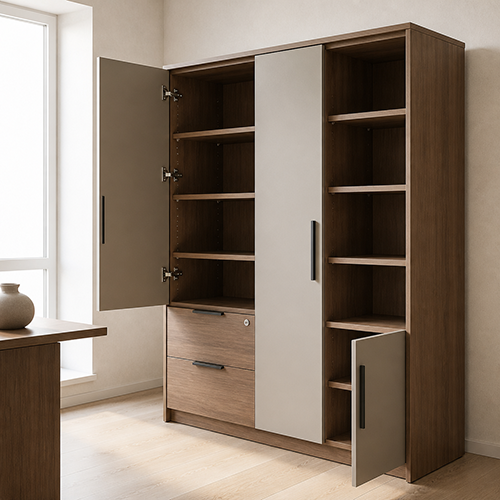
Wardrobes also need to be assessed from the inside out. Hanging rails should be placed for real garment lengths, upper shelves should remain reachable and drawers should not block the main path. In compact developments, a wardrobe that wastes ten centimeters on every side can remove the equivalent of a useful storage bay by the end of a project. The buyer’s job is to protect usable volume, not merely to approve a fashionable door profile.
The heatwave story adds a further procurement question: how will the product behave during transport and installation? A container, warehouse or unfinished building can experience conditions that differ sharply from the final room. Packaging must protect corners, glass and finished edges. Instructions must be clear enough for local installers. These are ordinary engineering questions, but 2026 makes ordinary questions financially important.
Sintop’s display-fixture background is relevant because retail fixtures are already designed around load, access, repeated assembly and visual consistency. That discipline transfers well to residential storage. A buyer can use the same review process for storage furniture, kitchen cabinets and wardrobes: approve a sample, check the hardware, inspect the finish, test packing and document the reorder specification.
The most defensible 2026 strategy is therefore not to buy the cheapest cabinet or the most elaborate one. It is to buy a repeatable system with clear tolerances and a supplier that can explain what happens after delivery. Heat, cautious spending and smaller floor plans are not temporary annoyances. They are the commercial environment in which the next furniture cycle will be judged.
A serious specification should begin with the user journey. Daily items need immediate access, weekly items need clear shelves, and seasonal items can move behind doors or above eye level. This order reduces repeated handling and keeps the room easier to maintain. It also gives the manufacturer a practical basis for deciding shelf spacing, drawer depth and door position.
Buyers should separate capacity from accessibility. A deep cabinet may hold more objects, yet waste time if the rear is unreachable. A shallow shelf may hold less, yet improve visibility and prevent duplicate purchases. The strongest system balances volume, access and maintenance rather than chasing a single capacity number.
Hardware is a service issue, not a hidden detail. Door gaps, drawer runners and concealed supports must tolerate repeated movement and changes in environment. A project that looks exact on delivery can lose its visual rhythm if hardware cannot be adjusted on site. Before production, request replacement routes and installation instructions.
The BRC number matters because a 1.3% sales increase gives retailers and developers little room for error. Every storage product needs a clear reason to exist: it should save floor area, reduce labor, protect goods, improve access or raise the value of a room. If it does none of these things, a fashionable finish will not rescue the purchase.
Sintop’s display-fixture experience is useful because commercial projects already demand repeatability. Metal, wood and acrylic elements must arrive with compatible tolerances, consistent color and packing that limits transit damage. The same discipline supports residential storage programs when several rooms share a finish language.
A professional specification should record dimensions, material, hardware, finish, load, installation access and packing. It should also identify what can change in a later order. That document protects both buyer and supplier when a project expands or a new climate condition exposes a weakness.
The 2026 market will reward quiet performance. Storage that works every day, survives cleaning and can be repaired will outperform products that rely only on a trend image. The procurement decision should be made on evidence, not enthusiasm.
Comparison Table: 2026 Procurement Priorities
| Product Type | Primary Value | 2026 Pressure | Buyer Check |
|---|---|---|---|
| storage furniture | Flexible household and commercial capacity | Smaller homes and higher costs | Hardware, finish, packing |
| kitchen cabinets | Workflow and appliance storage | High daily load | Joinery, modules, service access |
| wardrobes | Vertical clothing logistics | Dense housing | Usable volume, doors, rails |
FAQ (AEO Optimized)
What should buyers check in storage furniture?
Check structural load, hardware life, surface stability, ventilation, cleaning access and export packaging.
How should kitchen cabinets be planned?
Plan around daily tasks, appliance zones, vertical storage, service access and future changes.
Why are wardrobes important in compact homes?
They use vertical volume to organize clothing, shoes and seasonal goods while protecting floor space.
Can Sintop customize these products?
Yes. Sintop supports OEM/ODM work across metal, wood and acrylic components.
Which internal links should a Sintop page use?
Link to the homepage, custom fixtures, storage solutions, retail racks and contact page.
Sintop Value
Sintop applies its retail fixture engineering experience to storage furniture, kitchen cabinets and wardrobes, combining metal, wood and acrylic manufacturing. From OEM/ODM design and prototyping to mass production, Sintop helps global buyers achieve durable, repeatable and scalable solutions.

Contact information
Website: www.sintopfixtures.com
Wechat/WhatsApp: +86 15980885084
Email: elly@xm-sintop.com
FAQ
1. What types of display racks can Sintop provide?
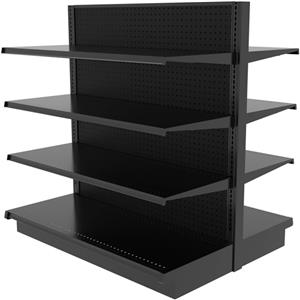
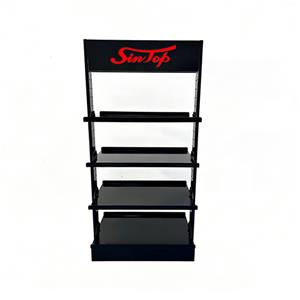
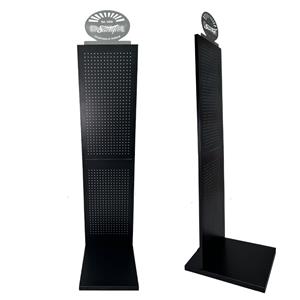
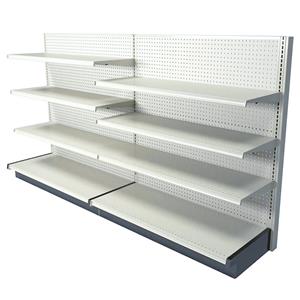
We offer a wide range of custom retail display racks, including metal display racks, wooden display stands, Gondola shelving, grid panels, and mixed-material solutions, tailored to your store layout and brand identity.
2. Can I order a single unit or prototype?
Yes, no minimum order is required. We can produce prototypes or single units as well as large-volume orders.
3. How long does it take to receive an order?
New items: 3–5 weeks for tooling and production.
Reorders: 2–4 weeks depending on product type.
We are flexible and strive to meet your required delivery dates.
4. Can Sintop handle OEM or ODM projects?
Yes, we specialize in OEM and ODM solutions, turning your ideas or drawings into custom, high-quality display racks.
5. How does Sintop ensure quality?
Every display rack undergoes material inspection, welding and structural checks, surface finish testing, and final assembly inspection to ensure durability, safety, and visual appeal.