

Why US Retailers Are Betting on Electronic Shelf Labels
As many US economists expect AI to continue supporting productivity growth, retail operators are moving faster toward automation at store level. For intermediaries, electronic shelf label, digital shelf labels, electronic price tags, digital price tags, shelf labels are no longer experimental tools. They are operational products tied to labor cost control, pricing speed, and margin stability.
From a sourcing perspective, electronic shelf label projects demand more than competitive pricing. Material selection, inspection control, shipping execution, and reliable China supplier coordination all shape whether digital shelf labels can be scaled safely in the US market.
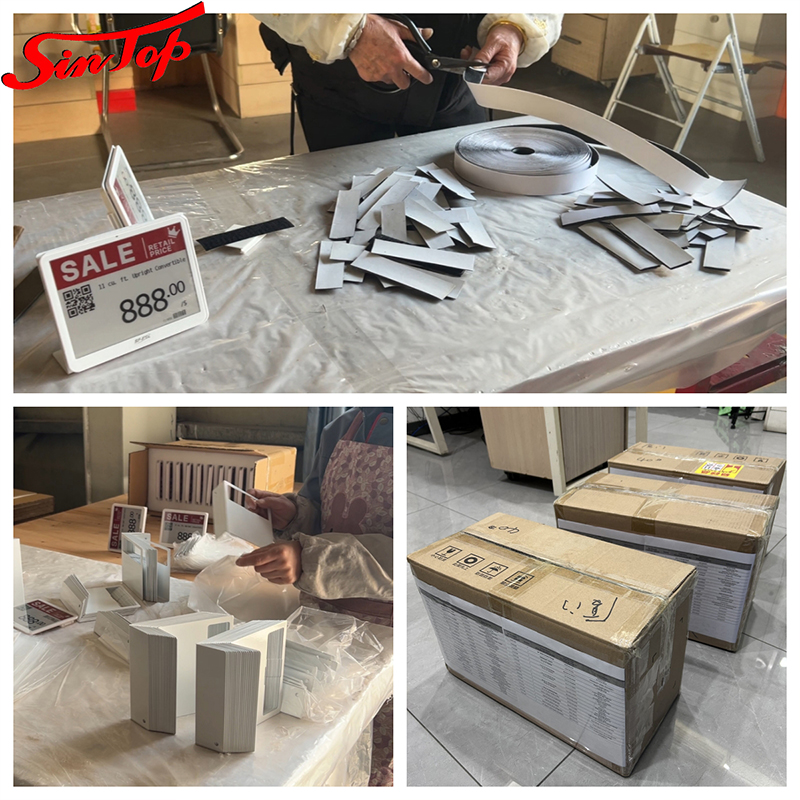
AI-Driven Retail Efficiency Is Fueling Demand for electronic shelf label
In the US, labor shortages and frequent price changes push retailers toward electronic shelf label adoption. When AI pricing systems connect directly with digital shelf labels, price updates shift from manual work to automated execution.
For intermediaries, electronic price tags and digital price tags are attractive because they create repeat orders and long-term contracts. Compared with paper shelf labels, electronic solutions lock retailers into structured systems, which strengthens distributor value and customer retention.
Material Choices Matter More Than Most Buyers Expect
From an intermediary standpoint, electronic shelf label quality begins with materials. Many digital shelf labels look similar, but housing materials make a real difference during long-term use. ABS and PC casings perform differently under store lighting, heat, and daily handling.
Screen quality is another priority. electronic price tags rely on e-ink displays, yet refresh stability and contrast vary by supplier. Poor material decisions lead to ghosting or dead pixels, which quickly turns digital price tags into a service issue rather than a profit product. Reliable shelf labels must be built for years, not months.
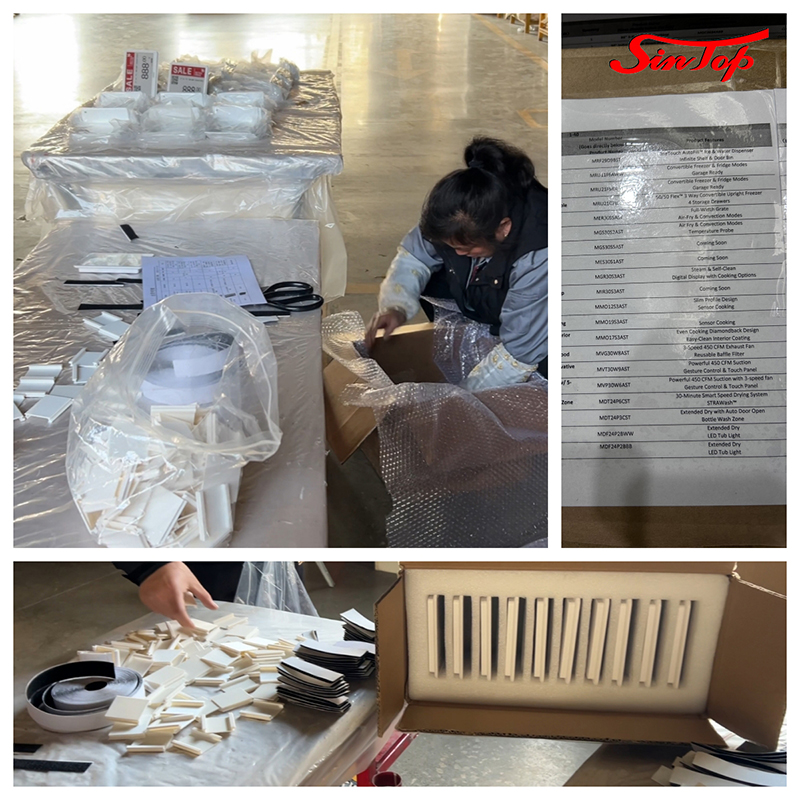
Inspection Is the Biggest Risk Point for electronic price tags
Unlike metal fixtures, electronic price tags cannot rely on visual inspection alone. Intermediaries must treat digital price tags as both hardware and system devices.
Effective inspection for electronic shelf label projects usually includes:
Function testing before packing
Random screen activation checks
Battery performance sampling
If these steps are skipped, US intermediaries often face claims after delivery. For shelf labels, prevention is far cheaper than replacement.
Shipping and Packaging Are Critical for shelf labels
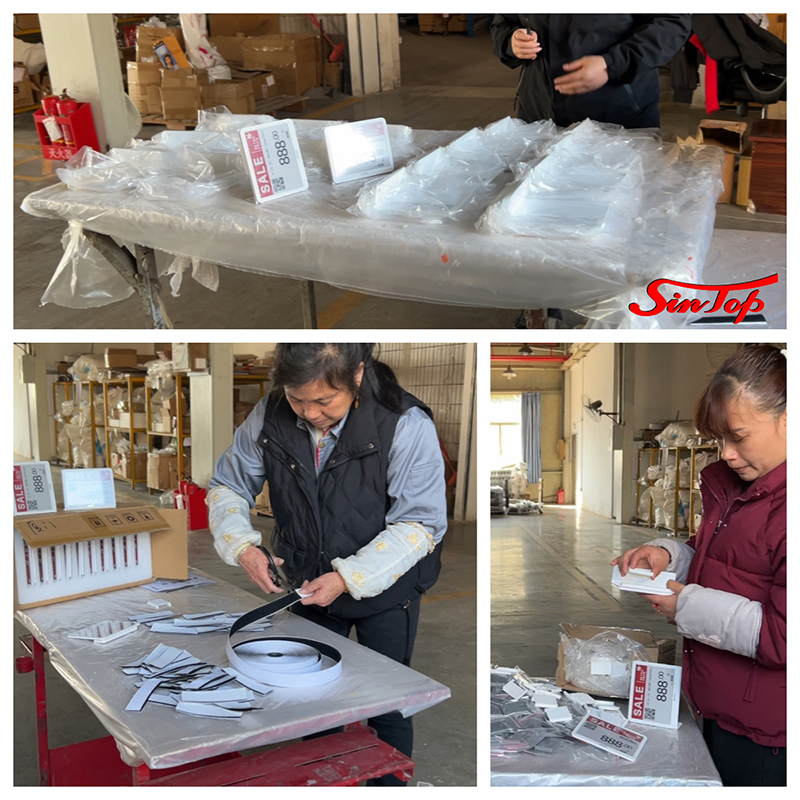
Many intermediaries underestimate shipping risk when handling shelf labels. electronic shelf label products are sensitive to pressure, vibration, and static electricity. Standard fixture packaging is not suitable for electronic price tags.
Export-ready digital shelf labels should use anti-static bags, inner cushioning, and clear SKU separation. US warehouse operations benefit when digital price tags are packed by store or zone. This reduces labor time and speeds up deployment for shelf labels in the field.
Working With China Suppliers the Right Way
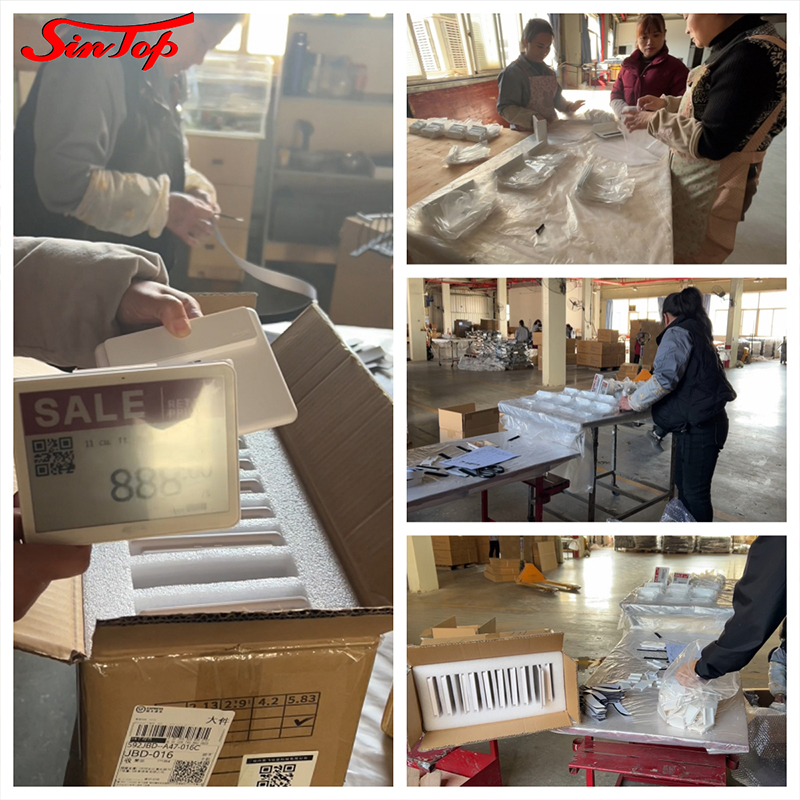
China remains the core manufacturing base for electronic shelf label, but supplier selection determines success. From an intermediary view, a qualified partner understands more than production. They understand testing cycles, export packaging, and US compliance expectations.
Strong suppliers support pilot orders, documentation, and communication during rollout. Without this cooperation, digital shelf labels projects slow down, and electronic price tags become difficult to scale. Long-term shelf labels programs depend on stable supplier alignment.
FAQ:
Q1: Are electronic shelf label systems suitable for all retail formats?
A: electronic shelf label works best for chain stores, grocery, pharmacy, and electronics retailers.
Q2: How long do digital shelf labels typically last?
A: Most digital shelf labels operate 3–5 years depending on update frequency.
Q3: Do electronic price tags require frequent maintenance?
A: Well-built electronic price tags require minimal maintenance when properly tested.
Q4: Are digital price tags tied to specific software systems?
A: Yes. digital price tags must match the retailer’s backend system from day one.
Q5: Can shelf labels be customized in size or layout?
A: Most shelf labels support customization, though lead time should be confirmed early.
Final Thoughts
As AI continues shaping retail operations, electronic shelf label, digital shelf labels, electronic price tags, digital price tags, shelf labels are becoming infrastructure rather than accessories. Intermediaries who focus on material quality, inspection discipline, logistics planning, and strong China supplier coordination are better positioned to grow safely in the US market.
Sintop Value
At Sintop, we understand the importance of reliable display solutions in AI-driven retail. Our Electronic Shelf Label and Digital Shelf Label production prioritizes material quality, rigorous inspection, and export-ready packaging. Working closely with intermediaries, we ensure fast, safe, and scalable deployment, enabling retailers to automate pricing while maintaining operational excellence.

Contact information
Website: www.sintopfixtures.com
Wechat/WhatsApp: +86 15980885084
Email: elly@xm-sintop.com
FAQ
1. What are store fixtures?
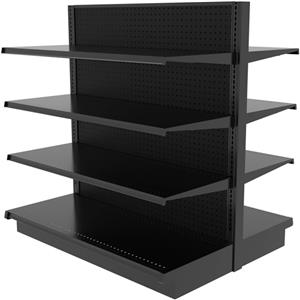
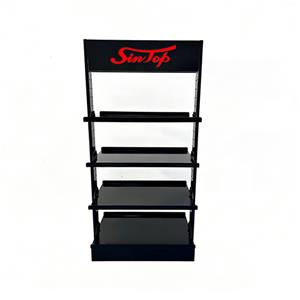
Store fixtures are essential equipment and furniture used in retail spaces to display, organize, and store merchandise. Examples include shelving units, racks, display cases, counters, and hooks.
2. Why are store fixtures important?
Store fixtures enhance the shopping experience by organizing products, improving accessibility, maximizing space, and creating appealing displays that attract customers and boost sales.
3. What types of store fixtures are commonly used?
Common types of store fixtures include:
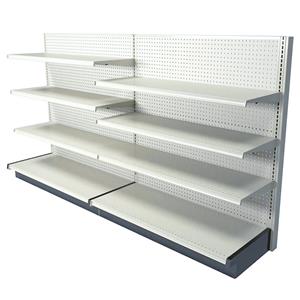
Shelving Units(wall shelves, free-standing shelves, adjustable shelving)
Display Cases (glass cases, countertop cases)
Racks (clothing racks, display racks)
Counters (checkout counters, service counters)
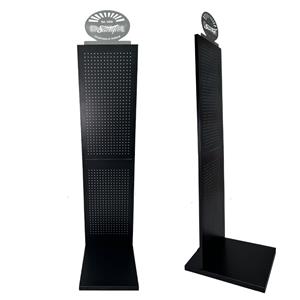
Hooks and Pegboards
End Caps
Signage and Graphics
Mannequins
4. How do I choose the right store fixtures for my retail space?
Consider your merchandise type, store layout, and branding needs. Fixtures should be functional, complement your store's design, and fit within your budget. Evaluate your space to determine the best fixture types and configurations for optimal product presentation and customer flow.
5. Can store fixtures be customized?
Yes, many store fixtures can be customized to align with your store's branding and specific needs. Customization options include materials, colors, sizes, and designs. Collaborating with a fixture supplier or designer can help create fixtures that match your store’s style and functional requirements.
6. How can I maximize space with store fixtures?
Utilize fixtures that optimize vertical space, such as wall-mounted shelves and tall display racks. Modular and adjustable fixtures can adapt to changing merchandise or store layouts. Plan your store layout carefully to ensure efficient use of space and smooth customer flow.
7. How do I maintain store fixtures?
Regularly clean and inspect fixtures to ensure they remain in good condition. Check for wear and tear, and repair or replace damaged parts. Follow manufacturer guidelines for maintenance and cleaning to extend the lifespan of your fixtures.
8. Can store fixtures be used for different types of retail stores?
Yes, store fixtures can be adapted for various retail environments, including clothing stores, electronics shops, grocery stores, and more. The choice of fixtures depends on the specific needs and merchandise of the store.
9. How can store fixtures improve the customer experience?
Well-designed fixtures make products easy to find and browse, enhancing the overall shopping experience. Effective use of fixtures creates an organized, aesthetically pleasing environment that encourages customers to spend more time in the store.
10. Where can I purchase store fixtures?
Store fixtures can be purchased from specialized fixture suppliers, retail equipment stores, or custom fixture manufacturers. Online retailers and local suppliers also offer a wide range of options.