

Combining Shelving with Electronic Shelf Labels in AI Retail
As American technology companies continue increasing their investment in artificial intelligence, the retail sector is also rethinking store efficiency and price management. More retailers are integrating electronic shelf tags, eInk shelf labels, led shelf price tags, nfc electronic shelf labels, electronic shelf label system with traditional store shelving to create a faster and more efficient pricing environment. With the help of AI-assisted management, store staff can update electronic shelf tags with one click, greatly reducing manual labor. At the same time, the electronic shelf label system can synchronize product data automatically. For distributors and intermediaries, understanding how eInk shelf labels, led shelf price tags, and nfc electronic shelf labels work with store fixtures is becoming an important factor when working with manufacturers such as Sintop factory.
AI Is Changing Retail Price Management
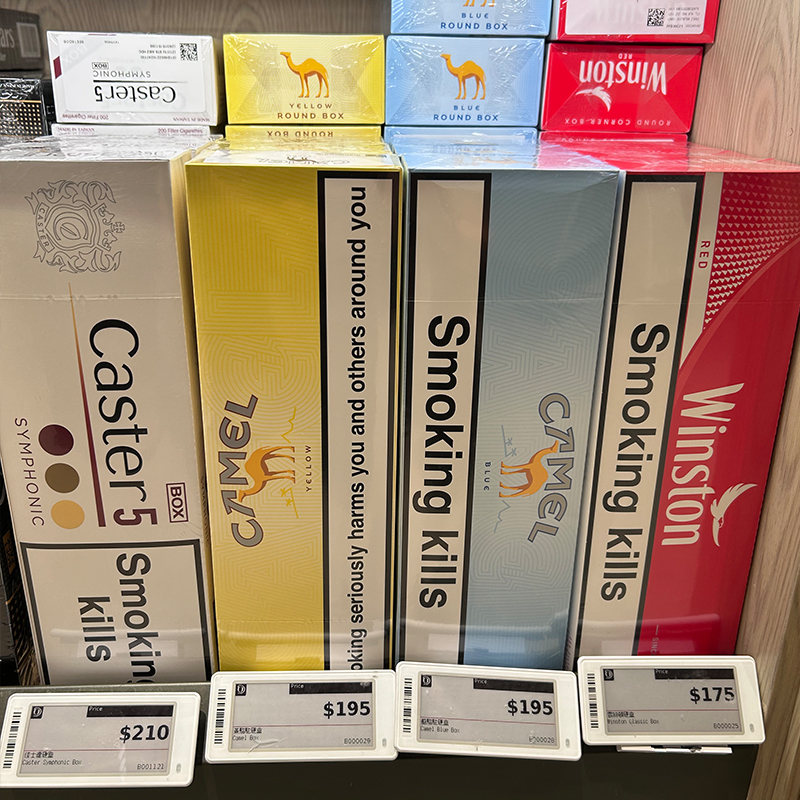
With technology companies in the United States continuing to invest in AI, the retail industry is also moving toward digital price management. Traditional paper labels require store employees to replace tags manually. In contrast, an electronic shelf label system allows store operators to update thousands of electronic shelf tags instantly from a central control system.
When electronic shelf tags work with AI-driven software, stores can adjust prices based on sales data and inventory levels. Through the control platform, eInk shelf labels can update product information in seconds. For promotional displays, led shelf price tags can highlight specific products with light signals. In premium retail environments, nfc electronic shelf labels allow customers to scan the electronic shelf tags using their smartphones to read product information.
Many intermediaries recommend combining electronic shelf tags with existing shelving systems. This method allows retailers to keep their original layout while upgrading to a digital electronic shelf label system.
How Traditional Shelves Work with Electronic Shelf Labels
In most retail environments, the structure of the shelving determines how an electronic shelf label system is installed. A common method is using rail structures installed along the front of the shelf to hold electronic shelf tags.
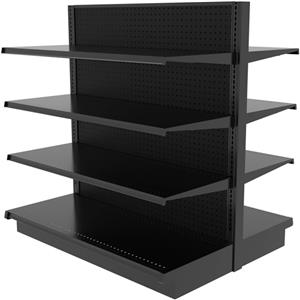
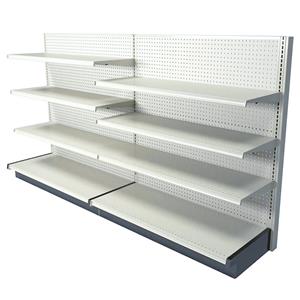
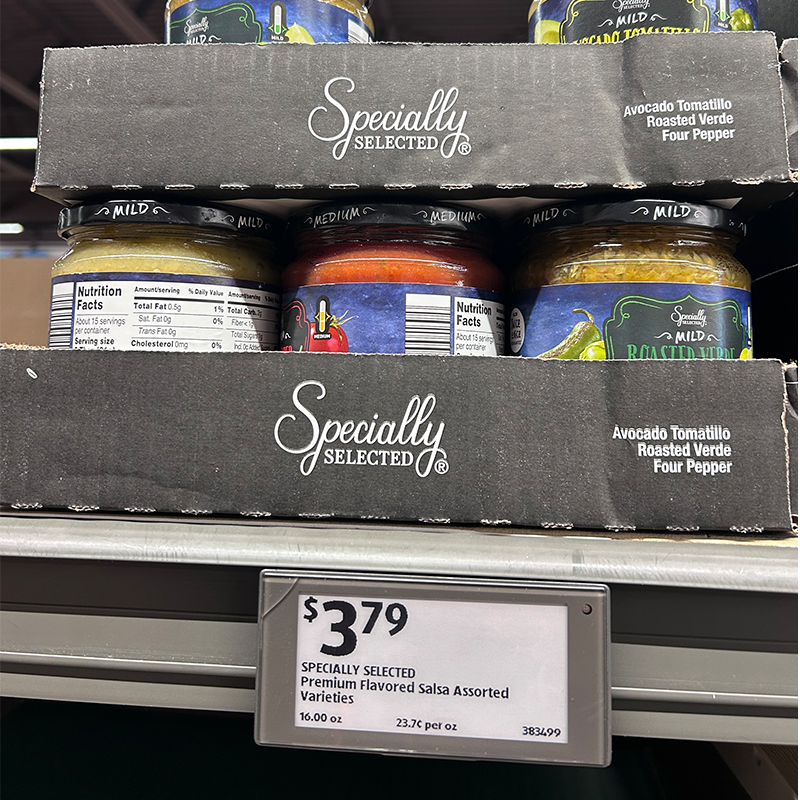
For large supermarkets, eInk shelf labels are often mounted along the front edge of metal shelving or wooden shelving. This ensures visibility and stable placement. Promotional sections sometimes use led shelf price tags to attract attention.
Some modern stores adopt nfc electronic shelf labels. Customers can simply tap their phone near the electronic shelf tags to access product details, reducing the need for staff assistance.
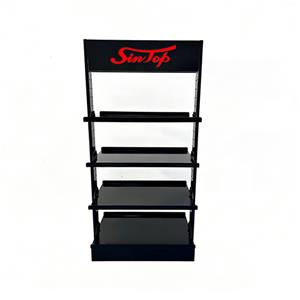
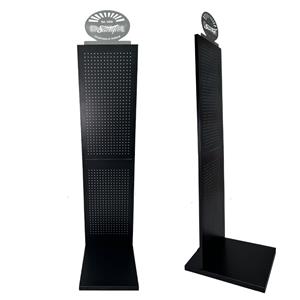
Experienced manufacturers such as Sintop factory usually design shelving structures that already allow installation of electronic shelf label system components, making the installation of electronic shelf tags simple and efficient.
Material Choices That Matter to Distributors
Material selection is one of the most common questions intermediaries ask when sourcing store fixtures that support electronic shelf tags.
Typical shelf materials include:
Metal shelving
Metal structures are highly durable and ideal for installing eInk shelf labels and led shelf price tags. The structure also supports the long-term stability of the electronic shelf label system.
Wood shelving
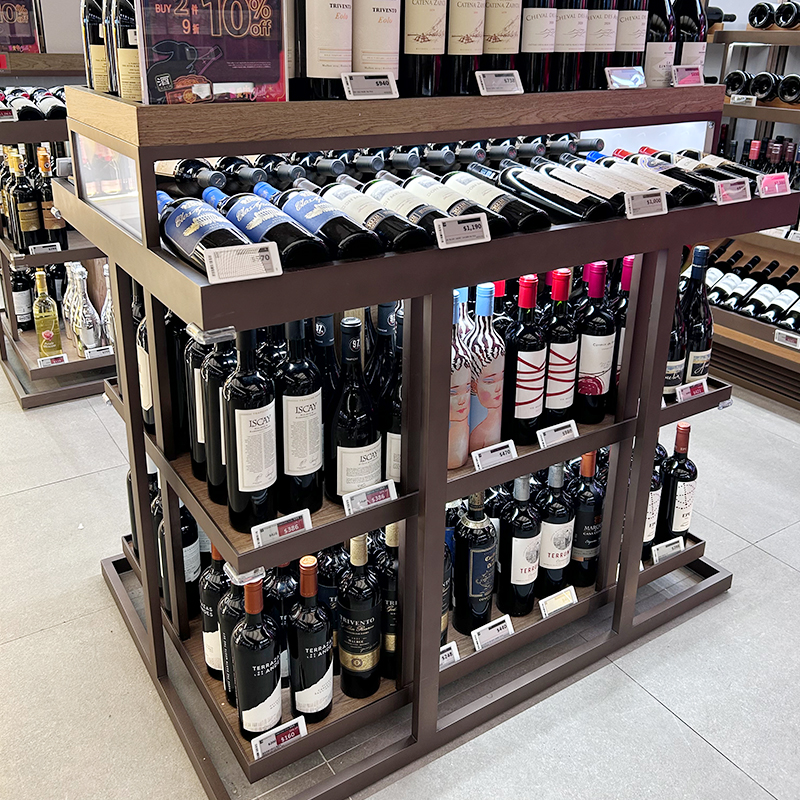
Some boutique stores use wooden fixtures together with electronic shelf tags. This type of display focuses more on brand image, though the installation space must be planned in advance.
Mixed material shelving
Many retail chains prefer mixed structures combining metal frames with decorative panels. This allows the installation of nfc electronic shelf labels while maintaining a stylish store design.
Experienced manufacturers like Sintop factory often provide several fixture options that allow distributors to integrate electronic shelf label system solutions into store layouts.
Quality Inspection Challenges in Global Sourcing
For intermediaries working with Chinese suppliers, quality inspection is a key concern, especially when orders include both shelving fixtures and electronic shelf tags integration components.
Common inspection steps include:
Mid-production inspection
Ensuring shelf dimensions match the requirements of the electronic shelf label system.
Assembly testing
Testing installation compatibility between eInk shelf labels and electronic shelf tags.
Packaging inspection
Confirming that led shelf price tags and nfc electronic shelf labels are safely packed for international shipping.
Manufacturers such as Sintop factory usually provide a structured inspection process so distributors can reduce risks when launching electronic shelf label system projects.
Logistics and Working with Chinese Suppliers
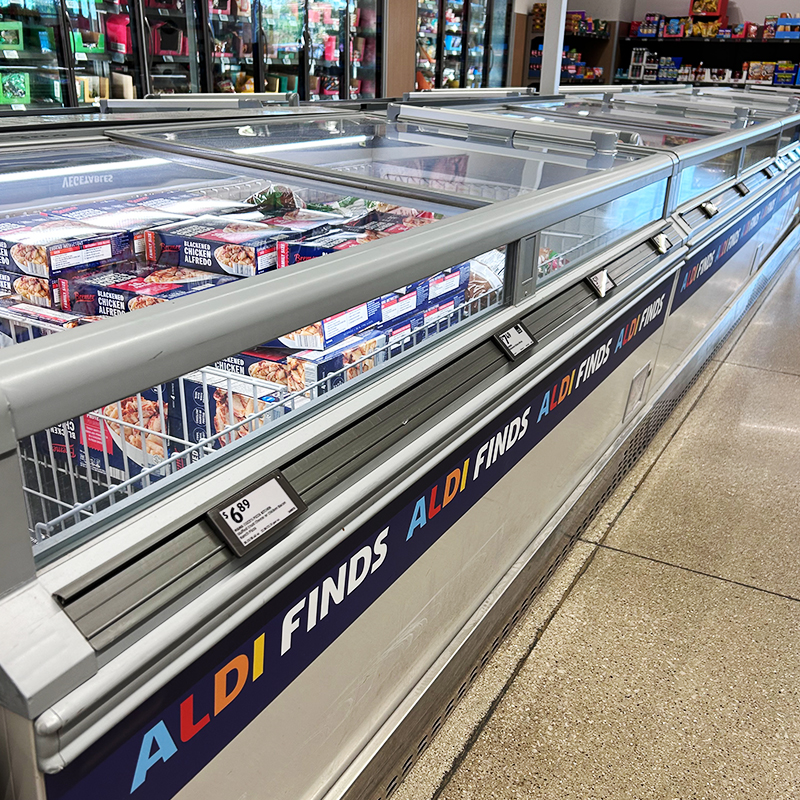
Logistics planning is another important factor for electronic shelf tags projects. Shelving fixtures and electronic shelf label system components are often shipped together, so packaging must protect both parts during international transport.
A typical supply process includes:
Factory testing of electronic shelf tags installation compatibility
Packaging of eInk shelf labels together with shelving components
Container shipping to Europe or North America
On-site installation of led shelf price tags and nfc electronic shelf labels
Through long-term manufacturing experience, Sintop factory helps distributors manage logistics coordination and ensures smooth deployment of electronic shelf label system projects.
FAQ
Q1: Is it difficult to install an Electronic Shelf Label system?
A: If shelving is designed with installation space prepared in advance, installing electronic shelf tags and the electronic shelf label system becomes very simple.
Q2: What is the difference between eInk shelf labels and LED price tags?
A: eInk shelf labels are ideal for long-term price display with very low power consumption, while led shelf price tags are effective for promotional alerts.
Q3: Which stores should use NFC shelf labels?
A: nfc electronic shelf labels are suitable for technology retailers or premium stores where customers can access product details by tapping the electronic shelf tags with their phones.
Q4: How can intermediaries reduce sourcing risks?
A: Work with experienced manufacturers such as Sintop factory, and test the compatibility between electronic shelf tags and the electronic shelf label system during production.
As AI becomes a major focus in global investment, retail digitalization is accelerating. By combining traditional shelving with electronic shelf tags, eInk shelf labels, led shelf price tags, nfc electronic shelf labels, electronic shelf label system, retailers can update pricing instantly and improve operational efficiency. For distributors and sourcing agents, understanding materials, inspection procedures, and logistics will play an important role in building successful retail technology projects.

Contact information
Website: www.sintopfixtures.com
Wechat/WhatsApp: +86 15980885084
Email: elly@xm-sintop.com

FAQ
1. What types of display racks can Sintop provide?
We offer a wide range of custom retail display racks, including metal display racks, wooden display stands, Gondola shelving, grid panels, and mixed-material solutions, tailored to your store layout and brand identity.
2. Can I order a single unit or prototype?
Yes, no minimum order is required. We can produce prototypes or single units as well as large-volume orders.
3. How long does it take to receive an order?
New items: 3–5 weeks for tooling and production.
Reorders: 2–4 weeks depending on product type.
We are flexible and strive to meet your required delivery dates.
4. Can Sintop handle OEM or ODM projects?
Yes, we specialize in OEM and ODM solutions, turning your ideas or drawings into custom, high-quality display racks.
5. How does Sintop ensure quality?
Every display rack undergoes material inspection, welding and structural checks, surface finish testing, and final assembly inspection to ensure durability, safety, and visual appeal.