

How Should Retailers Choose During the US Economic "Buffer" Phase?
The US economy is currently in a delicate "buffer" phase: following the recent interest rate cut, growth expectations have moderated, and the labor market is signaling a less tight stance. In this unique period of "lukewarm" growth, neither rapid nor stalled, retailers are adopting more cautious and pragmatic strategies than ever before. For every brick-and-mortar store, the hardware supporting the entire shopping space—Retail display shelves, Gondola shelving units, Store fixture solutions, Commercial display racks, and Shop display stands—is undergoing a role transformation: they are no longer merely decorative "image projects," but rather "survival infrastructure" for controlling costs, stabilizing sales, and improving operational efficiency. This article will explore how to build a solid operational foundation for your store through wise hardware selection during this period of uncertainty.
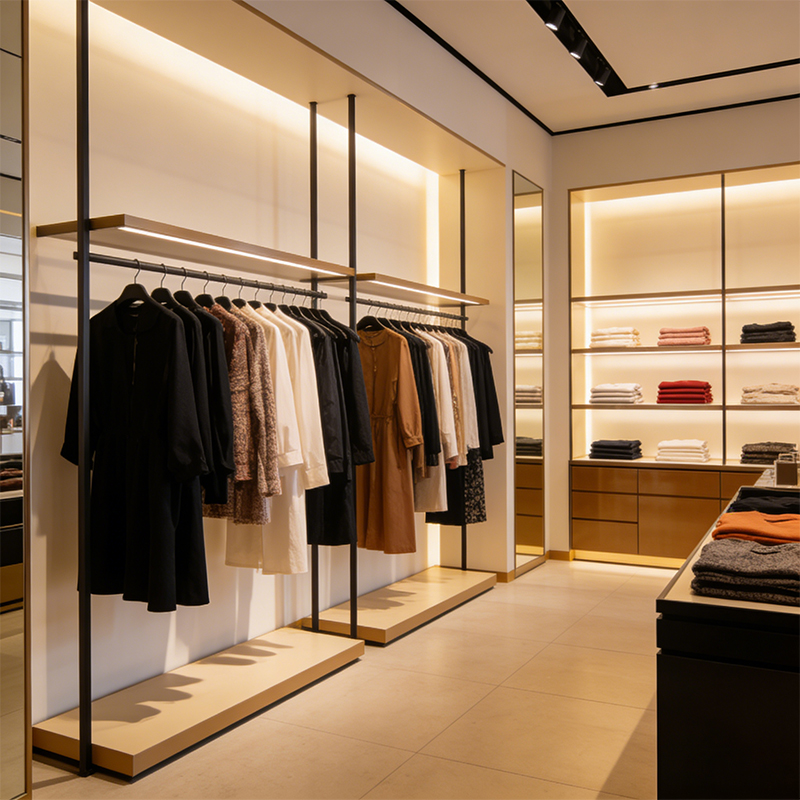
Economic Slowdown, But Not a Complete Shutdown: "Steady Operations" Become the New Focus
As the economy enters a buffer period, savvy retailers are no longer keen on telling aggressive expansion stories, but instead are focusing all their attention on making existing store operations more robust and resilient. In the North American market, we've observed an interesting phenomenon: while demand for updated retail display shelves is indeed rebounding, this time the key words are no longer "cool," but rather "durable" and "versatile."
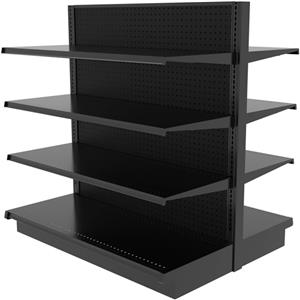
Standardized Gondola shelving units (those large, double-sided, flexible units) are highly sought after for their excellent adaptability. They can support rapid switching between different product categories like Transformers, becoming a "safety net" in an uncertain environment. A mature set of store fixture solutions helps stores maintain basic display order and a professional image even in high-traffic environments. Meanwhile, robust, high-quality commercial display racks quietly save store owners time and money by reducing malfunctions and maintenance frequency. For budget-conscious small stores, flexible and easily adjustable shop display stands are a powerful tool for managing seasonal sales fluctuations or temporary promotions—a low-investment, high-return solution.
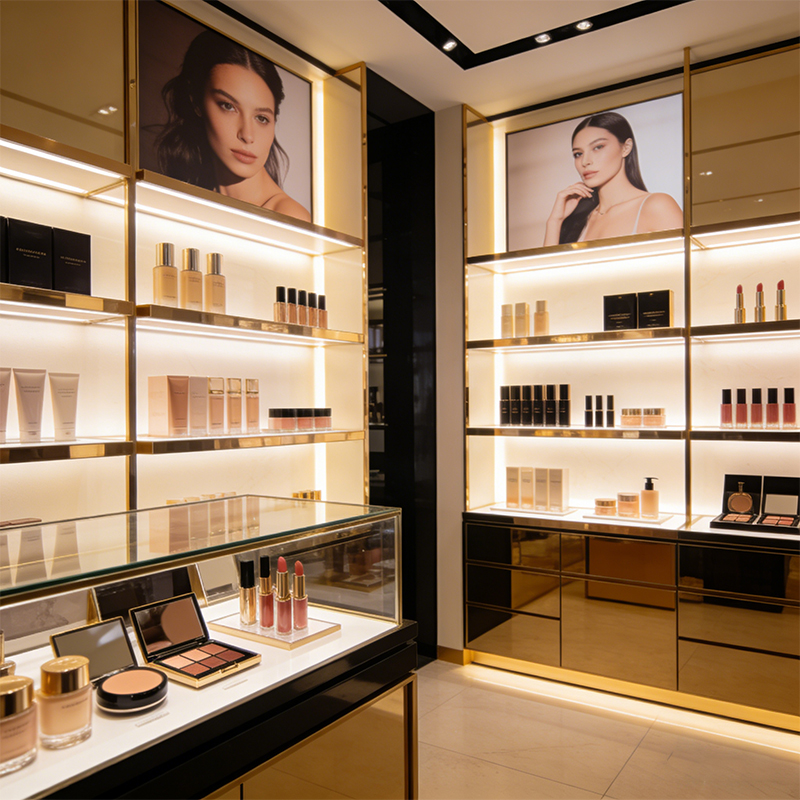
The "bending" of the labor market highlights the value of intelligent display systems. A less strained labor market presents a real challenge: higher employee turnover and shorter training periods for new employees. In this context, the value of an easy-to-use and manage display system is amplified.
Well-designed and logically structured retail display shelves allow new employees to quickly grasp display rules, much like reading an instruction manual. Modular Gondola shelving units significantly reduce the technical and physical barriers to adjusting shelf layouts. A well-thought-out set of store fixture solutions reduces the possibility of human error through standardized processes. In our projects, we've found that stores using standardized commercial display racks significantly reduce their reliance on specific skilled employees for daily operations. Meanwhile, independently functional shop display stands make setting up and adjusting promotions exceptionally straightforward, requiring almost no additional training.
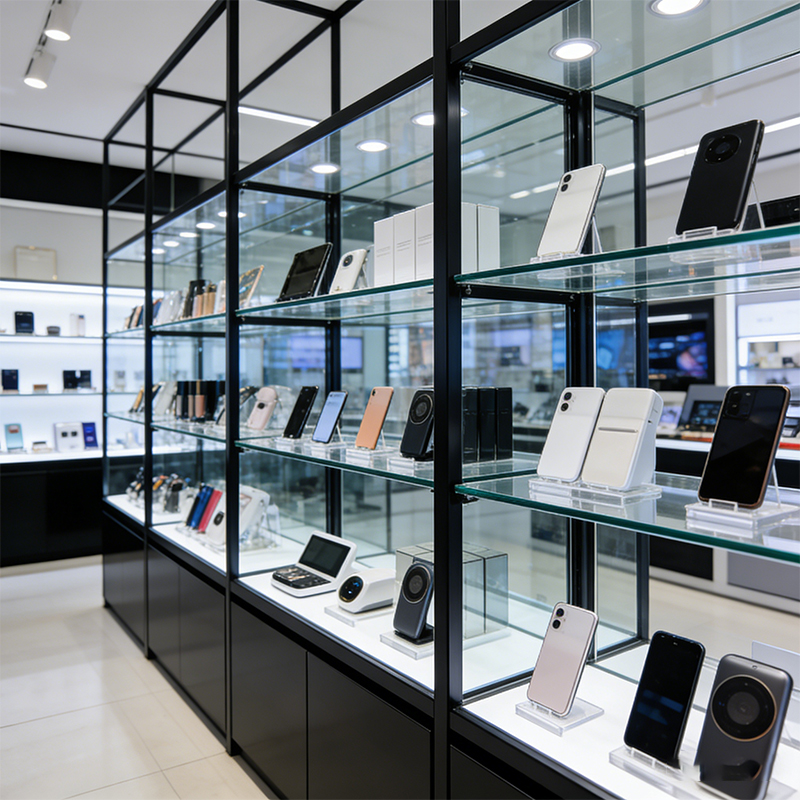
Changes from a Factory Perspective: A Shift Towards Pragmatism in Customer Decision-Making
As a display rack manufacturer, we directly observe the shifts in decision-making logic brought about by changes in the economic environment through customer inquiries and orders. Today, the thinking behind everyone's purchasing lists is as follows:
For retail display shelves, the focus is more on their total lifecycle cost of use, rather than just the unit price.
When choosing Gondola shelving units, structural versatility and standardized components have become rigid requirements to ensure future scalability and compatibility.
Consulting on store fixture solutions focuses more on overall store planning and systemic efficiency improvements, rather than purchasing isolated, aesthetically pleasing items.
The procurement of commercial display racks prioritizes structural stability and operational safety.
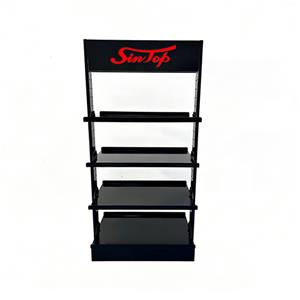
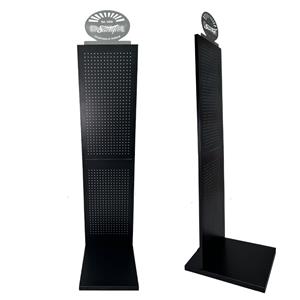
Shop display stands, on the other hand, are strongly required to possess high flexibility and rapid deployment capabilities.
These changing demands clearly reflect retailers' urgent pursuit of "controllability" and "certainty" in an uncertain environment. While aesthetics are important, stability and practicality have taken center stage.
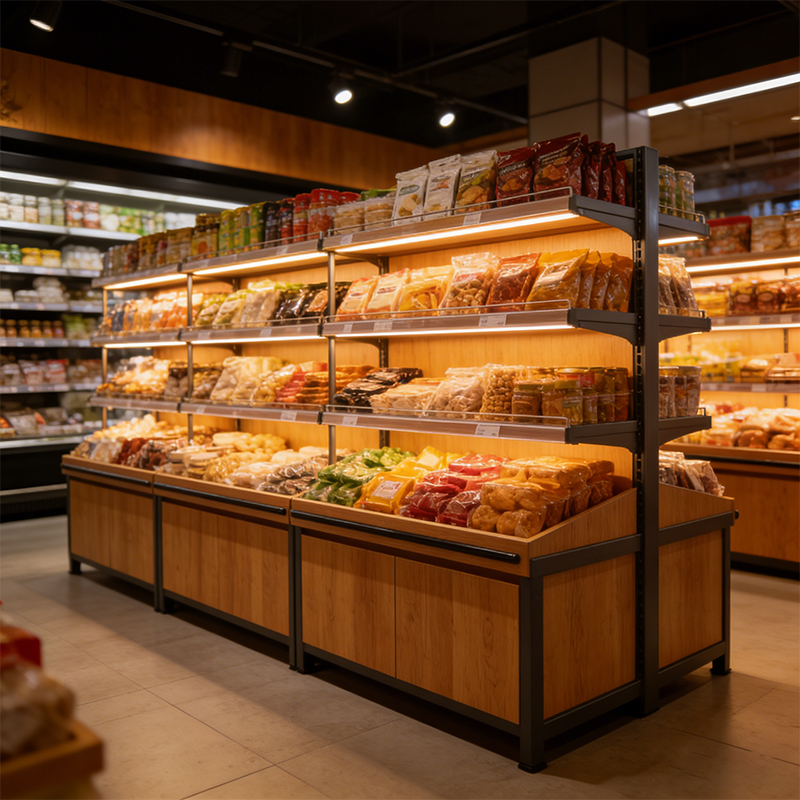
During the buffer period: Let the display system act as a "sales stabilizer"
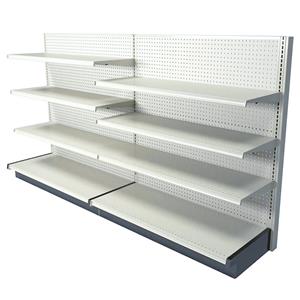
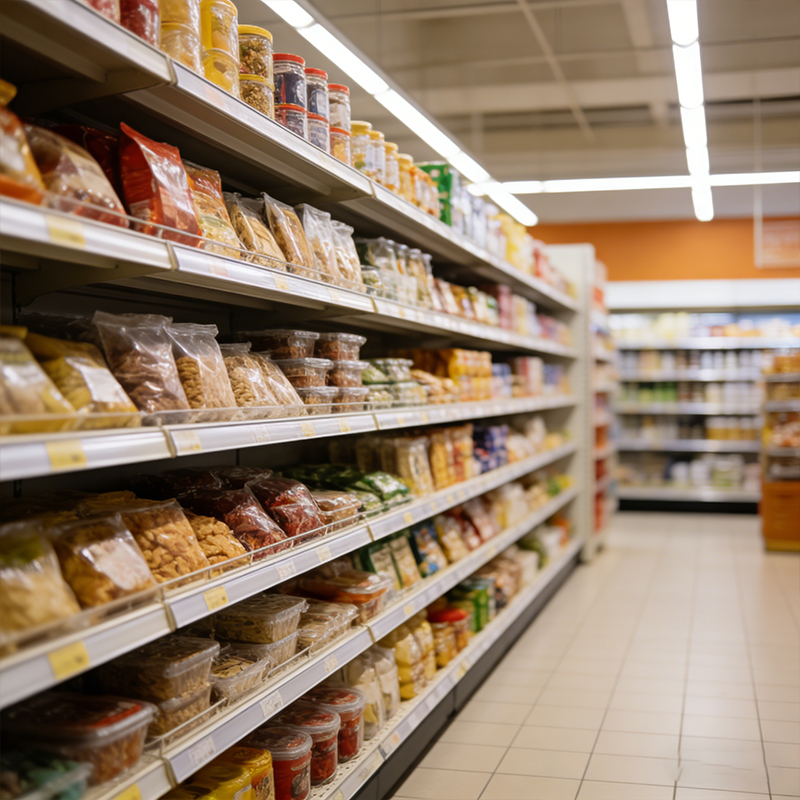
When consumer confidence has not fully recovered and shopping behavior becomes more cautious, the core objective of in-store display shifts to "reducing customer churn" and "promoting decisive purchases." Clear, easy-to-navigate retail display shelves help customers quickly locate the products they need, reducing instances of abandoning shopping due to difficulty finding items. Continuous, smoothly arranged gondola shelving units maintain a comfortable shopping flow, guiding customers deeper into the store.
A systematic set of store fixture solutions ensures a unified and professional image from the entrance to the checkout, which subtly enhances consumer trust. Meanwhile, well-configured commercial display racks help maintain clear and stable inventory visibility management. Compact and flexible shop display stands, in addition to the main displays, provide strong supplementary exposure for core new products or short-term promotional activities. These configurations are crucial for maintaining basic sales vitality during the economic buffer period.
Practical Advice for Retailers: Building Certainty Amidst Instability
Based on our observations of the current US market situation, we offer the following actionable recommendations for retail partners to help you enhance store resilience with reasonable investments:
1. Prioritize Inspection and Reinforcement: First, conduct a comprehensive inspection of the stability and usability of retail display shelves in core sales areas, and update or reinforce them as necessary.
2. Standardize Main Aisles: Use standardized Gondola shelving units to uniformly plan and manage main customer flow aisles, improving space utilization and the shopping experience.
3. Adopt a Systemic Approach: Plan your store from a holistic store fixture solutions perspective, ensuring that all display units work in coordination, rather than operating independently.
4. Safety First: Ensure the absolute structural safety of all commercial display racks, especially those displaying heavier merchandise, to avoid safety hazards.
5. Reserve Flexible Space: Strategically allocate flexible space for shop display stands in your store layout to quickly respond to market changes.
These adjustments often don't require large-scale, disruptive investments, yet they can significantly improve a store's resilience to economic fluctuations and operational smoothness.
FAQ
Q1: Should all display rack upgrade plans be postponed during periods of economic instability?
A: Quite the opposite. Strategic investment in basic retail display shelves and core Gondola shelving units is a key measure to solidify the operational foundation and control long-term costs during uncertain times, and should be prioritized.
Q2: Store fixture solutions sound ambitious; are they suitable for small stores like ours?
A: Absolutely. The essence of store fixture solutions is a systematic planning approach. Even simplified versions tailored to small stores can help you utilize space more scientifically, unify your image, and improve efficiency; their value cannot be underestimated.
Q3: Which product categories are commercial display racks typically best suited for? A: Commercial display racks, due to their sturdiness and durability, are particularly suitable for displaying high-turnover items (such as promotional items), heavier items (such as boxed drinks and hardware tools), or items requiring prominent display (such as clothing and footwear).
Q4: Are shop display stands only for short-term promotions and then stored away?
A: Not at all. A well-designed and structurally sound shop display stands can be a permanent fixture in a store. They can be used to continuously display new products, featured items, or as part of a themed display; their flexibility and focus have long-term value.
Q5: In the current environment, how can the overall cost of store displays be effectively controlled?
A: Using standardized retail display shelves and Gondola shelving units with uniform specifications is key. This not only reduces the complexity and cost of initial procurement but also significantly reduces subsequent maintenance, parts replacement, and layout adjustments, thereby achieving effective control over total costs.

Sintop Value
During uncertain economic periods, strategic investment in retail display systems is crucial. Sintop’s durable and versatile retail display fixtures, Gondola shelving units, store fixture solutions, commercial display racks, and shop display stands provide long-term operational stability. By standardizing layouts and ensuring structural reliability, these solutions reduce maintenance, simplify staff training, and enhance customer flow. The modularity and flexibility of our systems allow retailers to adapt quickly to changing product lines or promotional needs, making stores more resilient and efficient while strengthening brand image. Sintop’s display solutions act as silent sales stabilizers, ensuring smooth operations and maximizing ROI even in cautious economic conditions.

Contact information
Website: www.sintopfixtures.com
Wechat/WhatsApp: +86 15980885084
Email: elly@xm-sintop.com
FAQ
1. What are store fixtures?
Store fixtures are essential equipment and furniture used in retail spaces to display, organize, and store merchandise. Examples include shelving units, racks, display cases, counters, and hooks.
2. Why are store fixtures important?
Store fixtures enhance the shopping experience by organizing products, improving accessibility, maximizing space, and creating appealing displays that attract customers and boost sales.
3. What types of store fixtures are commonly used?
Common types of store fixtures include:
Shelving Units(wall shelves, free-standing shelves, adjustable shelving)
Display Cases (glass cases, countertop cases)
Racks (clothing racks, display racks)
Counters (checkout counters, service counters)
Hooks and Pegboards
End Caps
Signage and Graphics
Mannequins
4. How do I choose the right store fixtures for my retail space?
Consider your merchandise type, store layout, and branding needs. Fixtures should be functional, complement your store's design, and fit within your budget. Evaluate your space to determine the best fixture types and configurations for optimal product presentation and customer flow.
5. Can store fixtures be customized?
Yes, many store fixtures can be customized to align with your store's branding and specific needs. Customization options include materials, colors, sizes, and designs. Collaborating with a fixture supplier or designer can help create fixtures that match your store’s style and functional requirements.
6. How can I maximize space with store fixtures?
Utilize fixtures that optimize vertical space, such as wall-mounted shelves and tall display racks. Modular and adjustable fixtures can adapt to changing merchandise or store layouts. Plan your store layout carefully to ensure efficient use of space and smooth customer flow.
7. How do I maintain store fixtures?
Regularly clean and inspect fixtures to ensure they remain in good condition. Check for wear and tear, and repair or replace damaged parts. Follow manufacturer guidelines for maintenance and cleaning to extend the lifespan of your fixtures.
8. Can store fixtures be used for different types of retail stores?
Yes, store fixtures can be adapted for various retail environments, including clothing stores, electronics shops, grocery stores, and more. The choice of fixtures depends on the specific needs and merchandise of the store.
9. How can store fixtures improve the customer experience?
Well-designed fixtures make products easy to find and browse, enhancing the overall shopping experience. Effective use of fixtures creates an organized, aesthetically pleasing environment that encourages customers to spend more time in the store.
10. Where can I purchase store fixtures?
Store fixtures can be purchased from specialized fixture suppliers, retail equipment stores, or custom fixture manufacturers. Online retailers and local suppliers also offer a wide range of options.