

How to Choose Wall Mounted Retail Shelving: A Buyer's Guide
Wall Fixture Buying in Retail: What Should a Skeptical Buyer Verify First?
Retail procurement teams usually reach a wall project through four different search aims, and each aim hides a different risk. A buyer researching wall mounted retail shelving wants to know how the wall itself will carry the load. Someone comparing a wood wall display is really asking how the visible surface is built and how it holds up in daily use. A team specifying metal wall shelving needs the bracket, rail and finish scope stated before ordering. A planner shopping for a retail wall display fixture is mapping merchandise zones, labels and replenishment routes. This guide answers those four questions directly instead of repeating the same phrases, and it treats public reports as context for a buying discussion rather than as proof that a wall system raises sales. Read the sections below as a working checklist a store can hand to a supplier, and treat each bold phrase as a real question to answer rather than a slogan to repeat. The aim is a scoped, verifiable order, not a page that merely echoes what a search box returned.


1. Wall Survey and Structural Reality
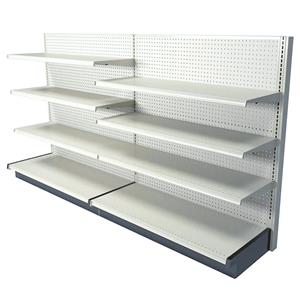
Before a single bracket is quoted, walk the wall. Record the substrate, stud or block spacing, existing backing, ceiling height, floor level and anything already bolted to the surface. Where a customer asks about wall mounted retail shelving the honest answer starts with the wall, not the shelf. A mounting rail spreads load better than isolated brackets, but only if it lands on real structure; drywall alone rarely carries a loaded retail bay without added backing.
Reach and route matter as much as strength. Measure how far a typical user must extend, how wide an aisle stays clear, and where a trolley or basket passes. Load distribution, fixing type and installation responsibility belong in the brief, and the party who installs should confirm the substrate in writing. Public retail reports can frame demand, yet they never confirm that a given wall performs under a stated load.
Write the survey into a short report that names the substrate, the fixing that suits it and the load each bay is expected to carry. If the store cannot confirm the wall, the honest move is to pause the order and inspect, not to guess. Where a rail needs blocking, decide who supplies it and who fits it, and keep that decision with the drawings so nobody assumes the wall is ready when it is not.
Compare wall systems by their fixing schedule rather than their photo, and ask each supplier to state the assumption behind any load figure. An assumption the store cannot meet is a risk on paper, not a specification to order against, and it belongs in the survey notes.
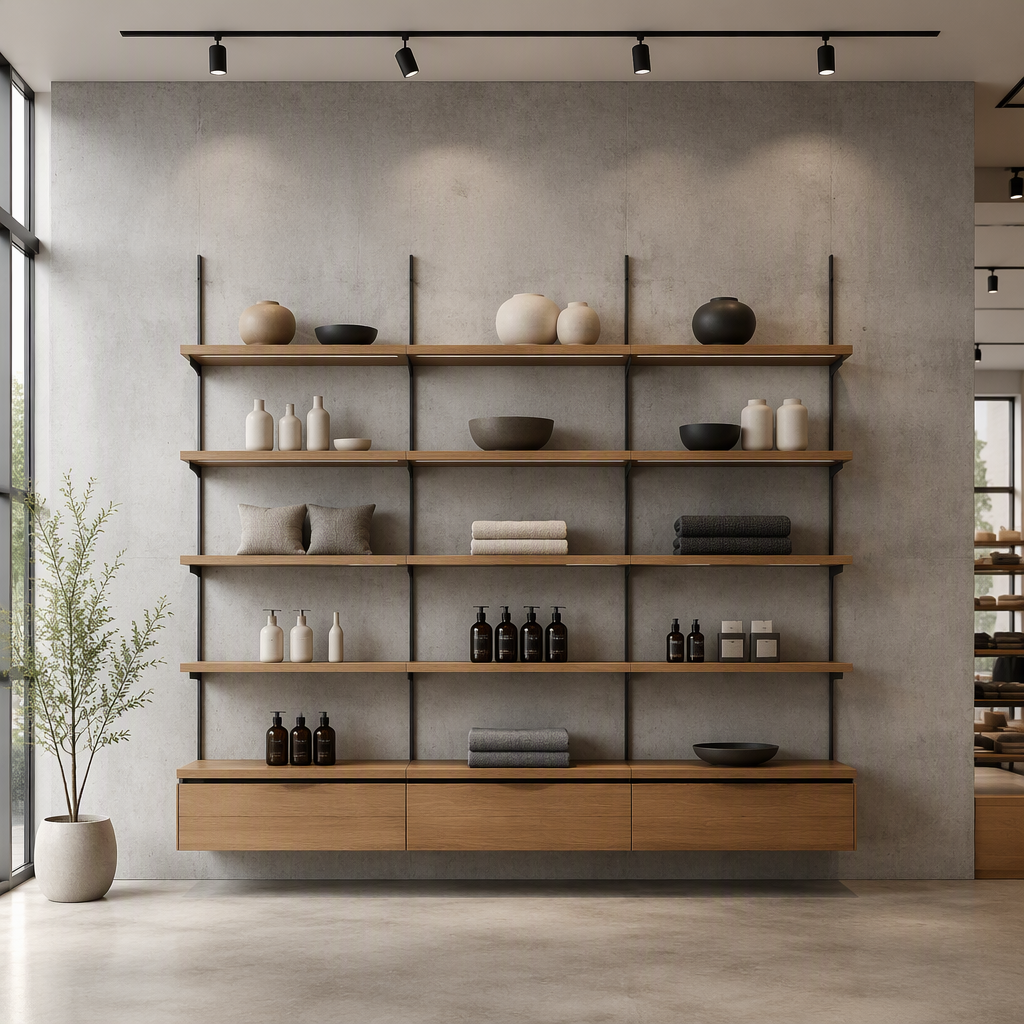
2. Construction and Surface Control for Timber Surfaces
A timber look is a construction decision before it is a style decision. Distinguish the structural backing that carries weight from the visible timber or veneer that people see and touch. For a wood wall display the buyer should approve a finish sample under the store's true lighting, because a swatch viewed in a meeting room often reads differently on the shop floor.
Plan edge protection, a cleaning routine and how products actually rest on the surface. Fixings and finish are separate scopes, and a replacement panel should match the approved finish so future repairs are not obvious. We do not describe wood as heatproof or weatherproof; that is a material claim the specification should carry, not the marketing copy.
Ask how the surface behaves where a heavy item rests for a long period, because a soft face and a hard face wear differently. Agree the touch-up material and the cleaning agent in advance, and record the finish code so a later repair does not read as a mismatch. If a project needs a different sheen, sample it again rather than assuming the earlier sample still holds.
A finish that looks rich in a catalogue can show every fingerprint in a busy aisle, so test a sample where the light and the traffic are real. Record which cleaner is approved, and keep enough spare surface material for a future repair.

3. Bracket, Rail and Fastener Scope
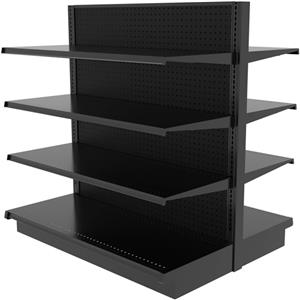
Metal is a material choice, not a performance promise. When a project specifies metal wall shelving the drawing set should state the bracket, the rail, weld inspection points, fastener type and the corrosion or coating scope. A finish suited to a dry interior differs from one expected near moisture, and the buyer should know which is being offered before the order is placed.
Confirm the leveling method, the actual substrate the wall presents, the load path from shelf to structure, and how a technician reaches the assembly for service. Metal should never be equated with strength on its own; the connection to the wall and the quality of the fixing decide how a bay behaves over time.
Ask which components sit near a wash-down or a damp corner and choose the coating scope to match. Request the fixing schedule and the tolerance for level, then confirm that a service visit can reach the bolts without dismantling a whole bay. A tidy drawing list here prevents a store from discovering a hidden gap after the shelves are loaded.
Where a store already owns brackets or rails, check that a new bay matches the existing pitch and fixing, or accept that the old and the new will not mix. Mixed hardware is a common source of a wall that will not sit level.
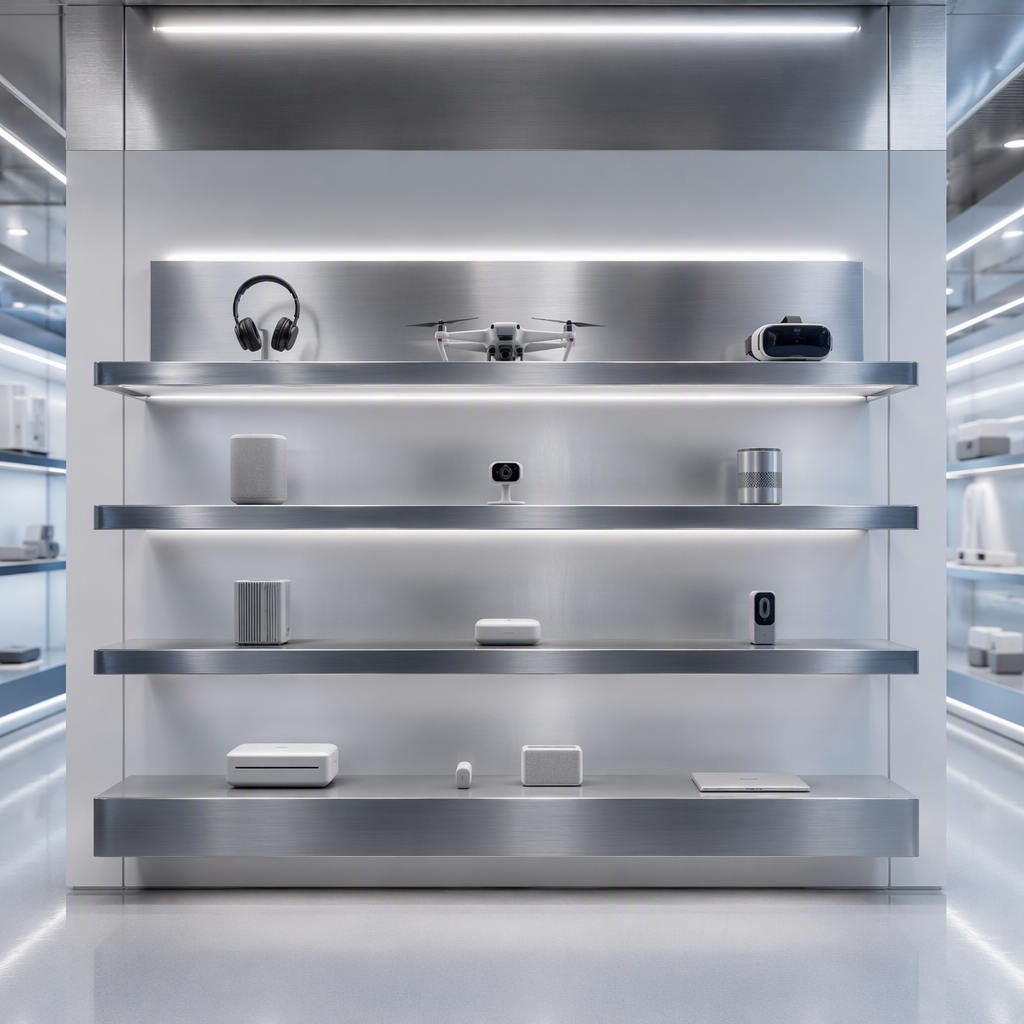
4. Merchandise, Labels and Replenishment Planning
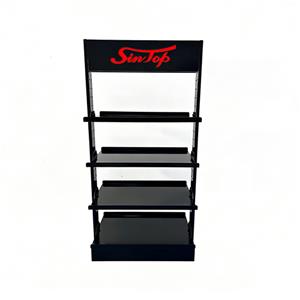
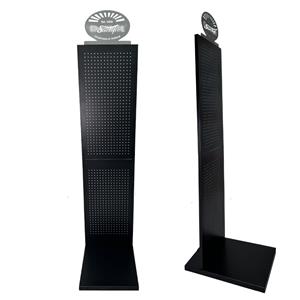
A fixture is only useful once it carries a plan. Map the brand or merchandise zone, the SKU mix, price labels and the replenishment route before fixing positions. For a retail wall display fixture the design should show where hooks, rails and shelves interface, how a changeover happens between seasons, and how a customer reaches and moves past the display.
Customer access and route are commercial decisions the store owns; the supplier provides hardware that matches the agreed plan. Nothing here is a sales or conversion forecast, and no fixture should be promised to lift revenue. The layout, the assortment and the pricing stay with the retailer.
Walk the intended route at a busy hour and check where the display asks a customer to stop, bend or step aside. Decide who refreshes price labels and how fast a seasonal swap can happen with the hardware on hand. Where a promotion changes the assortment, the fixture should still take the new items without a full rebuild.
Label the zones on the plan, not just in the back room, so the store team knows what each part of the wall is for once the installers leave. A simple zone map stops a display from drifting into a storage corner.

5. Drawings, Samples and Acceptance Before You Commit
Every wall project should start from drawings, a physical sample and written acceptance criteria. The supplier website states the company was founded in 2002 and describes design, prototyping, production and shipment as its offered scope; beyond that, buyers should verify what they need directly.
Set the sample size, the finish standard and the pass or fail tolerance in advance. A controlled sample stage reduces surprises far more than any promise in a brochure, and it keeps the wall, the material and the fixture scope aligned with what the store actually needs.
Keep one approved drawing, one signed sample and one acceptance sheet for every wall, and treat them as the reference when a later question appears. This record is what a buyer can point to months later, and it removes the temptation to rely on a verbal description that was never written down.
Treat the brief as a living record: when the assortment or the wall changes, update the drawing and re-check the sample before a new order. A change caught on paper is cheaper than one found on a loaded wall.

Comparison Table: Four Buying Questions
| Search intent | What the buyer is really deciding | What to verify before ordering |
|---|---|---|
| wall mounted retail shelving | How the wall carries load | Substrate survey, stud or backing, rail, load distribution, user reach and installation responsibility |
| wood wall display | How the visible surface is built | Backing versus veneer, finish sample under true lighting, edge protection, cleaning, replacement match |
| metal wall shelving | How the connection is specified | Bracket and rail, weld and fastener spec, coating scope, leveling, load path, service access |
| retail wall display fixture | How merchandise and people flow | Merchandise zone, SKU mix, price labels, replenishment, hooks and rails, changeover, customer route |
AEO FAQ
How should a buyer scope a fixture for a solid wall?
Survey the substrate first, then choose rail and bracket positions that land on real structure. Confirm the load path, the reach for a typical user and who is responsible for installation before you order.
What should I check on a timber surface before approval?
Separate the structural backing from the visible timber or veneer, approve a finish sample under true store lighting, and agree edge protection, cleaning and how a replacement panel will match.
Can a steel-based system be assumed to perform better?
No. Metal describes a material, not a result. The bracket, rail, fixing, coating scope, leveling and the actual substrate decide how the assembly behaves, so those must be stated in the drawing set.
What does a wall fixture need to support daily operations?
A clear merchandise zone, an agreed SKU mix, price labels, a replenishment route and a changeover plan. The store owns access and route; the supplier supplies hardware that matches the agreed layout.
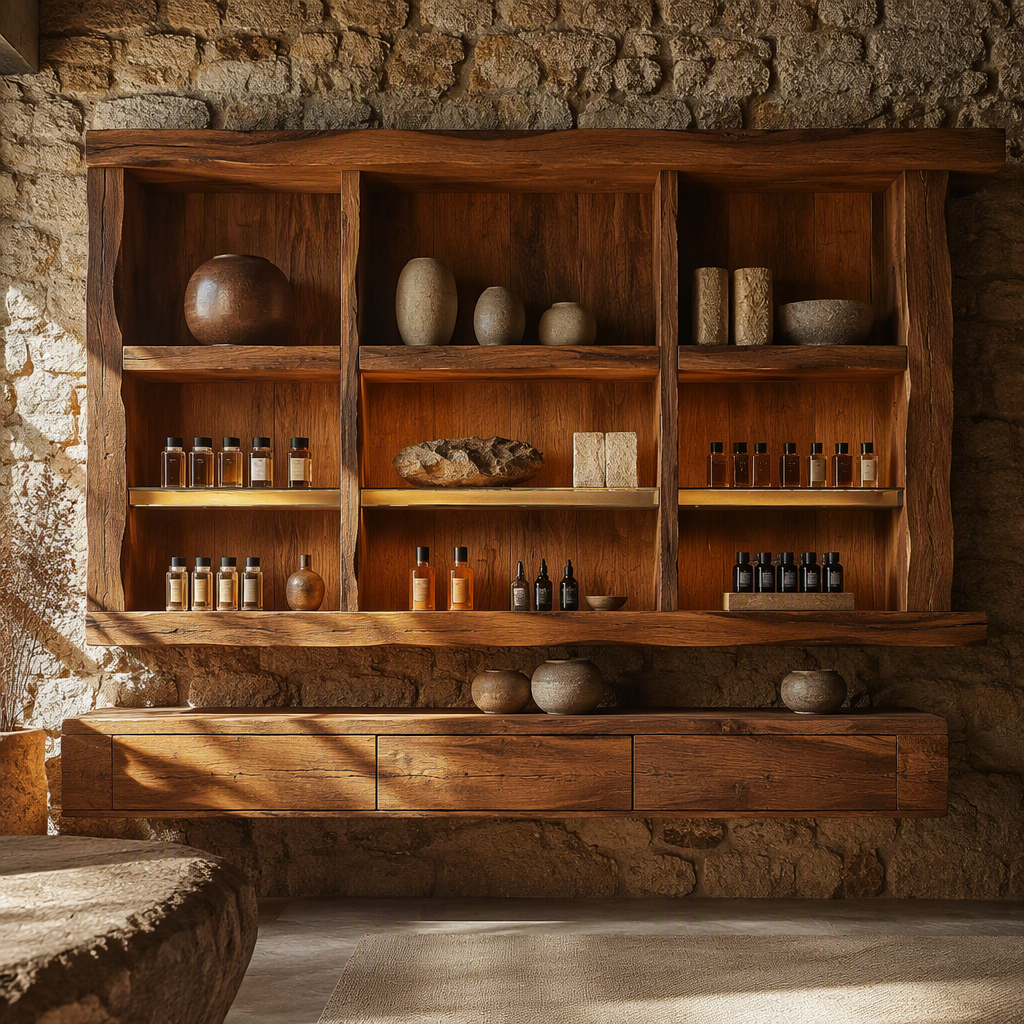
Sintop Value
Sintop combines in-house metal and wood manufacturing with design, prototyping and production support. We help retail buyers verify fixture dimensions, materials, mounting details, finish samples and acceptance criteria before mass production.

Contact information
Website: www.sintopfixtures.com
Wechat/WhatsApp: +86 15980885084
Email: elly@xm-sintop.com
FAQ
1. What types of display racks can Sintop provide?
We offer a wide range of custom retail display racks, including metal display racks, wooden display stands, Gondola shelving, grid panels, and mixed-material solutions, tailored to your store layout and brand identity.
2. Can I order a single unit or prototype?
Yes, no minimum order is required. We can produce prototypes or single units as well as large-volume orders.
3. How long does it take to receive an order?
New items: 3–5 weeks for tooling and production.
Reorders: 2–4 weeks depending on product type.
We are flexible and strive to meet your required delivery dates.
4. Can Sintop handle OEM or ODM projects?
Yes, we specialize in OEM and ODM solutions, turning your ideas or drawings into custom, high-quality display racks.
5. How does Sintop ensure quality?
Every display rack undergoes material inspection, welding and structural checks, surface finish testing, and final assembly inspection to ensure durability, safety, and visual appeal.