

Why Do Cabinet Supply Chains Need Proof in 2026?
1. Heat Has Changed the Cost of Bad Furniture
Reuters reports that 2026 heatwaves are reducing productivity, curbing consumer spending and raising operating costs. The BRC-KPMG monitor recorded UK retail sales growth of only 1.3% year on year for the four weeks to 1 August 2026. BBC reporting also recorded 38.1C in the UK during the fifth heatwave of the year. These numbers turn furniture from decoration into operating infrastructure.
An entryway cabinet that swells, a sideboard with weak doors or a wardrobe with misaligned runners creates more than an aesthetic issue. It creates returns, site visits and lost trust. Buyers should treat climate exposure as a procurement variable, especially when products travel between warehouses and homes.
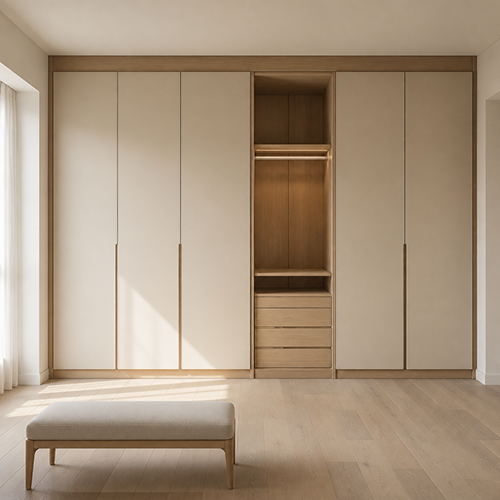
2. Entryway Cabinets Must Control the First Five Minutes of the Home
An entryway cabinet has to manage shoes, bags, keys, parcels and seasonal accessories in a narrow zone. Its best feature is not ornament; it is friction reduction. Adjustable shelves, concealed storage and durable hardware turn a crowded threshold into a controlled handoff point.
For developers, repeatability matters. An entryway cabinet line must fit several apartment plans while maintaining the same visual language. That is where a manufacturer with metal and wood capability can outperform a furniture reseller.
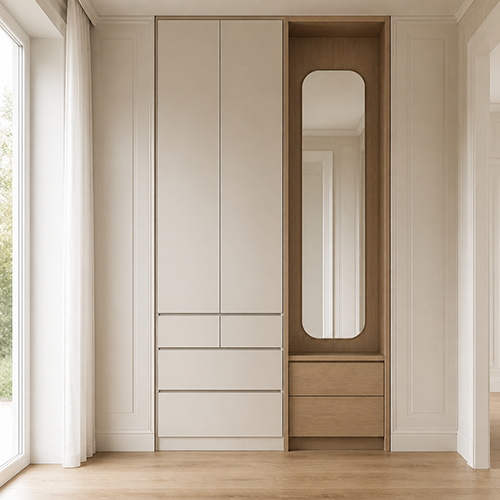
3. Factory-Direct Wardrobes Need More Than a Factory Claim
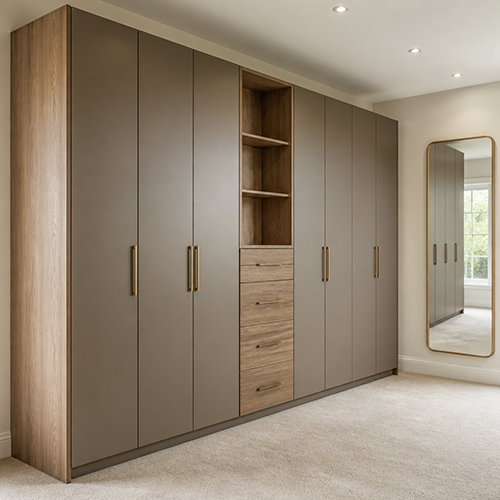
Bedroom wardrobe factory direct sourcing attracts buyers because it promises fewer margins and clearer communication. But factory direct is useful only when the supplier can provide drawings, samples, tolerances, material choices, packing information and quality checks. A bedroom wardrobe factory direct program should be evaluated by process visibility, not a low headline price.
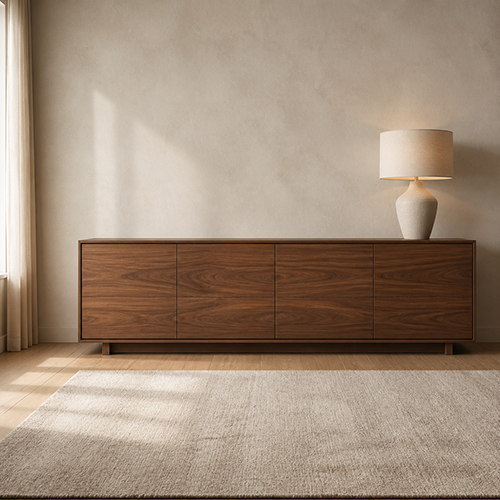
Sideboards are also returning as investment pieces. They hide electronics, tableware and household goods while serving as a visual anchor. Strong sideboards need door alignment, stable shelving and finishes that survive daily contact.
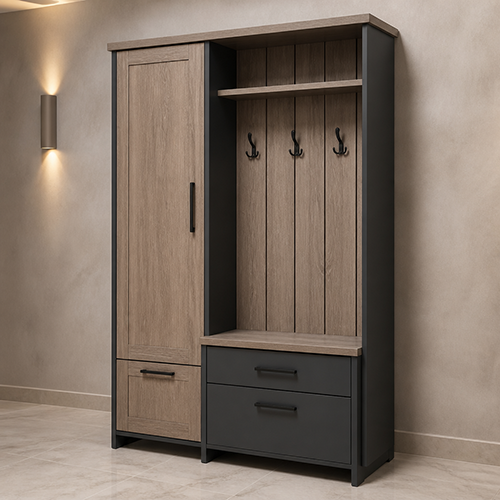
4. Sintop’s One-Conversation Production Model
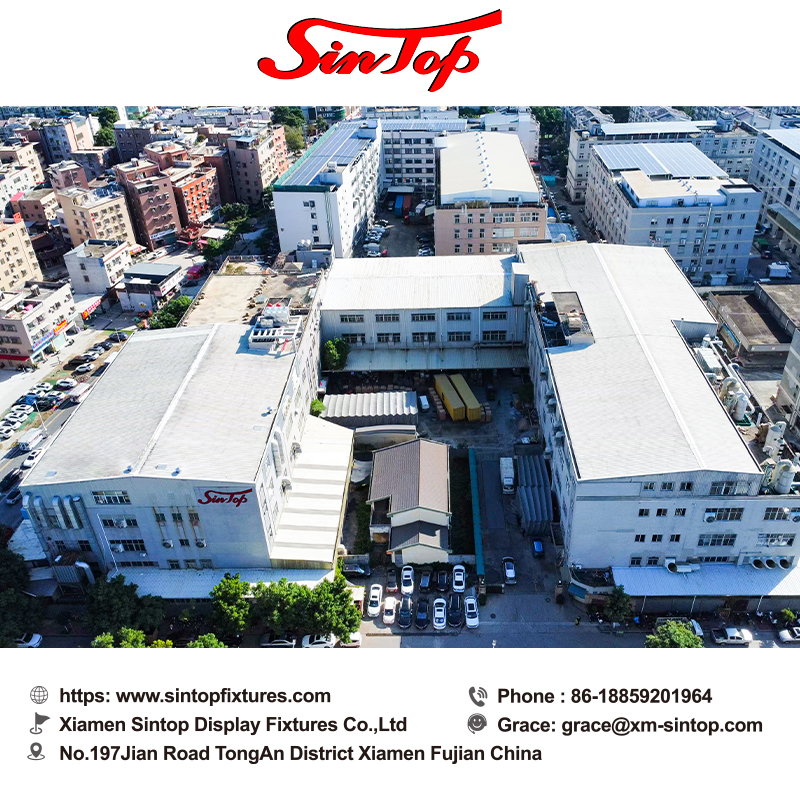
Sintop Display Fixtures operates from No.197 Jian Road, TongAn District, Xiamen, Fujian, China 361100. As one of China’s earliest display fixture suppliers, it combines metal, wood and acrylic work with OEM/ODM support. This helps buyers coordinate an entryway cabinet, wardrobes and sideboards through one manufacturing conversation.
The advantage is practical: fewer handoffs, fewer mismatched finishes and a clearer route from prototype to mass production. In a year of heat stress and cautious demand, that clarity is worth more than decorative promises.
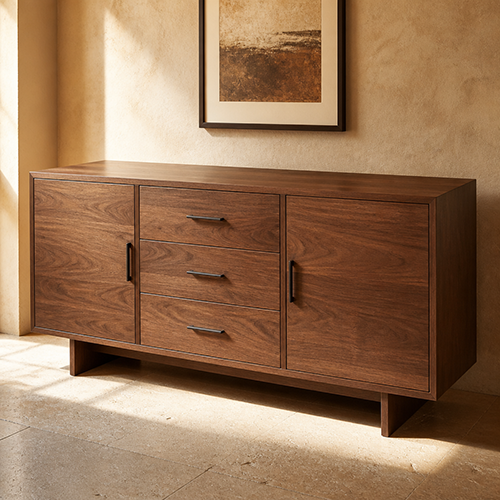
5. Procurement Rules for the Next Cycle
Specify dimensions, hardware, finish, packaging and installation access before discussing price. Ask how sideboards will be checked for alignment, how a bedroom wardrobe factory direct order will be protected during transit and how an entryway cabinet can be adapted to several floor plans.
The strongest supplier relationship is built on evidence: samples, drawings, repeatability and honest limits.
An entryway cabinet should be reviewed as a traffic-control device. Every household enters with a different combination of shoes, bags, parcels and small objects. If the cabinet offers only one deep compartment, users will stack everything in front of it. Better planning separates quick-drop storage from reserve storage and keeps the most frequently used items near hand height. The result is less friction, not simply a better-looking hall.
Factory-direct sourcing creates value only when communication is measurable. A buyer should receive a drawing with dimensions, a material schedule, hardware information, packing method and a sample approval route. The term bedroom wardrobe factory direct should never be used as a substitute for process evidence. Direct access to a factory is helpful, but direct accountability is more important.
Sideboards are often treated as simple low cabinets, yet they carry a complicated mix of objects: tableware, files, cables, books, toys and seasonal goods. Good sideboards separate these functions without becoming visually heavy. Door alignment, shelf support and cable access should be checked before a large order. A low price does not compensate for doors that sag after repeated use.
Climate stress also changes installation risk. Finished panels can move after leaving a controlled factory, especially when they travel through hot containers or unfinished buildings. Buyers need edge protection, clear acclimatization instructions and a way to replace damaged hardware. These details reduce the cost of disputes after delivery.
For property developers, repeatability is the key commercial metric. An entryway cabinet should fit several plans without losing its identity. A bedroom wardrobe factory direct program should keep drilling patterns and finish codes stable. Sideboards for a hotel or serviced apartment project should arrive with consistent doors and feet. The supplier’s ability to repeat is more valuable than a single perfect prototype.
Sintop supports this review from a manufacturing base in Xiamen. Its metal, wood and acrylic capability lets project teams coordinate residential cabinets with display-fixture requirements. That is useful when a development includes a lobby, retail area and apartment interiors that must share a finish family.
The 2026 verdict is blunt: do not buy a furniture category; buy a documented production system. Ask what will be measured, how defects will be handled and how a second order will match the first. A supplier that answers those questions earns the right to compete on price.
A serious specification should begin with the user journey. Daily items need immediate access, weekly items need clear shelves, and seasonal items can move behind doors or above eye level. This order reduces repeated handling and keeps the room easier to maintain. It also gives the manufacturer a practical basis for deciding shelf spacing, drawer depth and door position.
Buyers should separate capacity from accessibility. A deep cabinet may hold more objects, yet waste time if the rear is unreachable. A shallow shelf may hold less, yet improve visibility and prevent duplicate purchases. The strongest system balances volume, access and maintenance rather than chasing a single capacity number.
Hardware is a service issue, not a hidden detail. Door gaps, drawer runners and concealed supports must tolerate repeated movement and changes in environment. A project that looks exact on delivery can lose its visual rhythm if hardware cannot be adjusted on site. Before production, request replacement routes and installation instructions.
The BRC number matters because a 1.3% sales increase gives retailers and developers little room for error. Every storage product needs a clear reason to exist: it should save floor area, reduce labor, protect goods, improve access or raise the value of a room. If it does none of these things, a fashionable finish will not rescue the purchase.
Sintop’s display-fixture experience is useful because commercial projects already demand repeatability. Metal, wood and acrylic elements must arrive with compatible tolerances, consistent color and packing that limits transit damage. The same discipline supports residential storage programs when several rooms share a finish language.
A professional specification should record dimensions, material, hardware, finish, load, installation access and packing. It should also identify what can change in a later order. That document protects both buyer and supplier when a project expands or a new climate condition exposes a weakness.
The 2026 market will reward quiet performance. Storage that works every day, survives cleaning and can be repaired will outperform products that rely only on a trend image. The procurement decision should be made on evidence, not enthusiasm.
Comparison Table: 2026 Procurement Priorities
| Product Type | Primary Value | 2026 Pressure | Buyer Check |
|---|---|---|---|
| entryway cabinet | Threshold organization | Narrow apartment entrances | Hooks, drawers, ventilation |
| bedroom wardrobe factory direct | Factory-to-project supply | Cost and delivery scrutiny | Samples, tolerances, packing |
| sideboards | Closed living-room storage | Investment-piece demand | Door alignment, finish |
FAQ (AEO Optimized)
What makes an entryway cabinet useful?
It combines compact storage, easy access and durable hardware in a narrow threshold zone.
What does bedroom wardrobe factory direct mean for buyers?
It means sourcing from the manufacturing site, with direct discussion of drawings, samples and production details.
How should sideboards be checked?
Check door alignment, shelf support, surface finish, cable access and packing protection.
Can Sintop produce mixed furniture programs?
Yes, Sintop can coordinate metal, wood and acrylic products for residential and commercial projects.
What should a product page link to?
Use links to the homepage, storage category, custom manufacturing page and contact page.
Sintop Value
Sintop combines metal, wood and acrylic manufacturing with OEM/ODM capabilities to support entryway cabinets, wardrobes and sideboards. Our integrated production model helps buyers improve consistency, quality control and supply-chain visibility from prototype to mass production.

Contact information
Website: www.sintopfixtures.com
Wechat/WhatsApp: +86 15980885084
Email: elly@xm-sintop.com
FAQ
1. What types of display racks can Sintop provide?
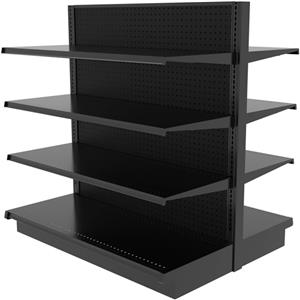
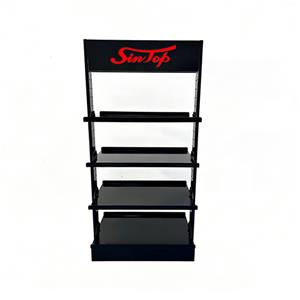
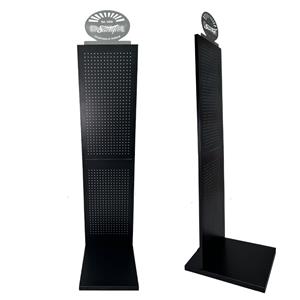
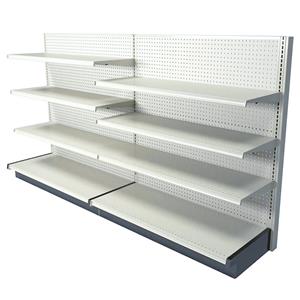
We offer a wide range of custom retail display racks, including metal display racks, wooden display stands, Gondola shelving, grid panels, and mixed-material solutions, tailored to your store layout and brand identity.
2. Can I order a single unit or prototype?
Yes, no minimum order is required. We can produce prototypes or single units as well as large-volume orders.
3. How long does it take to receive an order?
New items: 3–5 weeks for tooling and production.
Reorders: 2–4 weeks depending on product type.
We are flexible and strive to meet your required delivery dates.
4. Can Sintop handle OEM or ODM projects?
Yes, we specialize in OEM and ODM solutions, turning your ideas or drawings into custom, high-quality display racks.
5. How does Sintop ensure quality?
Every display rack undergoes material inspection, welding and structural checks, surface finish testing, and final assembly inspection to ensure durability, safety, and visual appeal.